
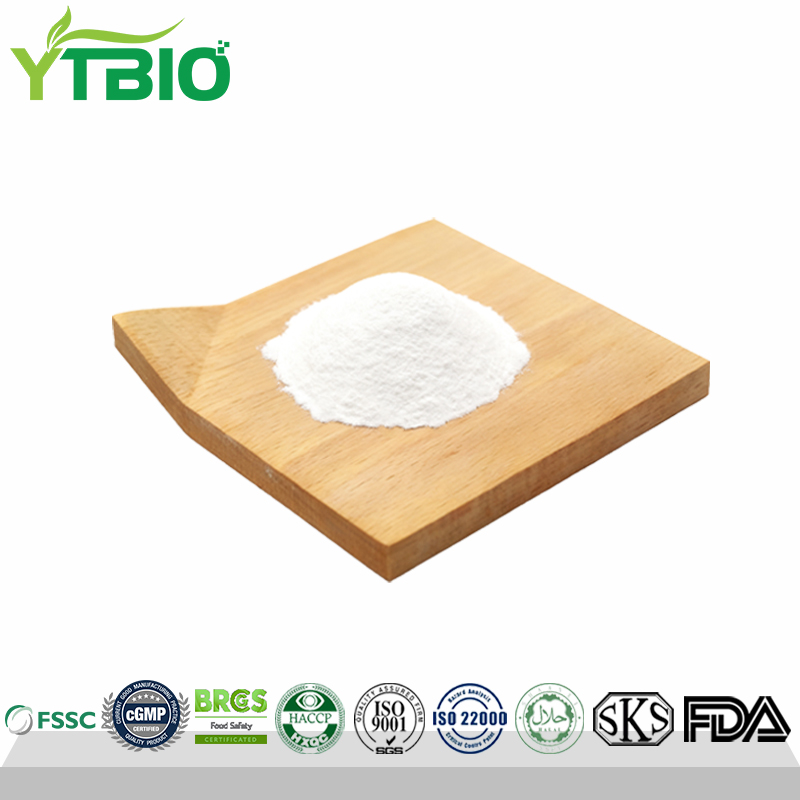
99% Malic Acid Powder
Do you know about malic acid?
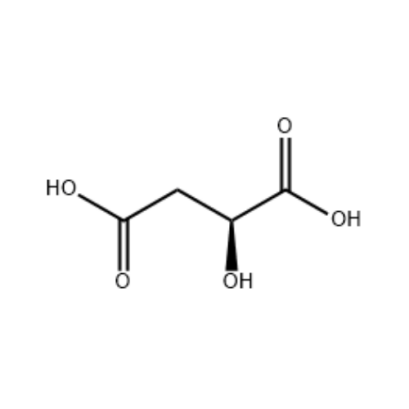
Malic acid is a natural organic compound with the chemical name 2-hydroxysuccinic acid (C₄H₆O₅). It was first discovered in apple juice and named after the Latin word for "apple" (mālum). Naturally occurring malic acid is primarily in the L-configuration and is widely found in the juices of unripe fruits such as apples, grapes, and hawthorns. It is also an intermediate product of the tricarboxylic acid cycle in the human body, participating in energy metabolism. As an alpha-hydroxy acid (AHA), malic acid is often used in skincare products due to its relatively mild properties to improve dry skin, wrinkles, and acne. In addition, it is used as a food additive to enhance sourness and as a dietary supplement, and is believed to potentially help alleviate symptoms such as fibromyalgia and fatigue.
Sources and Distribution
Natural Sources: Widely found in various fruits such as apples, grapes, cherries, pears, and oranges, as well as vegetables such as rhubarb, celery, and carrots, and the seeds and roots of some plants. Its content is relatively high in unripe apples.
Artificial Synthesis: L-malic acid can be produced through chemical synthesis or bio-fermentation. Chemical synthesis uses petroleum-based chemicals as raw materials, producing a mixture of DL-malic acid through high-temperature, high-pressure reactions. Bio-fermentation utilizes genetically engineered microorganisms (such as E. coli, yeast, and filamentous fungi) to efficiently synthesize L-malic acid from sugars such as glucose.
The Value of Malic Acid
Malic acid is not only widely present in nature and the human body as an important metabolic intermediate, but it is also widely used in food, medicine, cosmetics, and other fields due to its diverse effects.
Main Functions
Malic acid excels in skincare. As a mild alpha-hydroxy acid, it promotes skin metabolism and keratin renewal, helping to improve rough and dull skin texture, thus brightening the complexion. Simultaneously, it stimulates the production of collagen and elastin, helping to improve skin elasticity, reduce fine lines, and achieve firming and anti-wrinkle effects. Furthermore, malic acid possesses anti-inflammatory and soothing properties, helping to relieve skin discomfort, and its excellent moisturizing properties replenish skin moisture, keeping it hydrated.
Main Applications
Cosmetics Industry: It is a common functional ingredient in skincare products, playing multiple roles such as exfoliation, moisturizing, and anti-oxidation. It is often used to improve uneven skin tone, wrinkles, and acne, and can help regulate the pH of products to suit the skin.
Food Industry: As a highly effective and naturally flavorful acidity regulator, it is widely used in juices, beverages, candies, jams, and other products. It not only imparts a refreshing sour taste but also inhibits enzymatic browning, improving flavor profiles and shelf life.
In the pharmaceutical field: its salts (such as sodium and potassium L-malate) can be used as an adjunct treatment for liver dysfunction and hypertension; in pharmaceutical preparations, it can be used as a pH adjuster and absorption enhancer.
In other industrial fields: it is also used in dyeing and printing auxiliaries, industrial cleaning agents, feed additives, and as a raw material for the synthesis of certain specialty chemicals.
It is important to note that when used in cosmetics, the concentration and frequency of malic acid application must be carefully controlled to avoid potential skin irritation from high concentrations.

Safety Analysis
Natural Malic Acid in Food:
Widely found in fruits, it is safe for daily consumption.
As an Additive or Supplement:
Possible Side Effects: Excessive intake may irritate the mouth, throat, or stomach, causing stomach upset, diarrhea, nausea, headache, or allergic reactions.
Special Populations: Not recommended for pregnant women, breastfeeding women, and those prone to low blood pressure (as it may lower blood pressure) to take as a supplement.
Topical Application (Skin Care Products): May cause skin or eye irritation. Discontinue use immediately if adverse reactions occur.
What is the difference between L-malic Acid and DL-malic Acid?
L-Malic Acid: The naturally occurring form, an active ingredient in biological metabolism.
DL-Malic Acid: A synthetic mixture of L- and D-forms, usually produced by chemical methods.
Other Key Information
Vegetarian Friendly: Yes, its source is non-animal.
Solubility: Easily soluble in water. Important Note: When using powdered supplements, always dissolve them in liquid first. Avoid contact with skin, eyes, or inhalation of the dry powder to prevent irritation or damage.
Supplement Use: There is currently no standard dosage. Common supplement forms include malic acid powder and magnesium malate (studies have shown it may be helpful for fibromyalgia). Always consult a healthcare provider before use. Oral sprays containing 1% malic acid have been used in studies addressing dry mouth symptoms.
