
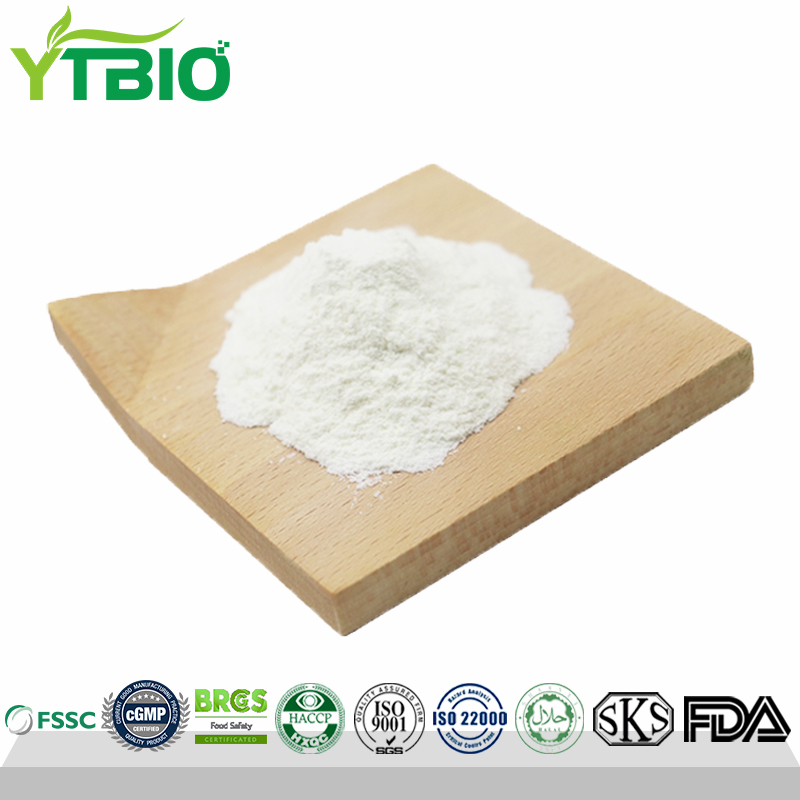
Supply Silk Protein Powder
Silk protein: A Multifunctional Biomaterial
Silk protein is the main functional component extracted from natural silk, composed of fibroin and sericin. This natural protein material exhibits excellent biocompatibility, safety, non-toxicity, and low immunogenicity, while also displaying superior mechanical properties, light transmittance, and biodegradability. Its unique physicochemical properties allow it to be processed into various forms such as films, gels, and fibers through different processing techniques to meet diverse application needs. Currently, silk protein is widely used in the biopharmaceutical field, the cosmetics industry, and cutting-edge technology fields, demonstrating enormous development potential and market value.
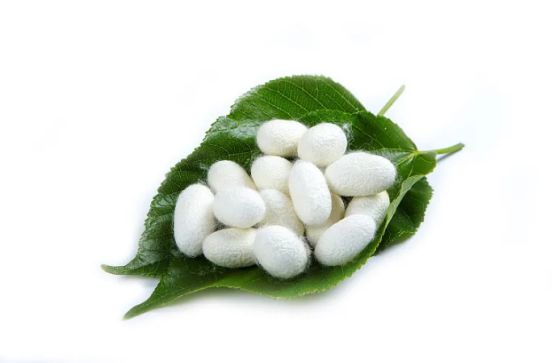
Main Components
Fibroin: Comprising approximately 70%-80% of silk, it is the core component of silk, composed of 18 amino acids including glycine, alanine, and serine. It has a semi-crystalline structure, with molecular chains exhibiting a β-sheet layered structure, giving silk high strength and toughness.
Sericin: It accounts for about 20%-30% of silk and is wrapped around the outer layer of fibroin. It is a water-soluble globular protein containing a lot of polar amino acids. It has adhesive properties and plays a role in protecting and binding fibroin.
Amino Acids: It consists of 18 amino acids, with glycine, alanine, serine, and tyrosine accounting for over 90% (glycine is approximately 45% and alanine approximately 30% in fibroin). This composition contributes to its good biocompatibility and low immunogenicity.
Silk Protein: Characteristics and Efficacy
As a natural biomaterial, silk protein's unique physicochemical properties lay the foundation for its wide range of applications. At the molecular level, its multi-level structure is significant, encompassing various conformations such as random coils, β-sheets, and α-helices. The β-sheet structure, through a dense network of hydrogen bonds, forms tight sheets, endowing the material with excellent strength and stability. The molecular weight of silk protein is typically between 300-400 kDa, assembled from heavy chains, light chains, and the glycoprotein P25, forming its stable physicochemical basis.
In terms of performance, silk protein exhibits excellent biocompatibility and controllable degradation. It is not only non-toxic and non-allergenic, but also effectively supports cell adhesion and tissue regeneration, and its degradation rate can be controlled according to actual needs. Its mechanical properties and stability are equally outstanding, with a tensile strength of approximately 3.3 × 10⁻² N/denier and a thermal decomposition temperature of approximately 150℃. It also possesses strong hygroscopic capacity, with an equilibrium moisture regain of up to 11% under standard conditions. Furthermore, the helical structure of silk fibroin molecules is rich in hydrophilic groups, which can effectively adsorb and lock in moisture, forming a moisturizing film on the skin surface and significantly improving skin hydration and comfort.
Core Efficacy
1. Moisturizing and Barrier Repair
Silk fibroin is rich in hydrophilic amino acids, which can effectively adsorb and lock in a large amount of moisture, forming a breathable moisturizing film on the skin surface and significantly reducing transepidermal water loss. Its small molecule peptides can penetrate into the stratum corneum, enhancing the skin's own moisturizing ability and maintaining a stable hydration environment for the epidermis.
2. Whitening and Skin Tone Regulation
By competitively inhibiting the activity of tyrosinase, silk fibroin can intervene in the melanin synthesis pathway, reducing pigmentation. At the same time, it promotes the normal renewal of aging keratinocytes, accelerating the metabolism and shedding of existing pigments, thereby achieving overall skin brightening and fading of dark spots.
3. Cell Activation and Tissue Repair
Silk fibroin can provide a good environment for cell adhesion and proliferation, directly stimulating fibroblasts to synthesize extracellular matrix components such as collagen and elastin fibers, enhancing skin elasticity. It can also accelerate the migration and regeneration of epithelial cells, effectively repairing damaged tissue.
4. Soothing and Anti-inflammatory Effects
Silk protein has the ability to maintain the skin's slightly acidic environment. By regulating the activity of immune-related cells and reducing the release of inflammatory mediators, it can alleviate discomfort such as redness and burning caused by external stimuli, thus improving skin tolerance.

5. Hair Repair and Protection Functions
With its excellent permeability and film-forming properties, silk protein can fill the gaps between damaged hair cuticles, improving the voided structure caused by protein loss, thereby repairing split ends and improving hair strength and elasticity. Simultaneously, the protective film it forms on the hair surface effectively blocks ultraviolet rays and chemical damage.
6. Metabolic Regulation and Biocompatibility
Studies show that silk protein peptides have a certain inhibitory effect on digestive enzymes such as α-glucosidase, which may affect the metabolic rate of nutrients. Its degradation products in vivo are amino acids, which do not accumulate toxicly and do not trigger significant immune rejection reactions.
Silk Protein: Multiple Applications
As a high-performance natural biopolymer, silk protein has demonstrated broad application value in several cutting-edge fields due to its unique biocompatibility, biodegradability, and excellent mechanical properties.
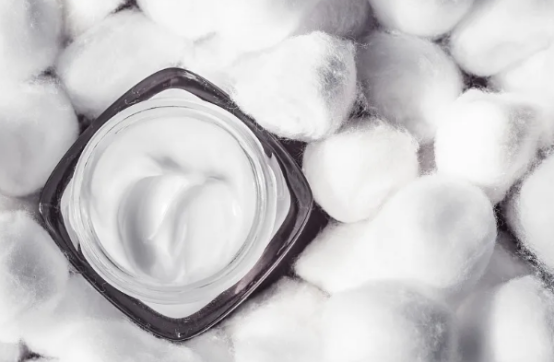
In the cosmetics and medical aesthetics fields, silk protein, with its excellent moisturizing properties and skin affinity, has become a core ingredient in high-end masks and serums, effectively improving dry skin, fine lines, and pigmentation. It is also frequently used in post-operative care after minimally invasive surgery to help restore skin barrier function.
In the biomedical field, it is used to create tissue engineering materials such as absorbable surgical sutures, artificial skin, and bone repair scaffolds, effectively promoting cell proliferation and tissue regeneration. It also serves as a drug carrier, enabling precise and controlled release therapy.
In flexible electronics and sensing, silk protein substrates are used to develop implantable biosensors, flexible electrodes, and smart response devices. It exhibits high sensitivity and stability in humidity, mechanical, and biosignal monitoring, providing new development directions for wearable medical devices.
In the textile and materials sector, besides traditional high-end silk products, silk protein is also used to develop green and biodegradable packaging materials, functional coatings, and composite fibers, driving the materials industry towards environmental protection and high-value transformation.
As a functional ingredient, silk protein is also receiving increasing attention in health foods and special medical foods, and its potential in metabolic regulation and nutritional support is being continuously explored.
