
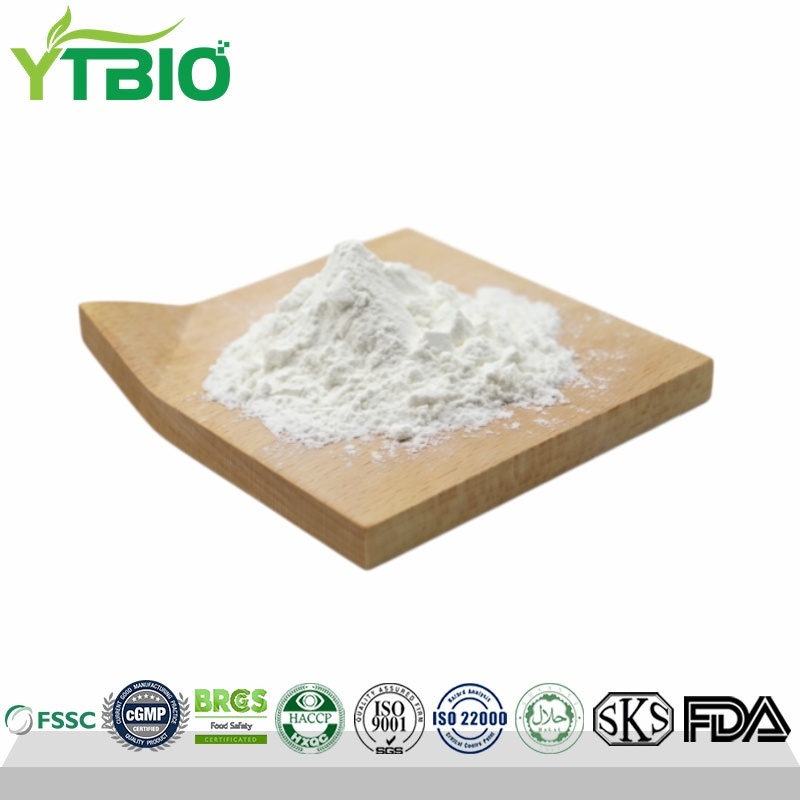
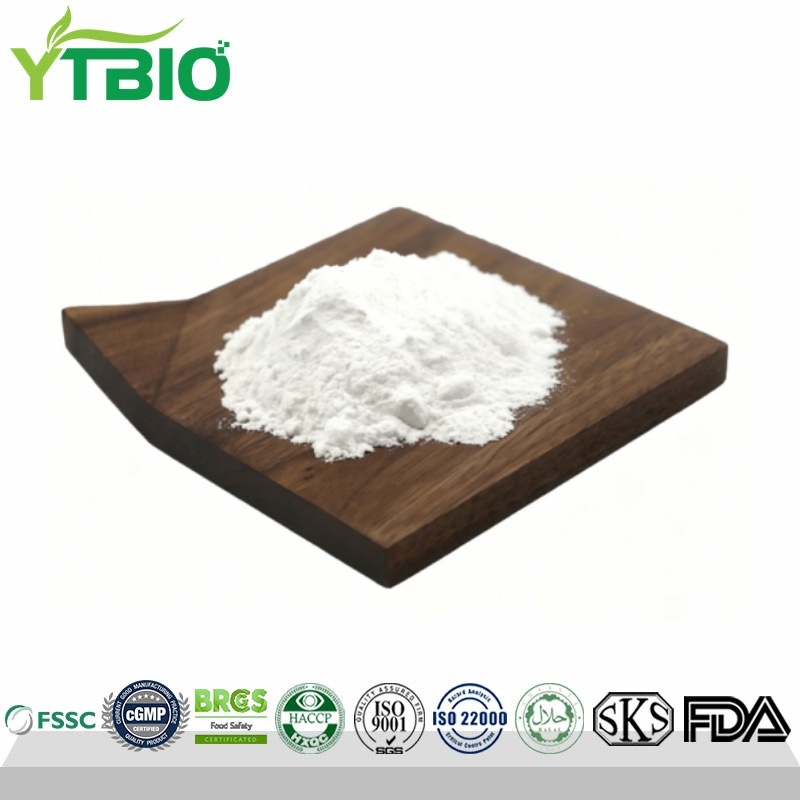
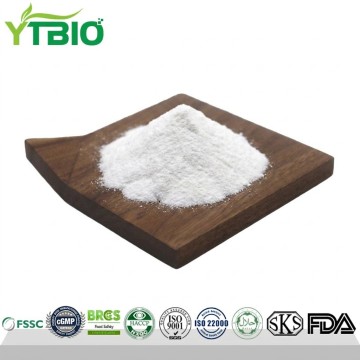
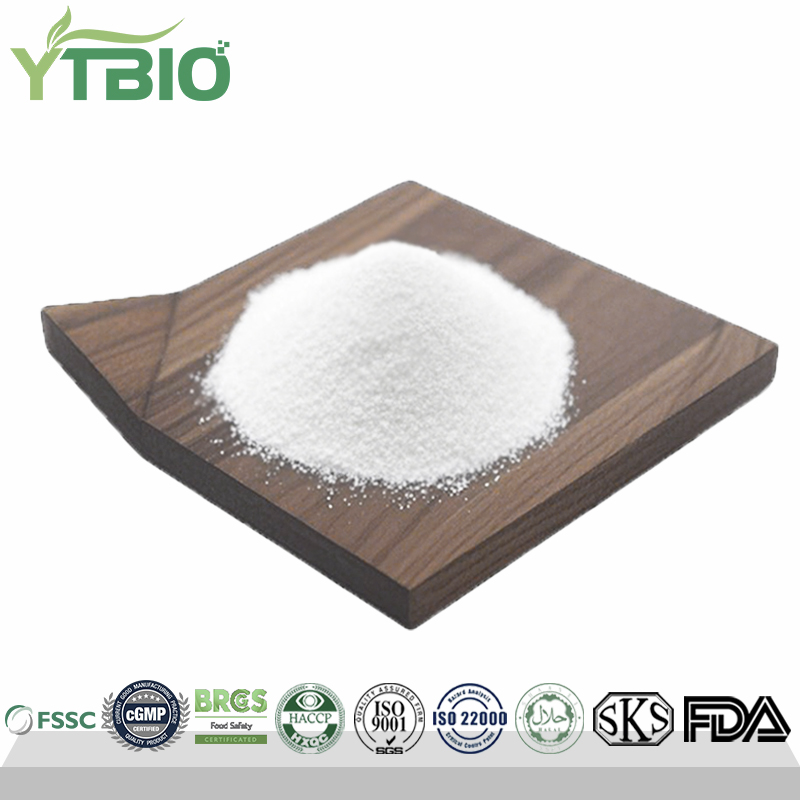
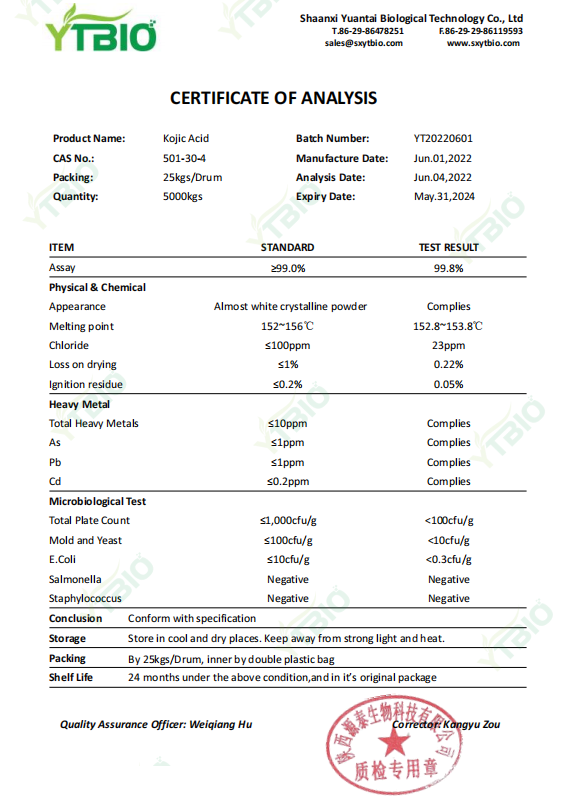
98% Kojic Acid Powder CAS 501-30-4
Kojic Acid: Whitening and Spot-Reducing
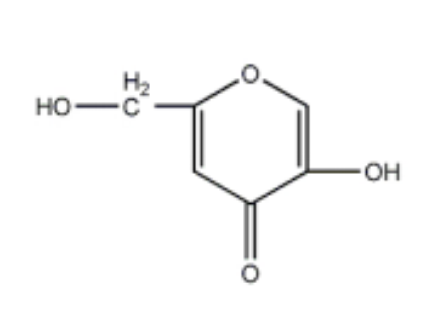
Kojic acid is a natural ingredient commonly used in whitening skincare products. It is derived from the metabolites of various fungi and is also a byproduct of some food fermentation processes, such as in the brewing of sake, soy sauce, and rice wine. Kojic acid also has antiseptic properties and is often used in food preservation. Its chemical name is 5-hydroxy-2-hydroxymethyl-4-pyrone, and it is primarily produced by Aspergillus fungi (including Aspergillus oryzae and Aspergillus flavus) under aerobic fermentation conditions. Since its first extraction from rice koji in the early 20th century (1907), kojic acid, due to its unique molecular structure and diverse functions, has attracted extensive attention and research in various fields, including the food industry, cosmetics research and development, pharmaceutical manufacturing, and agricultural production.
Whitening Mechanism
Kojic acid effectively inhibits tyrosinase activity. Its mechanism of action is primarily through a chelation reaction with the copper ion contained in the active center of tyrosinase, causing a change in the enzyme's spatial conformation, thereby blocking the biosynthesis of melanin. Significant whitening effects are observed even at relatively low concentrations (0.5%–1%), so its common addition concentration in cosmetics is typically between 0.5% and 2%.
YTBIO: Providing High-Quality Kojic acid and Services
Kojic Acid: Key Skincare Benefits
Whitening and Spot Lightening
Kojic acid is widely used in skincare applications. Its core mechanism is to inhibit tyrosinase activity, effectively blocking the melanin production pathway. Experimental studies have shown that even a small amount of kojic acid (e.g., 20 μg/ml) can inhibit tyrosinase activity from various sources by 70%–80%. Therefore, it is often added to skincare products at a concentration of 0.5%–2% to improve dark spots and freckles, and overall brighten the complexion. It is widely used in various formulations, including face masks, serums, and lotions.
Antioxidant and Anti-Aging Benefits
Kojic acid has excellent free radical scavenging properties, helping the skin resist oxidative stress and slowing the formation of skin sagging and fine lines caused by photoaging, thereby maintaining skin elasticity and a youthful appearance. It also has a certain astringent effect, helping to improve skin firmness.
Antibacterial and Anti-inflammatory Benefits
Kojic acid has inhibitory effects on some bacteria and fungi, helping to alleviate skin problems caused by microorganisms, such as acne and inflammation. In addition, studies have shown that it can exert a certain soothing and anti-allergic effect by inhibiting the activity of hyaluronidase.

Kojic Acid: Other Applications
1. Food Processing
In the food industry, kojic acid is used as a natural preservative, effectively inhibiting bacterial and yeast growth, thereby extending the shelf life of fresh-cut fruits and vegetables, flowers, and various processed foods. It also possesses excellent antioxidant properties and can be used to protect the color of meat and seafood, partially replacing nitrites and reducing potential health risks. Kojic acid is also an important raw material for the synthesis of flavor enhancers such as maltol, improving and enhancing the aroma and taste of food.
2. Pharmaceuticals
Kojic acid and its derivatives exhibit certain antibacterial and anti-inflammatory properties and can be used as adjunctive treatments for skin infections and inflammation. Some derivatives also show potential in the treatment of lung diseases, but dosage should be strictly controlled under professional guidance.
3. Agricultural Applications
In agriculture, kojic acid is used in the preparation of environmentally friendly insecticides, effectively reducing chemical pesticide residues by interfering with insect growth and development and inducing sterility. It can also be used as a component of foliar fertilizers or compound fertilizers to promote crop growth and increase grain and vegetable yields.
