

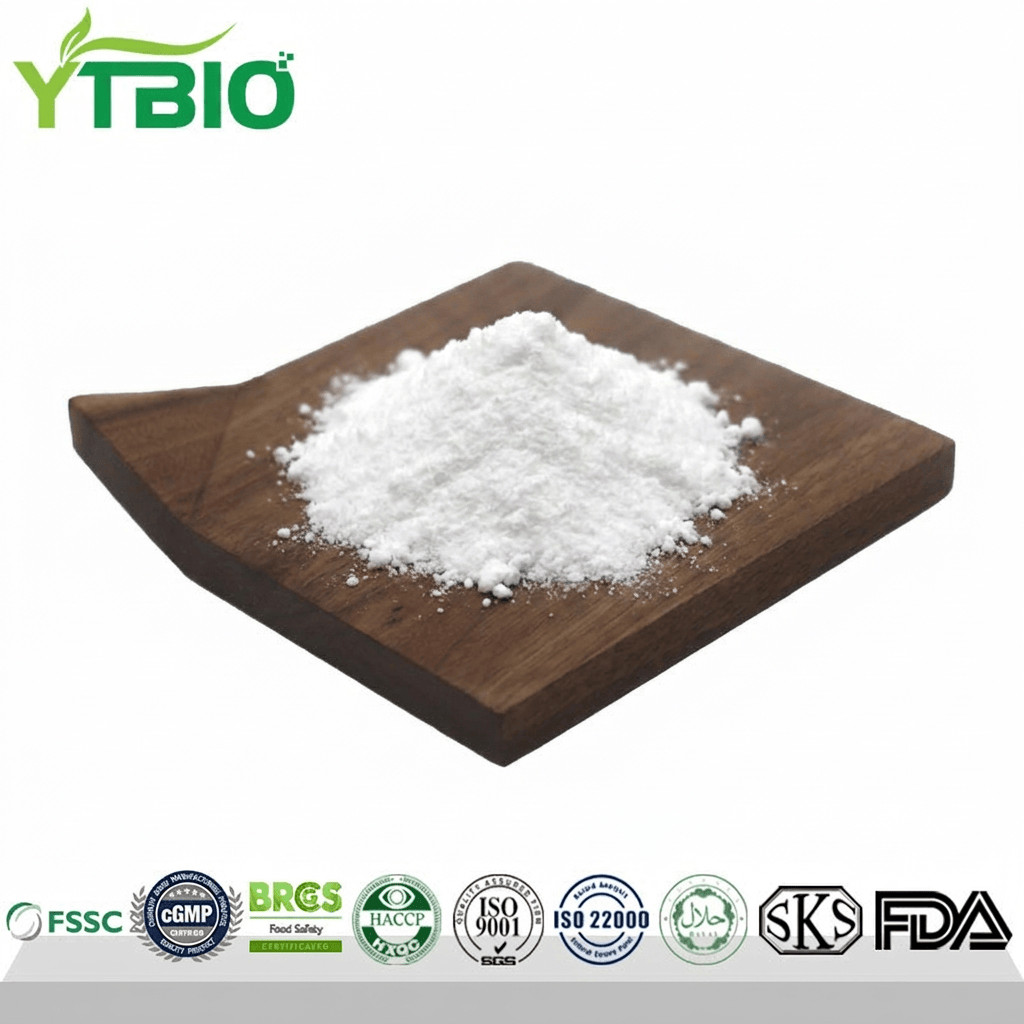
High Activity Lipase Enzyme Powder Food Grade CAS 9001-62-1
Lipase: Product Introduction
Lipases belong to the class of carboxylester hydrolases; specifically, they are triacylglycerol acylhydrolases capable of catalyzing the breakdown of triglycerides into diglycerides, monoglycerides, glycerol, and fatty acids. As a specialized category of ester-bond hydrolases, they are found in the tissues of animals, plants, and microorganisms (such as molds and bacteria) that contain fats. Composed of amino acids as their fundamental structural units, lipases typically consist of a single polypeptide chain, with their catalytic activity determined solely by their protein structure. They are widely utilized across various industries, including oil and fat processing, food manufacturing, pharmaceuticals, and daily chemical products. As a professional supplier of biological raw materials, YTBIO specializes in a premium series of lipase products derived from microbial sources. Our products feature high enzymatic activity, exceptional catalytic efficiency, and stable performance, allowing for flexible application across a diverse range of fields. All our products have obtained numerous authoritative international certifications and fully comply with global import and export standards. We offer a wide selection of product specifications, ensure a stable supply chain, and provide expert technical guidance on applications to serve buyers worldwide.
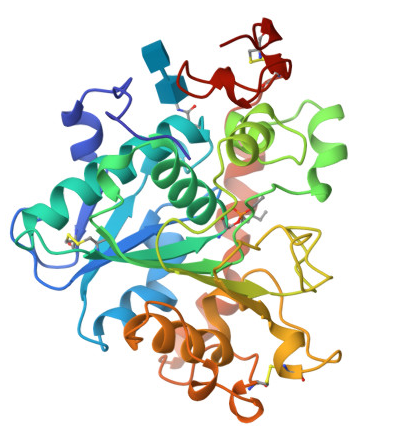
Lipases are widely distributed among microorganisms, with molds and bacteria serving as their primary producers. To date, 33 distinct lipases from various sources—18 derived from molds and 7 from bacteria—have been reported as suitable for the processing of triglycerides.
Based on their substrate specificity, lipases can be classified into three categories: fatty acid-specific, positional-specific, and stereospecific. Furthermore, depending on their origin, lipases can be categorized as animal, plant, or microbial lipases. While lipases from different sources may catalyze the same reaction, their reaction rates, specificities, and other characteristics often differ when subjected to identical reaction conditions.
Enzymes are biologically active proteins; consequently, any factor that influences protein activity will likewise affect enzymatic activity. The catalytic activity of an enzyme—specifically its interaction with a substrate—is influenced by a multitude of factors, including temperature, pH, enzyme concentration, substrate concentration, and the presence of enzyme activators or inhibitors.
Distinguishing Lipases from Other Enzymes
Unlike conventional enzymes, lipases function exclusively within heterogeneous systems—specifically, at the oil (or lipid)–water interface. They exhibit little to no activity toward homogeneously dispersed or water-soluble substrates; even if a reaction does occur, it proceeds at an extremely slow pace. Thus, lipases may be aptly described as enzymes specialized in hydrolyzing esters within heterogeneous or water-insoluble systems, acting specifically at the interface between the oil (or lipid) phase and the aqueous phase.
Mechanism of Action and Regulation of Lipases
Lipases catalyze reactions through a unique mechanism operating at the water-oil interface. The enzyme's active site contains a catalytic triad comprising serine, histidine, and aspartate residues, which act in concert to cleave ester bonds. This process involves:
- Formation of an acyl-enzyme intermediate
- Release of the alcohol product
- Hydrolysis of the intermediate
- Release of the fatty acid product
Benefits of Lipase
Under specific conditions, lipase can catalyze the esterification reaction between fatty acids and glycerol, thereby converting a significant portion of the free fatty acids present in oils into neutral glycerides. This process simultaneously lowers the acid value and increases the content of neutral glycerides, thereby achieving the biological refining and deacidification of fats and oils. Furthermore, lipase finds applications in areas such as the enrichment of polyunsaturated fatty acids and the synthesis of phospholipids. Currently, within the fats and oils hydrolysis industry, lipase has gradually replaced traditional catalysts as the preferred biocatalyst.
Lipase is capable of hydrolyzing triglycerides, phospholipids, and glycolipids. When lipase acts upon these lipid classes, it generates diglycerides, monoglycerides, or glycerol. In baking applications, this action serves to enhance dough strength, increase bread volume, and improve oven spring (the rapid expansion of bread upon entering the oven); additionally, it imparts a secondary whitening effect to the bread crumb.
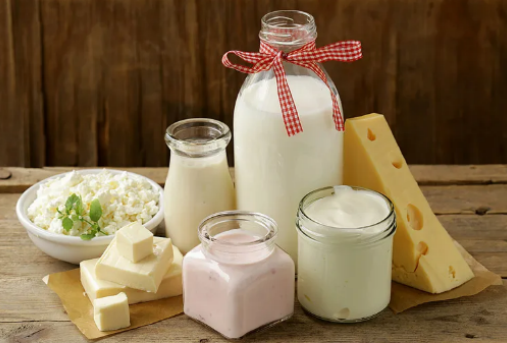
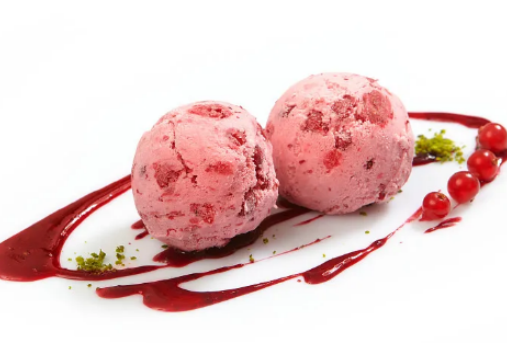
Lipase is also utilized in the processing of fats within the dairy industry. It catalyzes the hydrolysis of milk lipids in various dairy products—such as enhancing the flavor profiles of cheese and powdered milk, facilitating cheese ripening, producing dairy substitutes, and modifying the ester composition of cream and ice cream. By acting on milk fat to generate fatty acids, lipase can impart unique and distinctive flavors to dairy products. However, if used improperly, the lipase-mediated breakdown of milk fat can lead to the development of bitter off-flavors in fresh milk during storage, cause quality deterioration in powdered milk during preservation, and result in the formation of unpleasant flavors in cheese products.
 |
 |
 |
Application Areas Overview
|
Primary Application Field |
Full English Name |
Core Application Scenarios |
|
Food Industry |
Food Industry |
Dairy processing, pasta processing, alcoholic beverage brewing, tea flavor enhancement, oil and fat modification, flavor ester synthesis |
|
Daily Chemical and Personal Care Industry |
Daily Chemical and Personal Care Industry |
Cosmetic formula R&D, personal care product additives, functional ingredients in hair and body care products |
|
Detergent and Cleaning Industry |
Detergent and Cleaning Industry |
Industrial detergent formulations, household cleaning products, heavy oil stain cleaning agents |
|
Pulp and Paper Industry |
Pulp and Paper Industry |
Pulp deinking process, improvement of paper physical properties, pulping wastewater treatment |
What can YTBIO offer you when purchasing lipase powder?
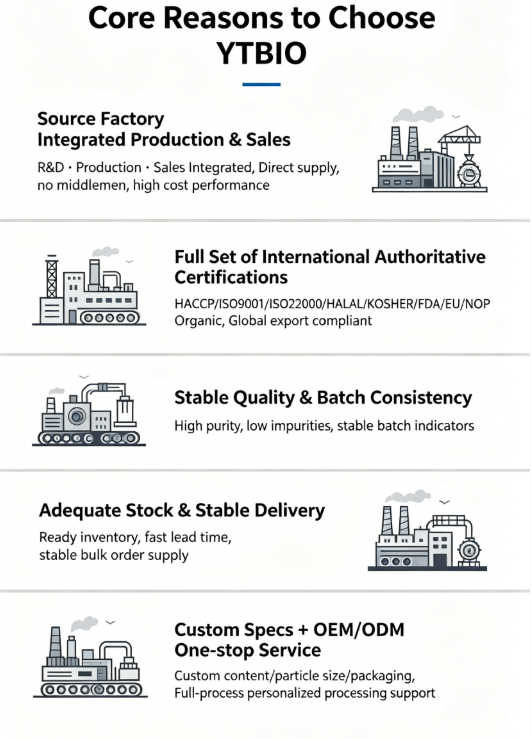
When sourcing lipase powder, YTBIO provides food-grade products available in various enzymatic activity specifications. We hold comprehensive certifications, and every batch is fully traceable. We offer support for sample requests, custom packaging, and international export logistics, ensuring a stable supply directly from our factory.
FAQ
Q: What are the standard packaging specifications? Do you support custom packaging?
A: Our standard packaging is 25kg per drum; we also support smaller packaging sizes (e.g., 1kg) and offer custom repackaging services.
Q: What is the current stock availability and lead time?
A: Our factory maintains ample stock at all times. Domestic orders are shipped promptly, while lead times for international orders are stable and reliable.
- Logistics and Support Services
Q: Do you offer worldwide shipping? What shipping methods are available?
A: We support both domestic and international shipping, offering a variety of logistics options including sea freight, air freight, and international express delivery.
Q: In addition to product supply, what other support services do you provide?
A: We offer formulation references and technical guidance regarding product application.
Why Choose YTBIO's lipase powder?
Email: sales@sxytbio.com
WhatsApp/phone: +86 17782577059
