CAS 83-46-5 Beta-Sitosterol Powder
What is Sitosterol?
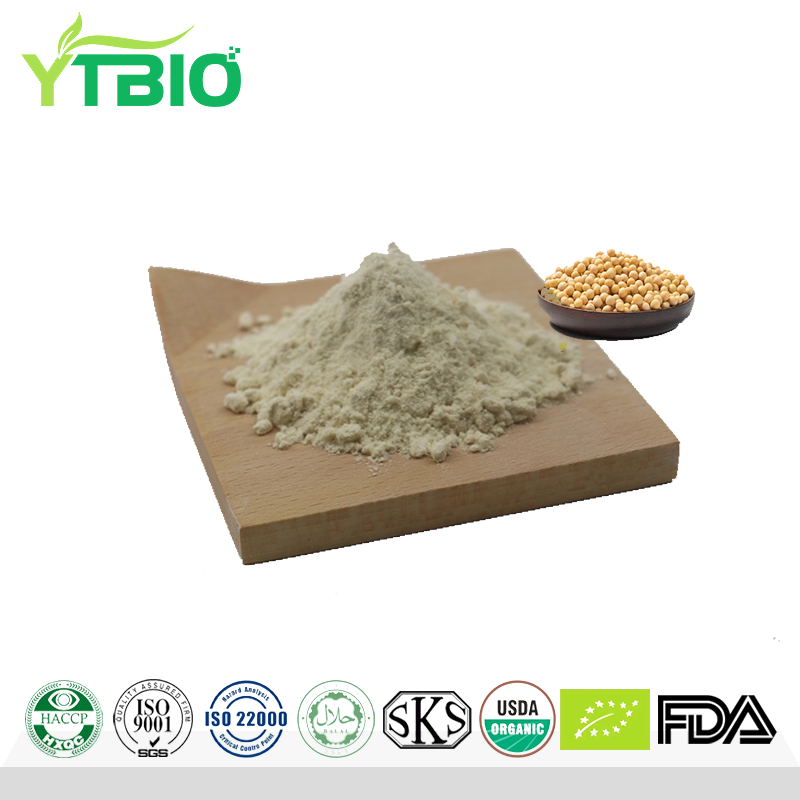
β-Sitosterol, a natural plant sterol, is widely found in various vegetable oils, nuts, and seeds. Its chemical structure is similar to that of human cholesterol, which enables it to effectively block intestinal cholesterol absorption through a competitive inhibition mechanism, thereby helping to regulate blood lipid levels and having positive effects on cardiovascular health.
Beyond its cholesterol-regulating effects, β-sitosterol has demonstrated multiple benefits in clinical applications. Existing research has shown that it has clear efficacy in improving prostate function and alleviating related symptoms. It also shows potential in assisting immune regulation and relieving joint and muscle discomfort.
Based on these properties, β-sitosterol has become an important ingredient in pharmaceuticals, functional foods, and health supplements, providing a natural solution for the prevention and treatment of a variety of health issues.
What are the benefits?
β-Sitosterol is a naturally occurring plant sterol with a chemical structure similar to cholesterol. This property allows it to compete with cholesterol for absorption in the intestines, effectively lowering LDL cholesterol levels and contributing to cardiovascular health. Experts recommend consuming at least 2 grams of plant sterols daily (available from foods like nuts and seeds, or supplements), combined with regular exercise, to promote healthy blood lipids.
β-Sitosterol demonstrates unique value in men's health. Studies have shown that it can significantly improve symptoms such as abnormal urination and frequent urination associated with benign prostatic hyperplasia (BPH). While its mechanism of action is not yet fully understood, available data suggests that it is effective in reducing prostate swelling and controlling inflammation.
β-Sitosterol also exhibits multiple physiological activities: it has significant anti-inflammatory properties that can help relieve joint and muscle pain; its antioxidant capacity helps maintain tissue health; and it has shown potential in modulating immune function. These properties make it a promising candidate for preventing immune-related conditions such as allergies and asthma.
It is noteworthy that β-sitosterol is non-irritating to the skin and has a good safety profile, which provides a basis for its application in promoting wound healing and improving skin health. As a multifunctional natural active ingredient, β-sitosterol is increasingly gaining attention in the fields of nutritional supplementation and health maintenance.
Extraction Process
Currently, the main methods for preparing yeast glucan both domestically and internationally include acid-base, enzymatic, and oxidative extraction.
1. Acid-Base Method
80 g of yeast cell walls were suspended in 1000 mL of 4% NaOH solution, incubated at 95°C for 1 hour, and centrifuged. The insoluble matter was suspended in 2000 mL of 3% NaOH solution, incubated at 75°C for 3 hours, and centrifuged. The insoluble matter was suspended in distilled water, the pH was adjusted to 4.5 with hydrochloric acid, and the mixture was incubated at 75°C for 1 hour. The mixture was centrifuged, washed, dehydrated, and dried to obtain yeast glucan. The choice of acid during the acid treatment significantly affects the glucan yield. Too weak an acidity will incompletely remove acid-soluble glycogen and β-1,6-glucan, while too strong an acidity will degrade alkali-insoluble glucan, reducing the yield. Therefore, using acetic acid to adjust the pH to 4.5 is optimal.
2. Enzymatic Method
The acid-base method is rapid and efficient, but while it can produce glucan products of high purity, it requires large amounts of acid and alkali, poses significant environmental risks, requires the use of organic solvents, and can damage the glucan molecules. To overcome these limitations, researchers domestically and internationally have adopted a gentler process for extracting yeast glucan. This involves adding 1.3 kg of yeast cell walls to 8.8 L of water, adjusting the pH to 7.0, and incubating at 125°C for 5 hours. Centrifugation is then performed, followed by washing twice. The insoluble matter is then brought to 10 L of water and treated with savinase (alkaline protease) for 5 hours. Centrifugation, washing, and drying are followed by washing with ethanol or acetone to yield glucan with a content exceeding 85%.
Application direction
Agriculture
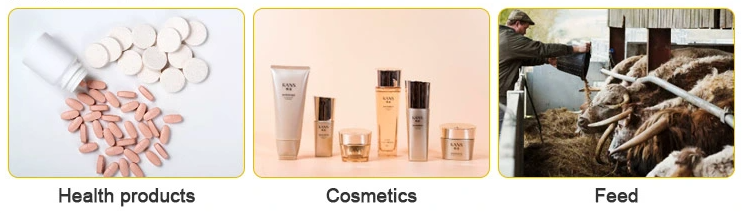
In agricultural production, sitosterol can be used as a plant growth regulator, effectively promoting crop growth and development while enhancing their resistance to disease and environmental stress. This ingredient has been successfully used in major crops such as rice, wheat, corn, and soybeans.
Food Industry
Sitosterol holds unique value in the food and nutritional supplement sectors. Research has shown that it can effectively help lower serum cholesterol levels, making it a key ingredient in the development of functional foods and offering new options for cardiovascular health product innovation.
Daily Chemical Industry
Sitosterol is highly sought after in cosmetics for its safety and mildness. This ingredient is non-irritating to the skin and exhibits significant anti-inflammatory properties. When used in combination with vitamins in skincare products, it provides excellent skin conditioning benefits, helping to maintain smoothness and moisture, and improve keratinization. It is also a valuable additive in hair care products.