


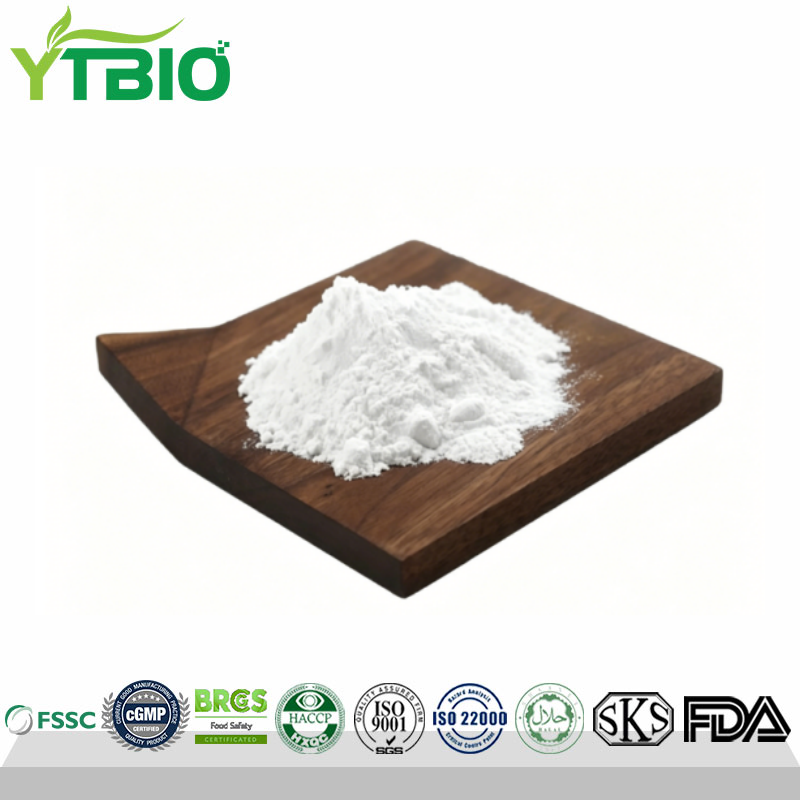
Premium Hydroxyapatite Powder for Dental CAS 1306-06-5
L-Arginine Hydrochloride : Product Introduction
Hydroxyapatite is the primary inorganic constituent of human and animal bones, accounting for approximately 65% of the dry weight of adult bone shafts and 96% to 97% of the total weight of dental enamel. It is capable of forming chemical bonds with bone tissue and possesses a certain degree of solubility, allowing it to release calcium and phosphate ions—which are harmless to the body—to participate in metabolic processes within the organism. Furthermore, it promotes bone proliferation and the repair of damaged tissues, thereby demonstrating significant bioactivity. As a vital biomaterial, hydroxyapatite finds extensive application in the repair of bone defects, dental implants, soft tissue fillers, and oral care products.
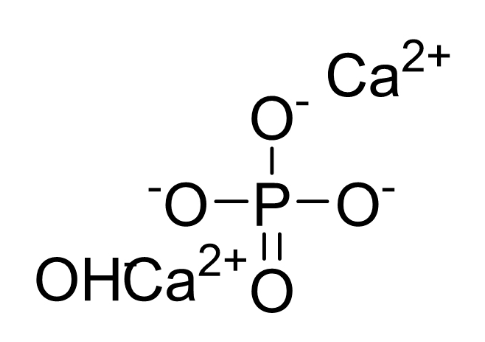
Preparation Methods
Synthetic Techniques
Currently, the industrial and research sectors primarily employ synthetic methods to prepare hydroxyapatite, aiming to obtain products with high purity and controlled morphology.
Chemical Precipitation Method: This is the most widely used method. It involves controlling the concentration, pH value, and temperature of solutions containing calcium salts (e.g., calcium nitrate) and phosphate salts (e.g., diammonium hydrogen phosphate) to induce a precipitation reaction; the resulting precipitate is then washed, dried, and calcined to yield the final powder. This method offers low production costs and high yields; however, strict control of process parameters is required to prevent the formation of impurities.
Hydrothermal Synthesis Method: Synthesis is conducted within a sealed reactor under conditions of high temperature and high pressure. The powder produced by this method exhibits high purity, excellent crystallinity, and minimal agglomeration, making it particularly suitable for the preparation of nanoscale hydroxyapatite; however, it entails high equipment requirements and significant energy consumption.
Solid-Phase Reaction Method: This method involves reacting solid-state raw materials (e.g., calcium phosphate and calcium carbonate) at high temperatures. While the process is simple, it requires high reaction temperatures and typically results in larger particle sizes.
Health Benefits
Biocompatibility
Hydroxyapatite possesses exceptional biocompatibility and is widely recognized as the "gold standard" among biomaterials. Due to its chemical composition—which closely resembles that of human bone mineral—it rarely triggers immune rejection responses following implantation into the body. It is capable of forming chemical bonds with surrounding tissues and inducing the adhesion, proliferation, and differentiation of osteocytes.
Osteoconduction and Osteoinduction
Hydroxyapatite exhibits excellent osteoconductivity; specifically, its porous structure serves to guide the ingrowth of host bone tissue, thereby facilitating the repair of bone defects. Some studies suggest that growth factors adsorbed onto its surface, or its specific crystalline structure, may endow it with a certain degree of osteoinductivity—the capacity to induce the differentiation of non-osseous tissues into bone tissue.
Degradation and Metabolism
The degradation of hydroxyapatite within the body is a gradual process. Following implantation, it undergoes progressive degradation through ion exchange with body fluids and surface dissolution, releasing calcium ions and phosphate ions. As these ions are endogenous substances within the human body, they participate in normal calcium and phosphorus metabolism without exerting any toxic effects on the organism. The voids created by this degradation process are subsequently filled by newly formed bone tissue, thereby achieving the *in situ* replacement of the material.
Application Areas Overview
Biomedicine
Bone Repair: Widely utilized as an artificial bone substitute material for filling bone defects, treating non-union fractures, and performing spinal fusion surgeries.
Dental Implants: Serves as a surface coating for dental implants, promoting the integration of the implant with bone tissue and thereby increasing the success rate of the implantation procedure.
Ocular Implants: Used for intraorbital implantation, exhibiting excellent biocompatibility and vascularization properties.
Daily Care & Personal Hygiene
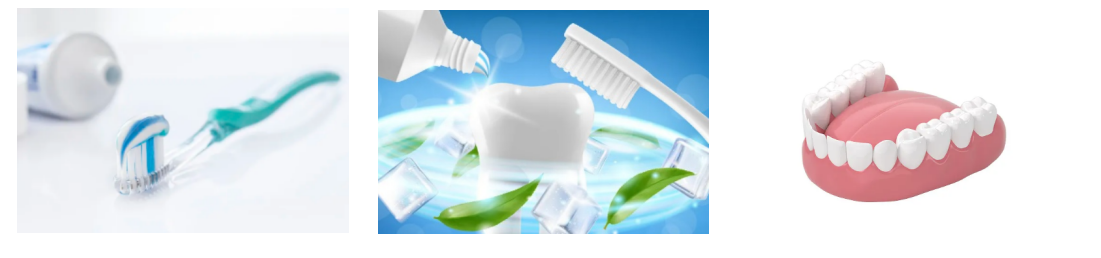
Hydroxyapatite toothpaste has emerged as a highly popular product in recent years. Its primary function is remineralization: when teeth undergo demineralization (calcium loss) in an acidic environment, hydroxyapatite releases calcium ions to facilitate mineral deposition and repair tooth enamel. Furthermore, it possesses the ability to adsorb pigments and bacteria present in the oral cavity, offering benefits such as teeth whitening, sensitivity relief, and plaque reduction.
Why Choose YTBIO's Hydroxyapatite?
We own our factory and have over 12 years of experience in the nutritional raw material industry.
We possess comprehensive international certifications, with our production system certified by cGMP, FSSC22000, BRC, HACCP, HALAL, KOSHER, ISO9001, and ISO22000.
We also offer a one-stop customized service for Hydroxyapatite, whether for existing specifications or based on your specific needs (e.g., particle size, purity, formulation).
Interested in our Hydroxyapatite? For COA, samples, or the latest quote, please contact YTBIO at any time.
Email:sales@sxytbio.com
WhatsApp/phone:+86 17782577059
