

Why is Lactulose Called a Classic Prebiotic? Mechanism of Action and Evidence
I. What is Lactulose?
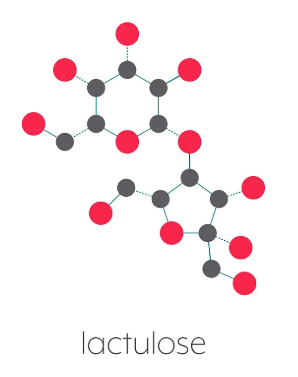
Lactulose is a synthetic disaccharide formed by the chemical or enzymatic isomerization of lactose. Its most significant characteristic is that it is not hydrolyzed by digestive enzymes in the human small intestine, allowing it to enter the colon intact and be selectively utilized by the gut microbiota. Lactulose has good water solubility, a sweetness approximately 48%–62% that of sucrose, and an energy value of about 2 kcal/g. It possesses both functional and formulation adaptability, providing a basis for its prebiotic effects.
II. Empirical Support: The Prebiotic Effect of Lactulose is Not Just Theoretical Speculation
Lactulose was initially called a bifidus factor because of its significant promoting effect on Bifidobacteria. A randomized, double-blind study showed that daily intake of 10 g of lactulose significantly increased the number of Bifidobacteria in the feces of healthy individuals, demonstrating the scientific basis for its status as a classic prebiotic.
More importantly, the effects of lactulose have a clear dose-dependent relationship. In vitro colon model studies have shown that a 2 g dose of lactulose increases acetic acid production, 3 g and above promote butyrate production, and 5 g has a more pronounced growth-promoting effect on Bifidobacteria and Lactobacillus.
Studies on healthy Japanese women have found that even a daily intake of only 1 g of low-dose lactulose can increase bowel movement frequency and the number of Bifidobacteria in feces, indicating that its prebiotic effect persists even at low doses.
Compared to fructooligosaccharides, lactulose produces higher lactic acid levels and creates a lower pH environment during fermentation, providing stronger support for Lactobacillus and Bifidobacteria.
III. Mechanism of Action: Reshaping the Microecological Environment
The key to lactulose's core mechanism lies in colonic fermentation. Upon reaching the colon, lactulose is broken down by intestinal flora to produce short-chain fatty acids (SCFAs), including acetic acid, propionic acid, and butyrate. These metabolites significantly lower the colonic pH, creating an environment conducive to the growth of beneficial bacteria and unfavorable to pathogens. In this acidic environment, free ammonia is converted into poorly absorbed ammonium ions and excreted in feces. Simultaneously, the activity of ammonia-producing bacteria and urease is inhibited, forming the theoretical basis for the use of lactulose in the treatment of hepatic encephalopathy. At the same time, the lower pH environment also helps inhibit the growth of pathogenic bacteria such as Salmonella, and may increase the solubility of minerals such as calcium and magnesium, enhancing their absorption efficiency in the colon.
IV. Safety
Lactulose has been used clinically for over 40 years and is widely used in constipation management and adjunctive treatment of hepatic encephalopathy. Long-term use has not revealed any mutagenic or genotoxic risks. The most common adverse reactions are dose-related bloating and mild diarrhea, which are generally tolerable.
The clear mechanism, stable safety profile, and long-term clinical basis of lactulose demonstrate that it is a classic prebiotic validated through evidence-based research.

V. Application Prospects in the Food Industry
Lactulose is gradually evolving from a traditional medicinal ingredient to a functional food additive. In fermented dairy products, it can increase the number of live probiotics and shorten fermentation time. As a low-calorie sweetener, it is also suitable for low-sugar foods, infant formula, and baked goods, demonstrating strong compatibility.
Summary
Lactulose is considered a classic prebiotic based on its well-defined structural characteristics, mechanism of action, and extensive research evidence, extending to multiple health benefits.
For companies developing gut health products, fermented dairy products, or functional foods, selecting stable and quality-controlled lactulose raw materials is crucial. YTBIO can provide you with high-quality lactulose raw material support. For product specifications, COAs, sample testing, or application advice, please feel free to contact us:
Email:sales@sxytbio.com
WhatsApp/phone:+86 17782577059
References:
Kiran S, Sreeja V, Patel HK. The prebiotic potential of lactulose: A review. J Phytopharmacol 2023;12(6):425–429.