
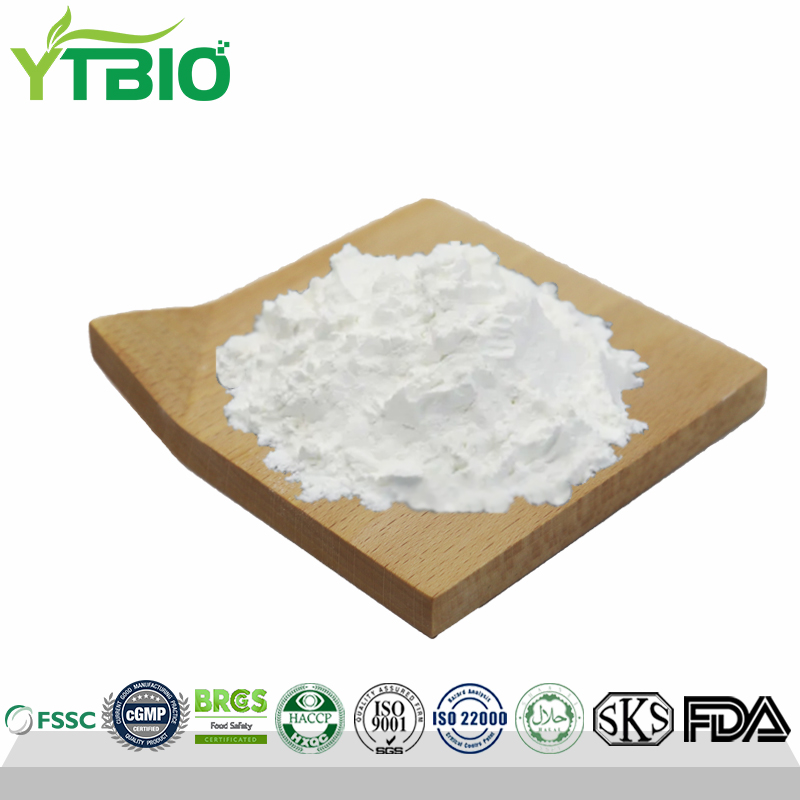
Lauric Acid Powder CAS 143-07-7
What is lauric acid?
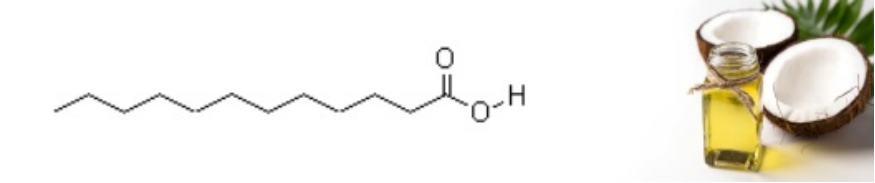
Lauric acid is a saturated fatty acid. Also known as dodecanoic acid because it has 12 carbon atoms, it possesses excellent chemical stability and unique physical and chemical properties. It is a key member of the medium-chain fatty acids (MCFAs) family. It is widely found in coconut oil and palm kernel oil, making it the most common and important source of lauric acid in daily life. Lauric acid is a key raw material in the production of surfactants, detergents, and cosmetics, and is widely used in lubricants, food additives, and industrial additives.
YTBIO: Providing High-Quality lauric acid and Services
High-quality nutritional supplements are crucial to your health journey. YTBIO specializes in providing high-quality lauric acid.
Why choose YTBIO? We hold the following certifications:
- cGMP, ISO9001, and ISO22000 certifications ensure rigorous quality control throughout the entire process;
- BRC and HACCP system certifications ensure product safety and reliability;
- EU and NOP organic, kosher, and halal certifications meet various global standards and dietary requirements.
We specialize in the research, development, and production of natural plant extracts, cosmetic active ingredients, and health foods. We primarily produce plant extracts, health food ingredients, and a variety of end-use products, including capsules, softgels, granular capsules, gummies, tablets, and solid beverages. Our production facilities and equipment meet national standards, and our production processes strictly adhere to GMP requirements. If you have any questions, please feel free to contact us at sales@sxytorganic.com
What are the benefits of lauric acid?
Lauric acid has many benefits:
Antibacterial and Antiviral
Lauric acid is a safe and effective broad-spectrum antimicrobial agent, significantly inhibiting HIV, cytomegalovirus, herpes simplex virus, common cold viruses, and a variety of bacteria and protozoa. Its antimicrobial activity is unaffected by pH, making it superior to traditional preservatives such as sorbic acid and benzoic acid. Lauric acid effectively inhibits microbial proliferation by disrupting the cell membrane structure.
Anti-inflammatory and Immunomodulatory
Lauric acid can alleviate inflammatory responses by regulating the release of inflammatory factors (such as TNF-α and IL-6), and has a relieving effect on chronic inflammatory conditions such as arthritis and dermatitis. Its metabolites, such as monolaurin, can also activate immune cells and enhance immune function.
Boosts Energy Metabolism
As a medium-chain fatty acid, lauric acid is rapidly broken down into ketone bodies without the need for bile, directly providing energy to the brain and muscles. Therefore, it is often used in sports supplements and ketogenic diets to improve endurance and reduce fat accumulation.
Hair and Skin Care
Hair Care: Lauric acid has a small molecular weight and easily penetrates the hair cuticle, repairing damaged hair and enhancing its shine. Shampoos containing lauric acid can gently cleanse the scalp and reduce dandruff.
Skin Care: Lauric acid has excellent lipophilic properties, dissolving oils, cleansing pores, and preventing acne, making it particularly suitable for oily skin. It also moisturizes and helps maintain a healthy skin barrier. Its anti-inflammatory properties can also relieve the redness, swelling, and pain associated with dermatitis. It is highly safe and has a low allergy risk.
Other Potential Benefits
Improving intestinal flora balance and inhibiting the overgrowth of harmful bacteria;
Potentially supporting cardiovascular health by regulating cholesterol levels, but further clinical evidence is needed.
Uses of Lauric Acid
Lauric acid's excellent chemical stability and unique physical and chemical properties make it a key ingredient in a wide range of industries, including food, cosmetics, medicine, and industry.
Household Chemical Industry
Among household chemical products, lauric acid is a key ingredient in cleansing products such as soap and facial cleansers. Its saponification reaction with alkali produces sodium laurate, which exhibits excellent detergency and foaming properties. In soap production, lauric acid contributes to a firm texture and rich, fine foam, effectively removing dirt and oil from the skin's surface. In facial cleanser formulations, lauric acid and its combination ingredients achieve both effective cleansing and gentleness, preventing dryness caused by over-cleansing.
Lauric acid is also added to skincare products as an emollient, forming a protective film on the skin's surface, reducing water evaporation and providing moisturizing properties. It also helps other active ingredients penetrate deeper into the skin.
Industrial Sector
In industrial production, lauric acid is a key chemical raw material. In the plastics industry, lauric acid is used as a lubricant and release agent, reducing friction between the melt and the surface of the equipment during plastic processing, making it easier to form and demold plastic products while also improving their surface finish. In the rubber industry, it acts as a vulcanization activator, promoting the vulcanization reaction and enhancing the strength, elasticity, and wear resistance of rubber products.
Lauryl acid is also used in the production of surfactants, fragrances, coatings, and other products. In leather processing, it serves as a fatliquor to enhance the softness and durability of leather.
Food Industry
In the food industry, lauric acid and its derivatives are commonly used as safe food additives. Lauric acid glyceride is a common food emulsifier that reduces surface tension at the oil-water interface, evenly dispersing oil droplets in water, thereby effectively improving the texture and stability of foods. Adding lauric acid glyceride to baked goods can make cakes and breads more delicate and soft, extending their shelf life. In ice cream production, it prevents the formation and growth of ice crystals, giving the ice cream a smoother and creamier texture.
Lauric acid has certain antibacterial properties and can inhibit the growth of microorganisms in food. It is used as a natural preservative in meat products, dairy products, etc., which can reduce the use of chemical preservatives while ensuring food safety.

