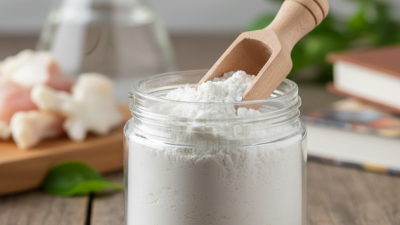
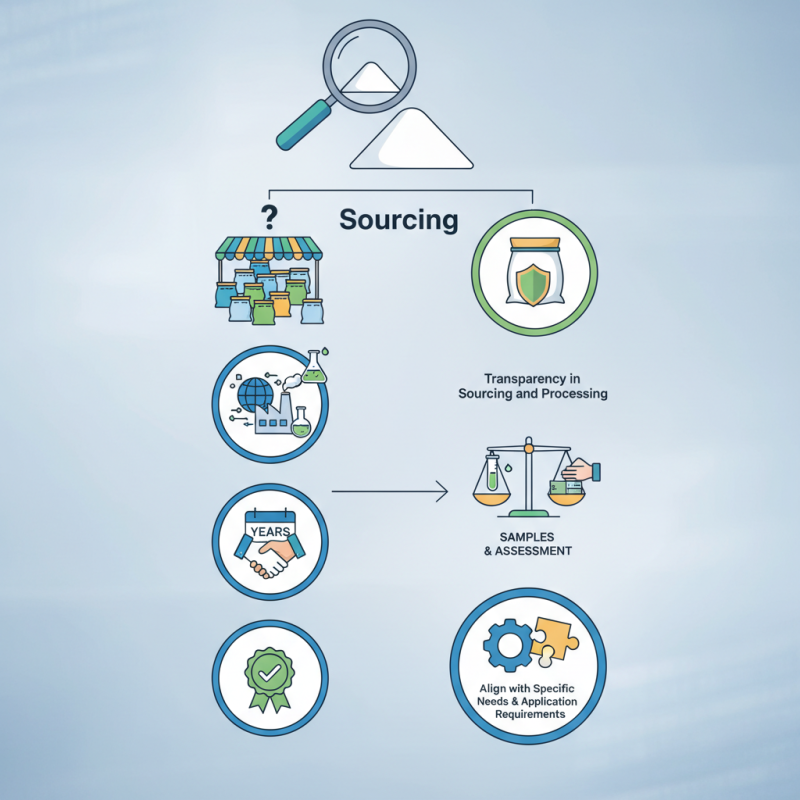
Finding high-quality Guar Gum Powdercan really feel overwhelming sometimes. The market's so packed with options that it’s hard to know who to trust. Honestly, understanding how to spot good quality is key. You want to look for suppliers who are upfront about where they get their Guar Gum and how it's processed. They should share details about its origin and purity—stuff that really matters.
Experience counts a lot here, too. Companies that have been around for a while tend to be more dependable because they’ve been through it all. They usually grasp the finer points of quality way better than the newbies. Certifications can also give you a bit of peace of mind—if a supplier has recognized certifications, it definitely adds credibility.
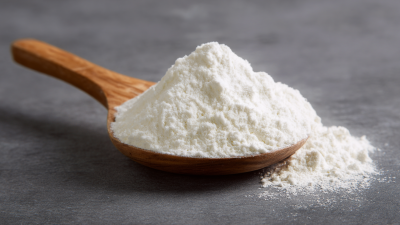
But don’t just take anything at face value. Not all big-name suppliers deliver top-notch quality. It’s always smart to ask for samples so you can check things out yourself. Pay attention to the texture and how consistent it is. Good Guar Gum should be free from impurities—no odd particles or lumps. At the end of the day, your choice should match your specific needs and how you're planning to use it. Taking this more careful, nuanced approach can really save you from common pitfalls and help you make a smart decision.
Understanding Guar Gum Powder and Its Applications
Guar Gum is a natural thickening agent derived from the seeds of the guar plant. Its versatile properties make it valuable in many industries. In food processing, Guar Gum enhances texture, improves moisture retention, and acts as a stabilizer. This makes it a popular choice in products like ice cream and sauces.
Moreover, Guar Gum is used in pharmaceuticals and cosmetics. It helps in emulsifying creams and stabilizing gels. The powder forms a gel-like substance when mixed with water, making it effective in these applications. However, quality can vary significantly between suppliers.
When sourcing Guar Gum, assess the purity and consistency of the powder. Not all suppliers maintain the same standards. Look for exact specifications regarding viscosity and particle size. Test samples before placing large orders. This approach ensures you obtain reliable ingredients for your formulations. Quality control is essential to avoid any variability in your final product.
Identifying Sources of High Quality Guar Gum Powder
When sourcing high-quality guar gum powder, it is essential to identify reliable suppliers. Start by evaluating the sourcing methods of potential vendors. Check if they source directly from reputable farmers or through established processors. This helps ensure the quality of the raw materials they use.
Look for suppliers who provide transparency in their production processes. A thorough inspection of their facilities and practices should be on your checklist. Certifications from international standards can be a good indicator of their quality. Do not hesitate to ask for samples before making a bulk purchase.
Consider building a relationship with suppliers who focus on customer service. Open communication can lead to better understanding and collaboration. Trust your instincts when assessing their knowledge and expertise in guar gum production. If something feels off, it's worth seeking alternatives. Good suppliers should be willing to address your concerns and highlight their quality control measures.
Top Tips for Sourcing High Quality Guar Gum Powder
Evaluating Suppliers for Guar Gum Quality Standards
When sourcing high-quality guar gum powder, evaluating suppliers is vital. Start by examining their certifications. Look for industry standards that ensure product quality. High-quality guar gum should meet specific purity levels. Suppliers should provide documentation to verify these standards.
Meet directly with potential suppliers. Discuss their sourcing practices and production methods. Ask about their quality control measures. Are their facilities regularly inspected? Inquire about their testing processes for raw materials and final products. Transparency is crucial in determining reliability.
Observe their customer service as well. A responsive supplier often indicates a commitment to quality. However, do not overlook feedback from current customers. Seek reviews or testimonials about the supplier's products. Sometimes, suppliers can oversell their capabilities. Be wary of claims that seem too good to be true.
Analyzing the Extraction Process of Guar Gum
The extraction process of guar gum is crucial for ensuring high-quality powder. Guar seeds undergo a series of steps, including harvesting, soaking, and milling. The goal is to isolate the galactomannan polysaccharide responsible for its gelling properties. A report by the Food and Agriculture Organization states that the moisture content of guar seeds affects extraction efficiency. High moisture can lead to bacterial growth, compromising quality.
During milling, precise control of particle size is vital. Studies show that inconsistency in granule size can impact the functionality of guar gum in various applications. It's essential to monitor parameters like temperature and pressure during extraction. Suboptimal conditions can result in a lower yield or altered characteristics. This highlights the importance of expert knowledge in the extraction process.
Some producers overlook the environmental aspects. Sustainable practices are gaining attention. The use of pesticides and fertilizers can create off-flavors and reduce the quality of final products. Investing in sustainable farming can ensure a more reliable supply chain. In comparison, Locust Bean Gum Powder may offer different properties, requiring a distinct extraction method. Understanding these nuances helps industries meet specific market demands effectively.
Testing Techniques for Quality Assurance of Guar Gum
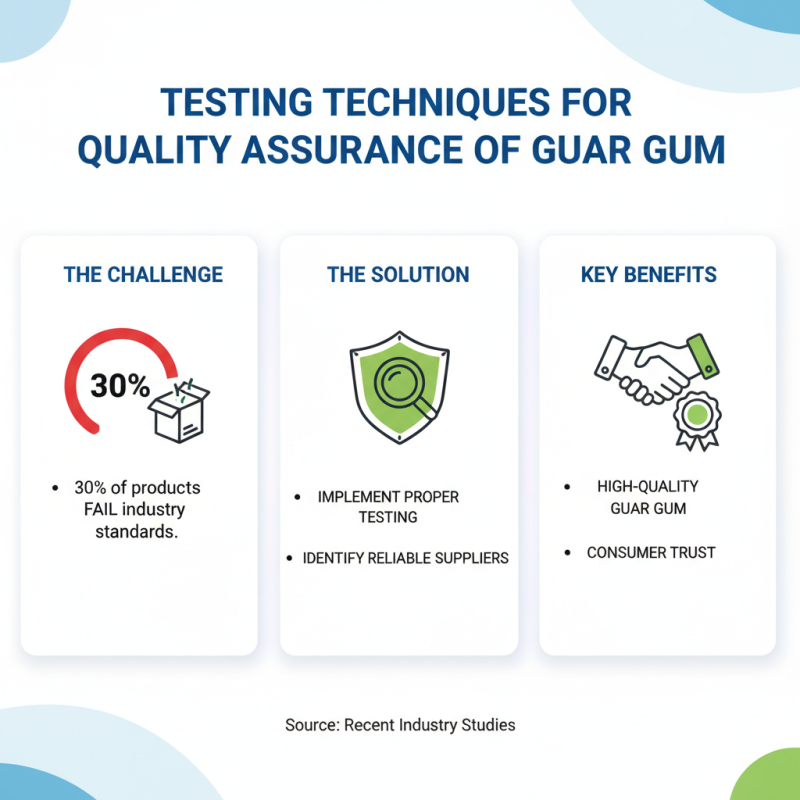
When sourcing high-quality guar gum powder, testing techniques play a vital role in quality assurance. Recent studies indicate that around 30% of guar gum products on the market fail to meet industry standards. Implementation of proper testing methods can help identify reliable suppliers.
A common approach is to assess the viscosity of the guar gum solution. Viscosity directly relates to the molecular weight of the gum. Higher molecular weight typically indicates superior quality. Using a Brookfield viscometer, manufacturers can measure viscosity across various concentrations. This aids in ensuring the product's performance in applications.
Another critical factor is testing for purity. The presence of impurities can compromise the integrity of guar gum powder, affecting its functionality. A particle size analysis can reveal variations in texture. Ideally, the powder should have a consistent particle size distribution. Similarly, moisture content is vital. Excess moisture can lead to clumping and degradation.
Industry reports emphasize the importance of these testing methods. For instance, a report from the International Journal of Food Properties highlights that inconsistency in quality can lead to production delays and financial losses. It’s essential not to overlook these aspects when prioritizing quality. In contrast, using reliable methods for both guar and Tara Gum Powder can enhance product consistency and user satisfaction.
Comparative Analysis of Guar Gum Powder Varieties
When choosing guar gum powder, it's crucial to understand the variety and quality. Recent industry reports highlight that the market for guar gum is projected to reach over $1.23 billion by 2027. This growth emphasizes the importance of selecting high-quality products for specific applications.
Guar gum types vary significantly in both origin and processing methods. For instance, the molecular weight of guar gum can range from 100,000 to 2 million. Higher molecular weight products often have better thickening properties. Meanwhile, some suppliers may offer competing products like Arabic Gum Powder, which serves a different purpose in food and pharmaceutical industries. These differences can affect their functionality.
Choosing the right variety involves careful evaluation. Not every source provides consistent results. Some lower-quality guar gums may contain impurities that compromise performance. Quality assessments should include viscosity tests and purity checks. Remember that the end-use also dictates the necessary characteristics, requiring thoughtful selection and sourcing to meet specific needs.
Cost Considerations in Sourcing Premium Guar Gum Powder
When sourcing premium guar gum powder, cost considerations play a crucial role. Quality often comes at a price, and understanding this is essential for any buyer. Prices can vary widely based on origin, purity, and processing methods. It's important to compare prices from different suppliers, but be cautious. Cheaper options may indicate a compromise on quality.
Investing in high-quality guar gum powder can lead to better performance in your applications. Industries such as food, cosmetics, and pharmaceuticals all require superior quality. However, assessing cost versus quality is not always straightforward. Sometimes, suppliers with lower prices may offer limited transparency. This can lead to confusion about ingredient integrity and sourcing practices.
Furthermore, continuous evaluation is necessary. Conduct regular audits of suppliers and their pricing structures. Are they providing consistent quality over time? It’s vital to maintain relationships with suppliers who prioritize quality alongside cost-effectiveness. Long-term partnerships can actually save money while ensuring premium product availability. Always challenge the status quo. Only a proactive approach can lead to optimal sourcing of guar gum powder.
Top Tips for Sourcing High Quality Guar Gum Powder - Cost Considerations in Sourcing Premium Guar Gum Powder
| Dimension | Details | Cost Considerations (USD) |
| Supplier Quality | Evaluate suppliers based on certifications and quality standards. | $200 - $400 per ton |
| Origin | Source from regions known for high-quality guar beans. | $300 - $500 per ton |
| Processing Method | Consider suppliers using advanced extraction methods. | $250 - $450 per ton |
| Packaging | Ensure proper packaging to maintain quality during transit. | $50 - $100 per ton |
| Minimum Order Quantity | Negotiate lower minimums for small businesses. | N/A |
| Shipping Costs | Factor in shipping based on location and quantity. | $100 - $300 |
The Essential Benefits and Applications of Ubiquinol Powder: Understanding Reduced Coenzyme Q10 in Health and Wellness
Ubiquinol powder, the reduced form of coenzyme Q10, plays a pivotal role in promoting health and wellness. This powerful antioxidant is recognized for its ability to support cellular energy production and combat oxidative stress within the body. With a potency range of 96%-102%, this supplement is not only effective but also backed by reputable certifications such as cGMP, FSSC22000, BRC, HACCP, HALAL, KOSHER, ISO9001, and ISO22000. These certifications ensure that the product adheres to the highest standards of quality and safety, making Ubiquinol a reliable choice for those seeking to enhance their overall well-being.
The applications of Ubiquinol powder are vast, ranging from heart health support to enhancing physical performance. As an essential component in the energy production process, it aids in the efficient functioning of the mitochondria, which are the powerhouses of cells. This energy support is crucial for maintaining vitality, especially in aging individuals and those undergoing intense physical exertion. With a convenient packaging option of 25 kg per barrel, Ubiquinol powder is widely available for bulk supply, catering to health-focused businesses looking to incorporate this vital nutrient into their products. The presence of Ubiquinol can significantly elevate the nutritional profile of supplements, making it a valuable addition to any health regimen.
FAQS
: Evaluate suppliers' sourcing methods. Check if they source from reputable farmers or established processors.
Transparency is key. Inspect their facilities and check for international quality certifications.
Yes, requesting samples is wise. It helps ensure the quality before making a bulk purchase.
Origin and processing methods play a major role. Molecular weight varies significantly, affecting thickening properties.
Conduct viscosity tests and purity checks. This helps identify potential impurities in lower-quality products.
Quality often comes at a price. Understanding cost versus quality helps make informed purchasing decisions.
Yes, cheaper options may lack transparency, potentially leading to doubts about ingredient integrity.
Sustained partnerships can reduce costs while ensuring consistent quality and product availability.
Absolutely. Continuous assessment of quality and pricing structures helps maintain sourcing standards.
A proactive approach is essential. Challenge the status quo to secure quality products.
Conclusion
Guar Gum Powder is a versatile ingredient widely used in various industries, from food to pharmaceuticals. Understanding its properties and applications is essential for sourcing high-quality products. To ensure quality, one must identify reputable sources and evaluate suppliers based on established quality standards. Key considerations include analyzing the extraction process and utilizing effective testing techniques for quality assurance of Guar Gum Powder.
Moreover, a comparative analysis of different varieties of Guar Gum Powder can help in making informed decisions. Cost considerations are also crucial when sourcing premium products, as the price can vary significantly based on quality and supplier practices. By following these tips, buyers can enhance their procurement processes and secure the best Guar Gum Powder for their specific needs.