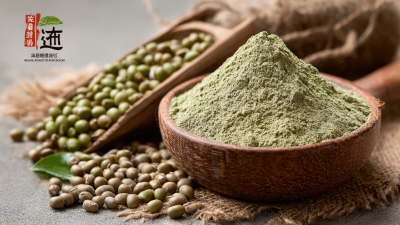
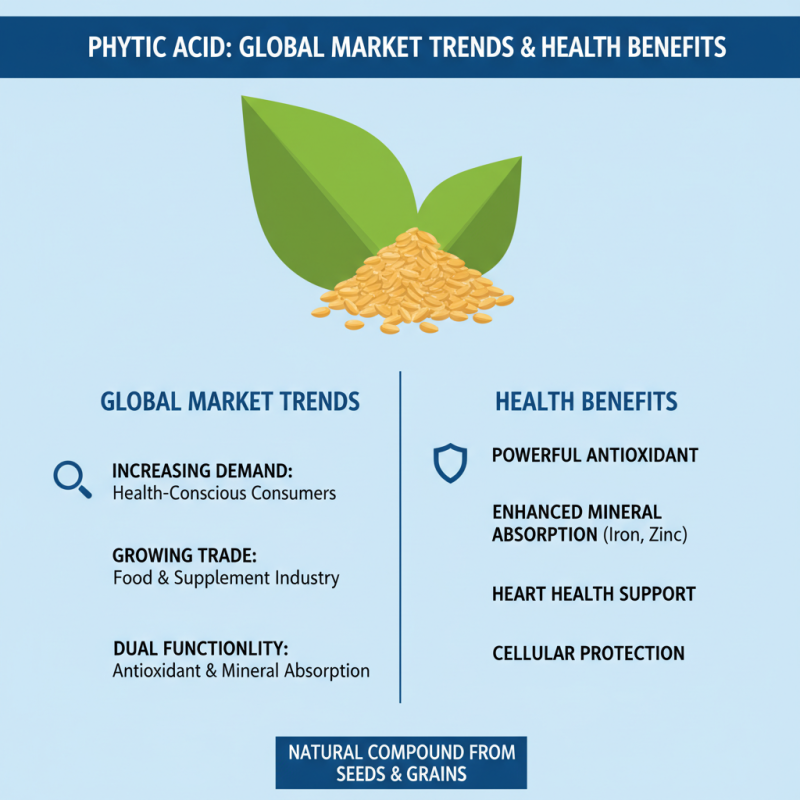
You might have come across Phytic Acid online; it's actually been getting quite a bit of attention worldwide lately. This natural compound is mostly found in plants—think seeds and grains—and folks are really interested in its many benefits. I read in a report from ResearchAndMarkets that the global market for phytic acid is expected to grow a lot, thanks to its use in foods, cosmetics, and health supplements. Pretty cool, right?
In cooking and food, phytic acid works as an antioxidant and can boost nutritional value. At the same time, it can help with mineral absorption. But, here’s the tricky part—sometimes, it can also block the absorption of important minerals like iron and zinc. So, it's kinda got this dual personality, which means we gotta be careful. For buyers around the world, it’s all about balancing the benefits with the potential downsides when it comes to nutrient availability.
On top of that, experts are stressing how important it is to source Phytic Acid responsibly. Companies like Phytate Technologies are leading the charge—they’re giving us good insights into how it’s extracted and used. As demand keeps rising, it’s clear that transparency and quality standards are more important than ever. And with more people becoming health-conscious these days, understanding what Phytic Acid is all about can really help us make smarter choices about what we put into our bodies.
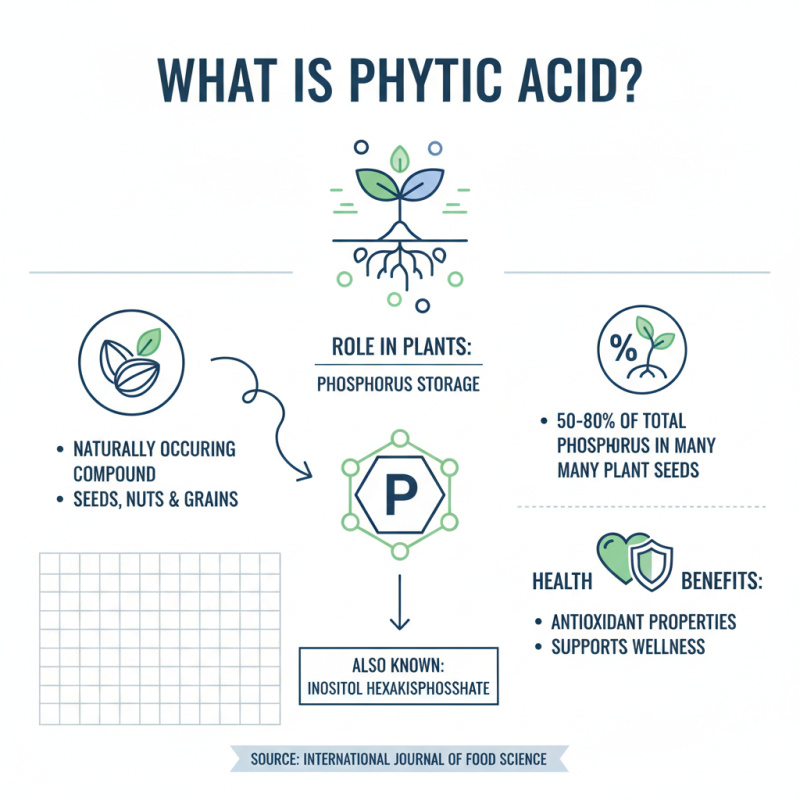
What is Phytic Acid?
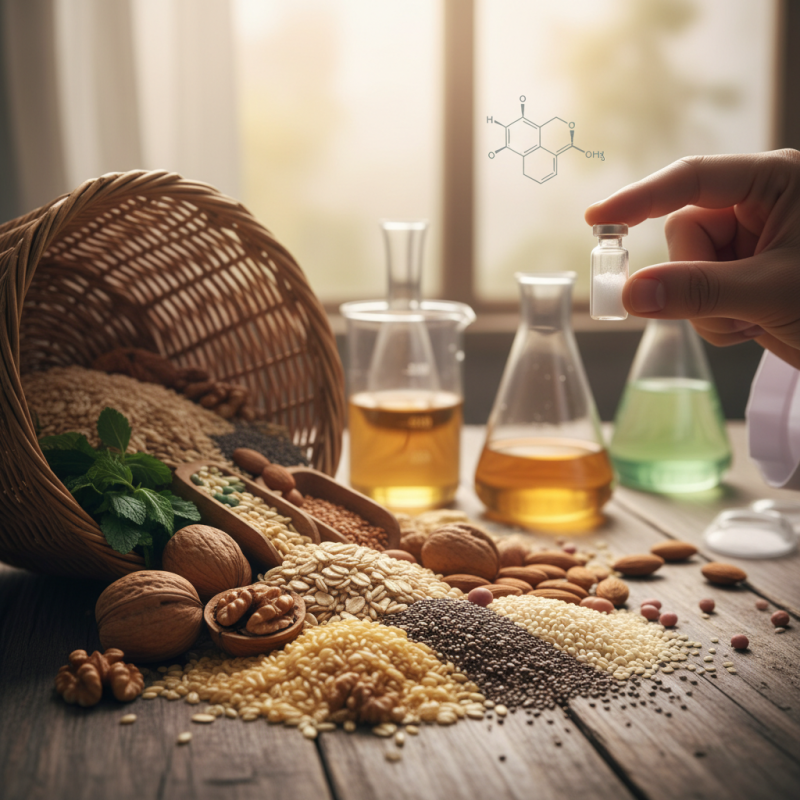
Phytic acid, a naturally occurring compound found in many seeds, nuts, and grains, plays a critical role in plant phosphorus storage. This compound, also known as Inositol hexakisphosphate, constitutes about 50-80% of the total phosphorus in many plant seeds. Data from the International Journal of Food Science indicates that phytic acid has antioxidant properties, contributing to health benefits for consumers worldwide.
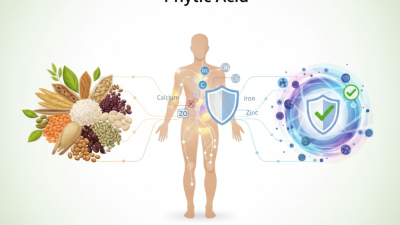
The nutritional implications of phytic acid are significant, especially for global buyers interested in plant-based ingredients. While some studies suggest that phytic acid can inhibit mineral absorption, other research highlights its potential health benefits, including reducing the risk of certain diseases. Nutritional profiles vary, but the content of phytic acid can sometimes exceed 1.5% in certain legumes and grains. Buyers must understand the dual nature of this compound as they consider sourcing from a reputable Phytic Acid Supplier.
One challenge remains in balancing its benefits and drawbacks. Although phytic acid can reduce the bioavailability of minerals like iron and zinc, it also showcases potential anticancer properties. This complexity calls for further research to optimize dietary inclusion. The variability in phytic acid content across different sources adds another layer of consideration for global buyers aiming for informed choices in their sourcing strategies.
The Chemical Structure of Phytic Acid
Phytic acid, known chemically as myo-inositol hexakisphosphate (IP6), has a complex structure that attracts global interest. The molecule features six phosphate groups attached to an inositol ring. This configuration allows phytic acid to interact with minerals and other nutrients, binding them effectively. Reports indicate that phytic acid can exhibit a strong capacity for chelating metals such as calcium, magnesium, and zinc. This characteristic is crucial for both plants and consumers, potentially impacting nutrient absorption.
Research shows that phytic acid has antioxidant properties. In studies, it has demonstrated potential in reducing oxidative stress. For example, a 2021 report from the International Journal of Food Science cites that phytic acid can lower the risk of chronic diseases by neutralizing free radicals. Yet, its capacity to bind nutrients is a double-edged sword. Deficiency of essential minerals can occur in diets with excess phytate consumption. This aspect raises questions about the balance between its benefits and potential drawbacks.
Moreover, the stability and bioavailability of phytic acid can fluctuate across processing methods. Raw foods may contain high phytic acid, affecting nutrient accessibility. However, traditional preparation methods such as soaking or fermenting can reduce its content significantly. It's vital to understand these nuances for better dietary decisions. Grounded in data, the relationship between phytic acid and nutrient dynamics remains a topic worthy of exploration.
Phytic Acid Levels in Various Food Sources
Sources of Phytic Acid in Food
Phytic acid is a natural compound found in many plant foods. It serves various functions, including acting as an antioxidant. While it offers health benefits, sources of phytic acid in food are essential for consumers to consider. Whole grains, legumes, nuts, and seeds are rich in this compound. These foods contribute significantly to daily intake across populations.
According to recent studies, whole grains can contain up to 6% phytic acid. Legumes rank high too, with as much as 3-4% of their dry weight. Consuming a diet rich in these foods can boost phytic acid levels. However, not everyone tolerates high amounts well. Some individuals may experience digestive discomfort. Therefore, moderation is key.
Beyond nutrition, phytic acid poses a unique challenge. It can inhibit iron and zinc absorption. This is critical for many buyers, especially in regions with high rates of nutrient deficiencies. Despite its benefits, the balance between phytic acid and nutrient absorption is vital. Using methods like soaking or sprouting grains can reduce its levels. These approaches help mitigate potential downsides while preserving the benefits of foods rich in Phytic Acid Powder.
Health Benefits of Phytic Acid for Consumers
Phytic acid, often found in grains, nuts, and seeds, is catching attention for its potential health benefits. Many are unaware that this natural compound can act as a powerful antioxidant. It helps combat oxidative stress in the body, which is linked to various chronic diseases. Phytic acid also exhibits properties that may enhance gut health. By promoting beneficial bacteria, it may improve digestion and nutrient absorption.
Consumers should note that phytic acid can bind minerals like calcium and iron, reducing their absorption. This raises a valid concern for those relying on plant-based diets. Balancing phytic acid intake with sources high in these minerals is crucial. Additionally, some individuals may experience digestive discomfort due to high concentrations of phytic acid in their diet. Personal experiences vary greatly here.
Many health enthusiasts embrace phytic acid for its protective effects. It may play a role in lowering blood sugar levels, beneficial for maintaining balanced energy. However, the key is moderation. For holistic health, it's essential to understand the context in which phytic acid is consumed. Engaging in thoughtful discussions and research can help consumers make informed choices about their diets.
What is Phytic Acid and its Benefits for Global Buyers?
| Benefit | Description | Relevance to Consumers | Sources |
| Antioxidant Properties | Phytic acid can protect cells from oxidative stress. | Helps in reducing the risk of chronic diseases. | Nuts, seeds, whole grains |
| Mineral Absorption | May reduce absorption of iron and zinc but improves magnesium absorption. | Important for vegetarians and vegans for managing mineral levels. | Legumes, grains |
| Glycemic Control | May help in regulating blood sugar levels. | Beneficial for individuals with diabetes or insulin resistance. | Whole grains, legumes |
| Anti-cancer Properties | Potential to inhibit tumor growth and cancer cells. | Offers hope for cancer prevention strategies. | Whole grains, nuts |
| Heart Health | May lower cholesterol levels, contributing to cardiovascular health. | Promotes a healthy heart among consumers. | Whole grains, beans |
Phytic Acid's Role in Nutrient Absorption
Phytic acid, often found in grains and legumes, plays a significant role in nutrient absorption. It acts as an anti-nutrient by binding to minerals like iron, zinc, and calcium. While this can limit their bioavailability, it’s essential to note that not all absorption is severely impacted. Some studies suggest that with proper preparation of foods, such as soaking or fermenting, the effects of phytic acid can be reduced.
For global buyers, understanding how phytic acid interacts with nutrients is crucial. For instance, Phytic Acid Sodium Salt can potentially be beneficial in certain dietary contexts. It may help to improve the digestion process. However, it is not a magic solution. A diet overly reliant on phytic acid-rich foods, without balance, can lead to deficiencies. Optimizing nutrient intake calls for a mindful approach to food selection and preparation.
Incorporating a variety of food sources can help mitigate any negative impacts. Thoughtful cooking practices, such as sprouting or soaking, can unleash nutrient potential. It is vital to reflect on individual dietary habits and ensure diverse mineral sources. This careful consideration supports better absorption and enhances overall health.
Market Trends for Phytic Acid in Global Trade
Phytic acid has gained attention for its numerous health benefits. It is a natural compound found in seeds and grains. As consumers become more health-conscious, the demand for phytic acid is on the rise. This compound serves as an antioxidant and may help in mineral absorption. This dual functionality appeals to manufacturers and health enthusiasts alike.
Market trends show a growing interest in natural and plant-based ingredients. Phytic acid fits well within this trend, making it popular among global buyers. Emerging markets in Asia and Europe are leading this charge. However, producers face challenges in maintaining sustainable sourcing. Ensuring high-quality phytic acid remains crucial. Transparency in supply chains needs improvement. This helps build trust with consumers.
Innovation in extraction methods is also taking place. New techniques aim to enhance yield while minimizing waste. This aligns with the sustainability goals many companies pursue. As the market evolves, staying informed is essential. Businesses need to adapt to shifting consumer preferences. The landscape for phytic acid is dynamic, requiring constant attention and adjustments.
Potential Challenges and Misconceptions about Phytic Acid
Phytic acid has gained attention for its health benefits, but misconceptions surround it. Many think it works solely as an anti-nutrient, blocking mineral absorption. However, evidence suggests that phytic acid possesses antioxidant properties. A study in the "Journal of Nutrition" noted that it may lower the risk of heart disease. Understanding its dual role is crucial for global buyers.
Potential challenges arise when communication about phytic acid’s effects is unclear. Some data show that high phytic acid levels can reduce mineral bioavailability. Yet, it also offers protective health benefits. According to the World Health Organization, adding phytic acid-rich foods can enhance overall nutrition, especially in populations at risk of deficiencies. It’s vital to rely on scientific findings when discussing these aspects.
Misinformation can lead some to overlook the advantages of phytic acid. Some reports suggest it could interfere with essential fatty acids, like Docosahexaenoic Acid. This perception can hinder appreciation for its broader health properties. Navigating these complexities requires careful analysis and open discussion within the nutrition community.
Unlocking the Benefits of 98% Gamma Aminobutyric Acid Powder (GABA) for Enhanced Wellbeing and Stress Relief
Gamma Aminobutyric Acid (GABA) is emerging as a powerhouse in the realm of health supplements, particularly lauded for its ability to enhance wellbeing and relieve stress. With a concentration of 98%, GABA not only stands out due to its efficacy but also because of its excellent water solubility, making it easily digestible and readily absorbable by the body. By directly influencing neurotransmitter levels in the brain, GABA can help promote relaxation and improve mood, offering those who struggle with stress a natural alternative to pharmaceutical options.
The purity of the ingredient is verified through High-Performance Liquid Chromatography (HPLC), ensuring that consumers receive a high-quality product that meets rigorous safety standards. For individuals seeking convenience, the product is currently in stock and available for purchase through various payment methods, including T/T, VISA, XTransfer, and Alipayment. With shipping options like DHL, FedEx, TNT, EMS, and SF, customers can expect a prompt delivery, making it easier than ever to incorporate the benefits of GABA into their daily routine.
FAQS
: Phytic acid is commonly found in grains and legumes. It plays a role in nutrient absorption.
It can bind to minerals like iron and zinc. This may limit their bioavailability.
Yes, soaking or fermenting foods can reduce phytic acid’s impact. This helps improve nutrient absorption.
Over-reliance can lead to mineral deficiencies. A balanced diet is essential for health.
Yes, it has antioxidant properties and may reduce heart disease risk. Individual dietary habits matter.
Many believe it only blocks mineral absorption. However, it also offers protective health benefits.
Clear communication is key, as high levels can lower mineral bioavailability but have health advantages.
Incorporating diverse food sources can help mitigate negative impacts. Thoughtful cooking practices matter too.
It ensures a balanced intake of minerals. This supports better absorption and overall health.
It can lead to underappreciation of its health benefits. Open discussions within the nutrition community are necessary.
Conclusion
Phytic Acid, a natural compound primarily found in seeds, grains, and legumes, plays a crucial role in the nutrient dynamics of various foods. Its unique chemical structure allows it to act as an antioxidant and potential health promoter. While Phytic Acid is often misunderstood as an anti-nutrient, its health benefits include enhancing gut health, reducing the risk of certain diseases, and promoting the mineral absorption when consumed in balanced amounts.
As global trade dynamics evolve, the demand for Phytic Acid is on the rise, driven by its incorporation into health supplements and functional foods. However, challenges such as misconceptions surrounding its role in nutrient absorption persist, highlighting the need for consumer education. Understanding the sources and benefits of Phytic Acid can empower buyers to make informed decisions about the foods they consume while navigating emerging market trends.