You know, with more folks leaning towards natural supplements these days, it's honestly more important than ever to really get what benefits they can offer. Take Coenzyme Q10, for example — it’s been catching a lot of attention lately because of its awesome antioxidant effects and how crucial it is for giving our cells the energy they need. Here at Shaanxi Yuantai Biological Technology Co., Ltd., we’re all about providing top-notch raw materials for nutritional supplements, including CoQ10, to help support everyone’s health and wellness journey. In this article, I want to share seven key tips to help you get the most out of Coenzyme Q10 — so you can boost your energy levels and overall vitality. Whether you’re just curious, a health professional, or a manufacturer looking to ups your game, these tips should give you some solid insights to make the most of this amazing nutrient.
Understanding Coenzyme CoQ10: Its Role and Benefits
Coenzyme Q10, often called ubiquinone, is an amazing antioxidant that really helps our cells produce energy. It’s a natural compound that supports a bunch of different functions in your body—like keeping your heart running smoothly, giving you a little boost during workouts, and even tackling some signs of aging. Knowing why it’s important can actually help you get the most out of it.
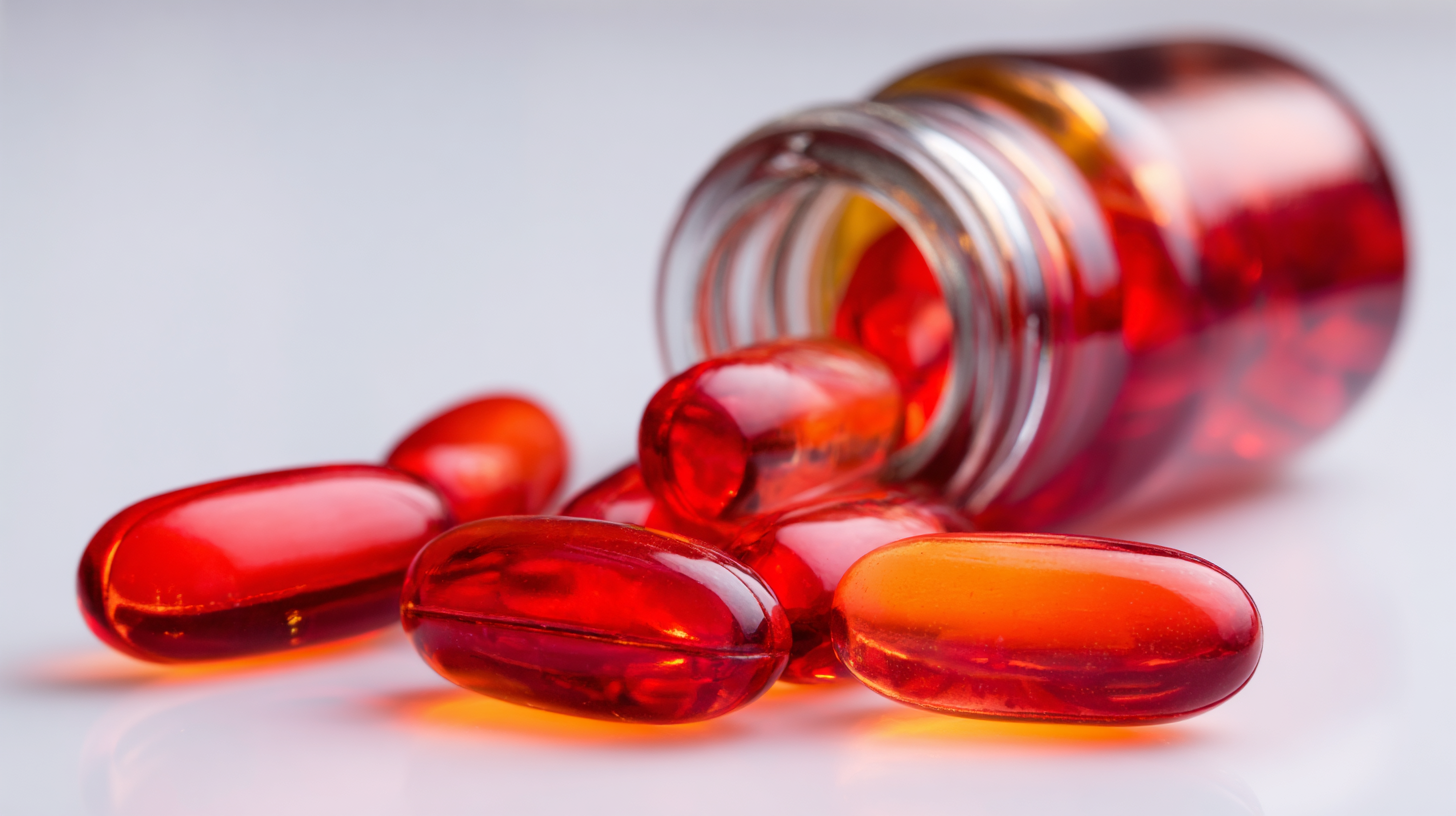
Here’s a little tip: when choosing a Q10 supplement, pick the right type. There’s ubiquinone and then ubiquinol, which is more easily absorbed by your body. And if you want to maximize its effects, taking it with a meal that has healthy fats can make a big difference.
Also, consistency is key. Taking it regularly can really make a difference, especially if you’re aiming to improve your heart health or just want more energy day-to-day. It’s probably a good idea to chat with your doctor about the right dose, because everyone’s needs can be pretty different based on your health and lifestyle. Oh, and pairing CoQ10 with other antioxidants—like vitamins E and C—can work together really well to boost your body’s overall antioxidant defenses. So, a little planning can go a long way!
Identifying the Best Sources of CoQ10 for Optimal Consumption
When you're thinking about getting the most out of Coenzyme Q10 (CoQ10), it’s really important to know the best sources to include in your diet. You’ll find CoQ10 in things like fatty fish—salmon, mackerel, you name it—organ meats like liver, and whole grains. Oh, and don’t forget nuts and seeds—peanuts and sunflower seeds are actually pretty good sources too. Adding these foods into your meals can help you keep your CoQ10 levels up, especially if you’re someone who doesn't absorb supplements all that well.
Besides just eating these foods, timing matters too. Taking CoQ10 with a meal that has healthy fats can make a big difference in how well your body absorbs it. Think about pairing it with avocado, olive oil, or some omega-3-rich fish—those combo shots can really boost its effectiveness. Oh, and a quick tip: go for high-quality supplements. Ubiquinol, the active form of CoQ10, is usually absorbed better than ubiquinone, so picking products with that might give you better results. All in all, it’s all about incorporating the right foods and smart supplementation for the best benefits.
Timing Your CoQ10 Intake for Enhanced Absorption and Effectiveness
Timing when you take your CoQ10 can really make a difference in how well your body absorbs it and how effective it is. Honestly, most folks find that taking CoQ10 with a meal that has some healthy fats in it really boosts absorption—since CoQ10 is fat-soluble, having some dietary fat around helps your body soak it up better. So, thinking about your meals when you plan your supplement routine can actually give you better results.
Also, the timing isn’t just about meals—when you take CoQ10 in relation to other supplements or meds matters too. Many recommend taking it in the morning or early afternoon because it might give you a nice little energy lift. And if you're on medications like statins, it’s smart to space your CoQ10 apart to avoid any possible interactions. Basically, paying attention to both what you eat and when you take it can really help you get the most out of CoQ10—supporting your energy levels and overall wellbeing in a pretty meaningful way.
Pairing CoQ10 with Complementary Nutrients for Maximum Benefits
Coenzyme Q10, or CoQ10 for short, is pretty well-known for its potential health perks, especially when it comes to energy production and fighting off free radicals as an antioxidant. If you really want to get the most out of it, pairing CoQ10 with other nutrients can make a big difference. For example, some studies suggest that taking CoQ10 along with omega-3 fatty acids can actually help your body absorb it better. One study I read in the Journal of Nutritional Biochemistry mentioned that these fats help transport CoQ10 into your cell membranes more efficiently—by as much as 30%, actually! Quite impressive, right?
And it doesn’t stop there. Vitamin E and selenium are also key players in boosting CoQ10’s antioxidant power. According to a report in the American Journal of Clinical Nutrition, when you combine these, it’s like a tag team—your cells get an extra layer of protection from oxidative damage. Plus, selenium actually helps regenerate CoQ10, so it can keep working effectively longer. Overall, if you’re aiming to get the most benefits from CoQ10, paying attention to what you pair it with can really make a difference.
So yeah, a little mindful combo can go a long way in supporting your health!
Recognizing Potential Side Effects and Interactions with CoQ10
Coenzyme Q10, or CoQ10 for short, is this pretty impressive antioxidant that helps give your cells the energy boost they need. It’s got a lot of health perks, but, honestly, it’s smart to be a little cautious—knowing about possible side effects and how it might interact with other meds is key if you’re thinking about jumping in. Most folks don’t experience anything too serious; studies show that only about 10% of people might feel things like upset stomach, trouble sleeping, or some skin rashes. Usually, these effects tend to be dose-related, so starting with a lower dose and then bumping it up gradually as your body gets used to it is the way to go.
Also, keep in mind that CoQ10 can interact with certain medications. For example, it might make blood thinners like warfarin less effective, which was actually pointed out in a study published in the American Journal of Clinical Nutrition. The reason? CoQ10 helps reduce oxidative stress, and that can interfere with how some of these drugs work. If you’re on statins, some people take CoQ10 to help with muscle pain caused by statins, but the evidence about whether that really helps isn’t super clear. Bottom line—it's always best to chat with your healthcare provider before adding CoQ10 to your routine, especially if you have any health issues or are on multiple medications. Better safe than sorry, right?
Evaluating the Right Dosage of CoQ10 for Individual Health Needs
Coenzyme Q10, or CoQ10 for short, is a pretty important antioxidant our bodies rely on. It’s like a tiny powerhouse helping out with cellular energy — basically, it keeps you energized and supports your heart health. These days, more folks are jumping on the supplement train with CoQ10, but it’s actually pretty important to figure out the right dose for you, depending on your age, health, and any specific conditions you might have. From what I’ve read, a typical dose falls somewhere between 100 mg and 300 mg daily, and many people find that range helps boost their energy levels and keeps their heart happy.
When you’re starting out, it’s usually a good idea to go easy — maybe start with 100 mg a day and see how your body responds. You can always bump it up if you feel like you need more or if your goals change. For folks dealing with chronic issues like heart disease or diabetes, sometimes higher doses are recommended — I’ve come across studies in *The American Journal of Cardiology* where patients took up to 600 mg and noticed some pretty positive results.
Adding CoQ10 to your daily routine can be a real help, but don’t forget — it’s always best to chat with a healthcare pro before making any big changes to your supplement game. Also, staying well-hydrated and eating a balanced diet can really help your body absorb and make the most of CoQ10. It’s all about finding what works best for you!
7 Essential Tips for Maximizing the Benefits of Coenzyme CoQ10 - Evaluating the Right Dosage of CoQ10 for Individual Health Needs
| Tip Number | Tip Description | Recommended Dosage (mg) | Best Time to Take | Health Benefits |
| 1 | Consult a healthcare provider before starting | 100-200 | Morning | Supports heart health |
| 2 | Choose the right form of CoQ10 | 100-300 | With meals | Improves energy levels |
| 3 | Assess your dietary intake | 30-100 | Anytime | Supports immune function |
| 4 | Be consistent with your dosage | 200-400 | Before exercise | Enhances physical performance |
| 5 | Monitor for side effects | 50-150 | With breakfast | Aids in recovery after illness |
| 6 | Consider your age and health conditions | 150-300 | Evening | Promotes brain function |
| 7 | Stay hydrated while taking CoQ10 | 100-200 | With water | Supports skin health |
Exploring the Benefits and Applications of Factory Supply Coenzyme Q10 Powder 303-98-0 in Health and Wellness
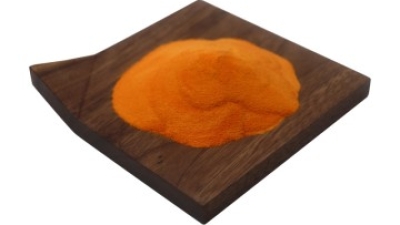
Coenzyme Q10 (CoQ10), specifically in its powdered form (303-98-0), has garnered significant attention in the health and wellness sectors due to its numerous benefits. This powerful antioxidant plays a crucial role in energy production within cells and is vital for maintaining overall cellular health. Various studies highlight its ability to support cardiovascular health, enhance exercise performance, and improve skin vitality. The solubility of CoQ10 can vary, with options available in concentrations of 10%, 20% (water-soluble), 40%, and up to 98%, allowing for tailored applications depending on the desired outcome.
According to data published by industry experts, CoQ10 has shown promise in clinical settings, particularly in its role in reducing oxidative stress and inflammation. This is essential for those engaging in rigorous physical activities, as it may lead to improved recovery rates and reduced muscle fatigue. Furthermore, stability tests suggest that while CoQ10 is generally stable, it is sensitive to light and heat; therefore, appropriate storage conditions at -20℃ away from light are critical for preserving its efficacy. Notably, care must be taken to avoid compatibility with strong oxidants, which can impact its durability.
The melting point of CoQ10 ranges between 49-51℃, indicating its thermal properties that can affect formulations in health and cosmetic products. With these insights, manufacturers and consumers alike can make informed decisions regarding the application of CoQ10 powder in creating dietary supplements and skincare products designed to enhance overall wellness and vitality.
FAQS
: CoQ10, or Coenzyme Q10, is a powerful antioxidant that plays a critical role in energy production within cells. Its primary benefits include enhancing energy levels and providing antioxidant protection.
Pairing CoQ10 with complementary nutrients, particularly omega-3 fatty acids, can enhance its absorption and efficacy. Omega-3s help transport CoQ10 into cell membranes, increasing its bioavailability by up to 30%.
Vitamin E and selenium are important nutrients to pair with CoQ10, as they amplify its antioxidant properties and support cardiovascular health.
While CoQ10 is generally well-tolerated, approximately 10% of users may experience mild side effects such as gastrointestinal discomfort, insomnia, or skin rashes. These effects are often dose-dependent.
Yes, CoQ10 can interact with medications, particularly anticoagulants like warfarin, potentially reducing their effectiveness. It’s essential to consult healthcare professionals before starting CoQ10 if you're on medications.
Recommended dosages of CoQ10 typically range from 100 mg to 300 mg per day, with higher doses (up to 600 mg) being beneficial for individuals with chronic conditions like heart disease or diabetes.
It is advisable to start with a lower dose, such as 100 mg per day, and gradually increase based on individual response and health goals, while consulting a healthcare professional.
Staying hydrated and maintaining a balanced diet can enhance the absorption and efficacy of CoQ10 in your system. Consulting with a healthcare provider to tailor the dosage is also recommended.
Conclusion
Coenzyme Q10, or CoQ10 for short, is pretty important when it comes to energy production and overall health. Lots of folks talk about its antioxidant powers and the way it supports heart health—pretty impressive, right? To really get the most out of it, it's a good idea to know which foods are rich in CoQ10. Think fatty fish like salmon, whole grains, and nuts—they’re all good sources. Of course, high-quality supplements from trusted places like Shaanxi Yuantai Biological Technology Co., Ltd. can also do the trick. Timing can matter too—taking it at the right moments might help your body absorb it better. And pairing CoQ10 with other nutrients, like vitamins C and E, can give it an extra boost.
But hey, don’t forget to be aware of possible side effects or interactions with medications. It’s always smart to customize your dosage based on your own health needs. Follow these simple tips, and you'll be on your way to enjoying the health perks of CoQ10. Plus, leaning on high-quality products from reputable companies just makes things easier and safer.