

The Ultimate Guide to Cinnamaldehyde: Its Uses and Benefits in the Food Industry
Sources and Properties of Cinnamaldehyde
Cinnamaldehyde is a naturally occurring aromatic organic compound, primarily extracted from the bark of plants in the Lauraceae family (such as the cinnamon tree). It is a key component contributing to the characteristic aroma and flavor of cinnamon and is the main component of cinnamon essential oil.
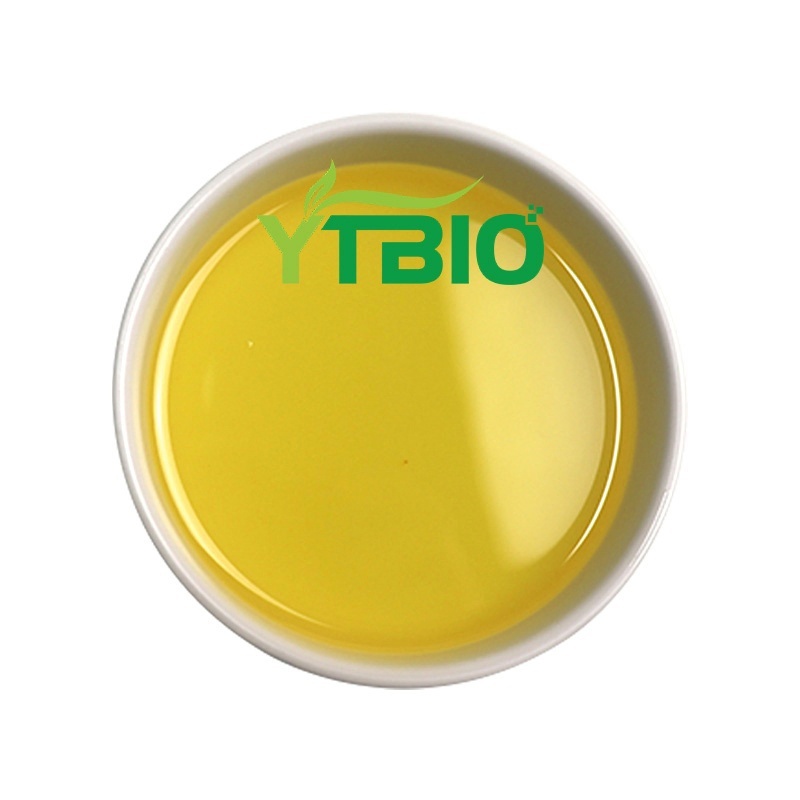
At room temperature, cinnamaldehyde is a pale yellow to reddish-brown oily liquid, emitting a warm and rich spicy aroma. Due to its unique flavor, it is widely used as a food flavoring agent, spice, and flavor enhancer.
Besides its applications in the food industry, cinnamaldehyde also exhibits various biological activities such as antibacterial, anti-inflammatory, and antioxidant properties. Therefore, it is also used as an important natural additive and functional ingredient in the pharmaceutical, health product, and cosmetic industries, making it a versatile compound that combines flavor value with biological functions.
Bioactivity and Applications of Cinnamaldehyde
Cinnamaldehyde, derived from cinnamon bark, is a natural compound with various biological activities. Its main functions and applications are as follows:
1. Antibacterial Activity
Cinnamaldehyde exhibits significant inhibitory effects on many common pathogenic microorganisms, such as Escherichia coli, Staphylococcus aureus, and molds, making it an ideal natural antibacterial agent and food preservative.
Its antibacterial mechanism mainly includes two aspects:
- Disruption of cell membrane structure: By interfering with the integrity of bacterial cell membranes, it affects their metabolic functions, thereby inhibiting bacterial growth and reproduction.
- Inhibition of genetic material replication: It can damage bacterial DNA and RNA, blocking the replication and transcription of their genetic material, thus leading to bacterial death. This mechanism also helps reduce the risk of bacterial resistance to antibiotics.
2. Antioxidant Activity
Cinnamaldehyde has a strong free radical scavenging ability, which can effectively alleviate the damage of oxidative stress to cells, and has important value in health care and food preservation.
Its antioxidant mechanisms include:
- Neutralizing free radicals in the body, reducing oxidative damage to cells and tissues;
- Inhibiting lipid peroxidation, protecting cell membrane structure, and reducing the formation of harmful oxidative products.
In the food industry, cinnamaldehyde is often added to high-fat or easily oxidized foods such as nuts, meat products, soy sauce, and bread, not only extending shelf life but also helping to maintain the color, flavor, and nutritional components of the food.
3. Flavor Enhancement Function
Cinnamaldehyde has a warm and rich spicy aroma and is an important natural flavoring agent in food. It effectively enhances the flavor profile of food and is commonly used for:
- Adding aroma to baked goods and desserts;
- Masking off fishy odors and enhancing umami flavor in meat processing;
- Combining with other spices in seasonings to create a richer flavor experience.
Uses of Cinnamaldehyde in Food
Cinnamaldehyde, as a natural food additive, is widely used in the food industry due to its dual functions of preservation and flavoring.
1. Natural Preservative
Cinnamaldehyde possesses excellent antibacterial properties, effectively inhibiting the growth of various common pathogenic bacteria and molds, thereby extending the shelf life of food and preventing spoilage. Adding an appropriate amount of cinnamaldehyde to perishable foods such as meat products, bread, and pastries helps maintain the freshness and original taste of the products.
2. Flavoring Agent
Cinnamaldehyde has a unique and rich spicy aroma, imparting a natural cinnamon flavor to food. Adding an appropriate amount to baked goods, desserts, and beverages can effectively improve the overall flavor profile, enhance appetite and the eating experience, making it an ideal natural flavor enhancer.