

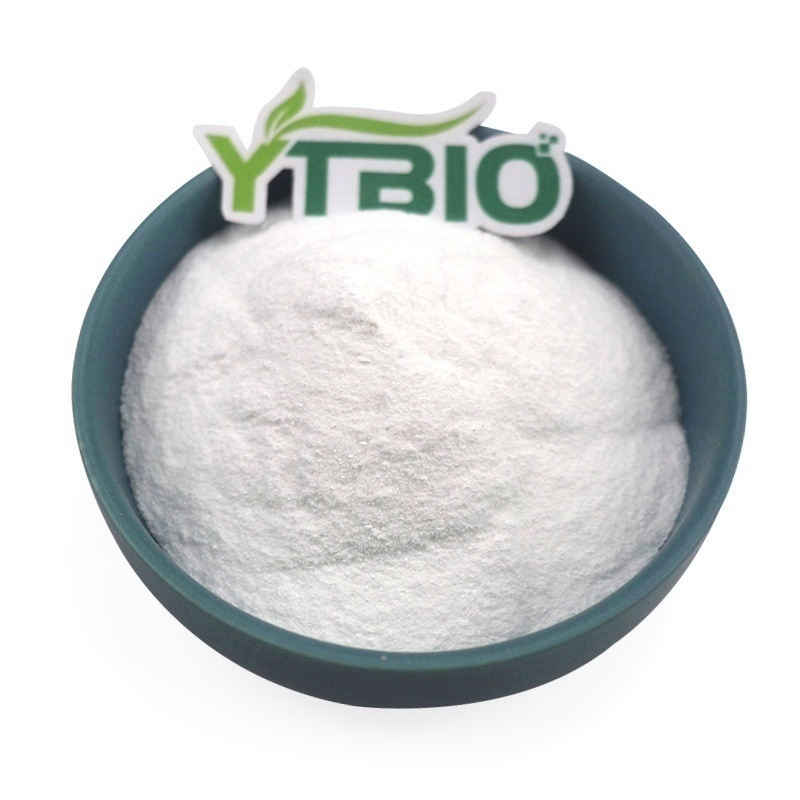
The role of retinol in skin anti-aging
What is retinol?
Retinol, also known as retinol, belongs to the vitamin A family. In the skin care industry, ingredients such as retinol are known as "all-round skin care". This is mainly because its functions are too powerful. Generally, skin care ingredients are relatively targeted. Few skin care ingredients have more than three functions. And retinol (retinol) needs to be converted into retinol acid before it can work, so it can be understood that the effects of the two are equivalent.
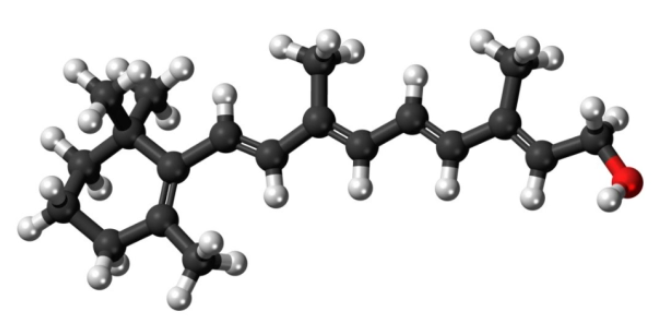
Retinol plays an important role in the anti-aging process. It is an additive to many skin creams and anti-wrinkle products. Retinol can penetrate the skin, repair cells and restore skin elasticity, so it also has the effect of reducing wrinkles.
When retinol is applied to the skin, it is converted into retinoic acid. This acid is an ingredient in prescription vitamin A creams (commonly used to treat acne and early aging symptoms). Retinoic acid works by stimulating collagen growth and regulating the skin regeneration process. It can make the skin smooth and firm.
What is the role of retinol?
In the skin, retinol naturally exists in the epidermis, and the concentration increases from the stratum corneum to the basal layer. Retinyl esters are the storage form of retinol in keratinocytes, which can be converted into retinol and further converted into retinoic acid when needed to maintain dynamic balance. Its biological action targets have been fully studied at the molecular level, mainly by binding to specific nuclear receptors to activate specific gene regulation.
The mechanism of action of retinol is to reduce fat accumulation in skin tissue and rejuvenate the skin structure. It can also help the stratum corneum of the skin to restore normal metabolism and further make the stratum corneum of the skin thicker, so as to achieve the effect of enhancing the water storage capacity of the skin; at the same time, it can also promote the formation of collagen in the dermis of the skin.
- Delicate pores
Because retinol can promote the normal differentiation of skin keratinocytes, it can make the distribution of keratinocytes more compact. The result seen by the naked eye is that the pores are more delicate and the skin is more compact and smooth.
- Anti-aging and anti-wrinkle
On the one hand, retinol can prevent the decomposition of collagen in the dermis and avoid skin wrinkles; on the other hand, it can also promote the synthesis of collagen in the dermis and improve the wrinkles that have already formed.
- Acne removal
Relevant studies have shown that retinol can play an anti-inflammatory role, and can inhibit the secretion of sebum in hair follicles, improve the accumulation of keratin inside and outside pores, and avoid the blockage of pores, so the effect of acne removal and acne inhibition is very obvious.
- Whitening
Because retinol can accelerate the metabolism of keratinocytes and inhibit the production of melanin in the skin, it can be used together with skin care products containing whitening ingredients for better results.
How does retinol fight aging?
By regulating the metabolism of the skin, collagen and hyaluronic acid can be accelerated. Collagen is the key to moisturizing and plump skin, and hyaluronic acid is a little expert in moisturizing and locking water. The skin remains delicate and smooth, achieving the purpose of anti-aging.