
Sensitive Skin Care: Why Linarin Becomes a Key Choice for Natural Soothing
With changing environmental pressures and lifestyles, approximately 60% of adults worldwide report having sensitive skin. Although traditional soothing ingredients are widely used, their single mechanism of action often fails to meet the complex management needs of sensitive skin symptoms. Against this backdrop, Linarin, a natural active ingredient derived from wild chrysanthemum (Chrysanthemum indicum), has become a new focus in functional skincare product development due to its multi-target properties.
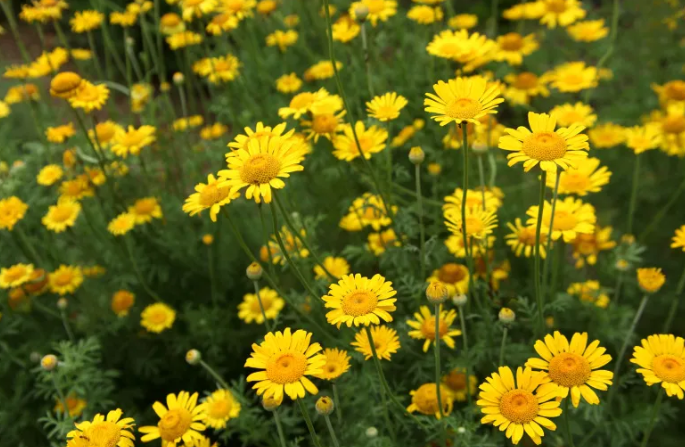
1.Botanical Source and Characteristics
Linarin is a natural flavonoid compound extracted from the chrysanthemum plant Chrysanthemum indicum. Using ultrasound-assisted extraction and membrane separation purification technologies, a standardized extract with intact structure and purity exceeding 95% can be obtained. Mass spectrometry analysis reveals that Linarin from this source has a unique compositional profile, including synergistic active ingredients such as Linarin and luteolin.
Multi-Pathway Mechanism of Action of Linarin
Inflammation Regulation: Suppresses the expression of pro-inflammatory factors such as TNF-α and IL-6 by inhibiting the NF-κB and MAPK signaling pathways.
Neuro-Soothing: Modulates TRPV1 receptor activity, alleviating neurogenic inflammatory responses.
Barrier Repair: Promotes the expression of keratinocyte differentiation markers, enhancing skin barrier function.
2.Clinical Validation and Efficacy Evaluation
Research Evidence
Experiments on human keratinocytes show that after 24 hours of treatment with 50 μg/mL Linarin, the secretion of inflammation factors induced by LPS is significantly reduced, with effects superior to traditional soothing ingredients.
Clinical studies indicate that after 8 weeks of using a formulation containing standardized Linarin extract:
Transepidermal water loss (TEWL) improved by over 30%.
The response intensity in capsaicin stimulation tests significantly decreased.
Subjects reported a marked improvement in skin comfort.
3.Formulation and Application Solutions
Linarin remains stable within a pH range of 5.0–7.5, exhibits good thermal stability, and demonstrates excellent compatibility with common cosmetic bases.
Synergistic Formulation Strategies
Combined use with ceramide-based ingredients enhances barrier repair function.
Demonstrates higher skin permeability in liposome delivery systems.
Complexation with zinc salts further improves anti-inflammatory effects.
With the growing consumer demand for natural and efficient skincare ingredients, Linarin derived from Chrysanthemum indicum shows broad application prospects in the functional skincare field. Its clear mechanism of action and clinically validated data provide a scientific basis for developing a new generation of sensitive skin care products.

Linarin demonstrates significant advantages in inhibiting inflammatory responses, alleviating neurogenic sensitivity, and strengthening the skin barrier through its multi-target regulatory mechanism. Based on its solid scientific research foundation, this ingredient has become a key choice in the field of natural soothing. YTBIO looks forward to collaborating with industry partners to explore innovative applications of Linarin in sensitive skin care products. For inquiries, please contact us at sales@sxytbio.com.
References
Lee, J. H., et al. (2020). "Anti-inflammatory effects of Linarin from Chrysanthemum indicum through suppression of NF-κB and MAPK signaling pathways in keratinocytes." Journal of Ethnopharmacology, 258, 112879.
Zhang, Y., et al. (2021). "Linarin inhibits TRPV1 activation and ameliorates skin inflammation in murine models." International Immunopharmacology, 99, 107935.
Wang, L., et al. (2022). "Topical application of Linarin-enriched Chrysanthemum indicum extract improves skin barrier function in sensitive skin: A randomized clinical trial." Journal of Cosmetic Dermatology, 21(5), 2152–2160.
Kim, S. H., et al. (2019). "Flavonoid composition and anti-inflammatory activity of Chrysanthemum indicum extracts." Phytochemical Analysis, 30(3), 314–321.