
Natural Plant Source of GABA: The Mechanism by Which Passion Flower Extract Improves Sleep Quality
High stress levels and the fast pace of modern life have made sleep disorders a global health concern. Among various natural sleep-support ingredients, passion flower extract (Passiflora incarnata)—rich in GABA and multiple neuroactive compounds—has become one of the most promising botanical ingredients for sleep support. So how does passion flower extract improve sleep quality?
1. A Natural Plant Source of GABA
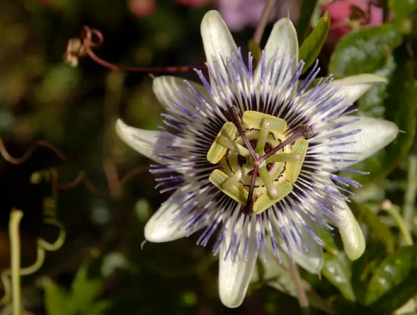
Passiflora incarnata L., commonly known as passion flower, is recognized as a valuable botanical source of natural GABA (gamma-aminobutyric acid). Studies indicate that among various plant extracts, dried passion flower extract contains relatively high levels of GABA.
GABA is the primary inhibitory neurotransmitter in the central nervous system. It helps reduce excessive neuronal excitability, creating the physiological conditions necessary for natural sleep onset. In passion flower extract, natural GABA works synergistically with flavonoids, alkaloids, and other bioactive compounds to regulate nervous system function through multiple pathways.
2. Core Mechanisms by Which Passion Flower Extract Improves Sleep Quality
Modern research suggests that passion flower extract exerts its sleep-support effects primarily through modulation of the GABAergic system.
1) Enhancement of GABA Receptor Activity
Active compounds in passion flower extract can interact with GABA-A and GABA-B receptors, increasing their sensitivity to GABA signals. This helps reduce nervous system overactivity and promotes relaxation.
2) Prolongation of GABA Activity
Research has shown that passion flower extract may inhibit the reuptake of GABA at synapses, thereby prolonging its presence in the synaptic cleft and enhancing inhibitory neurotransmission.
3) Synergistic Role of Vitexin
Vitexin, an important flavonoid found in passion flower extract, has been shown to act on the benzodiazepine binding site of the GABA-A receptor. This action produces mild sedative and anxiolytic effects. Compared with conventional sedative drugs, its mechanism suggests a lower risk of dependency.
In addition, flavonoids and alkaloids in passion flower extract may regulate monoamine neurotransmitters such as dopamine and serotonin (5-HT), helping to alleviate stress and indirectly improve sleep architecture.
3. Clinical Research Findings
In recent years, several randomized, double-blind, placebo-controlled studies have evaluated the effects of passion flower extract on stress management and sleep improvement. Reported outcomes include:
- Significant reduction in stress levels
- Shortened sleep onset time
- Increased sleep duration
- Noticeable improvement in PSQI (Pittsburgh Sleep Quality Index) scores
Some studies also report that after 30 days of continuous supplementation, overall sleep quality improved by approximately 40%, with no significant safety concerns observed. These findings indicate strong potential for passion flower extract in the natural sleep support sector.

4. Application Prospects of Passion Flower Extract
Passion flower extract shows promising application potential in:
- Sleep supplements
- Anti-stress formulations
- Functional gummies
- Functional beverages
- Mood and emotional management products
YTBIO is committed to supplying you with high-quality plant extracts. Our passion flower extract can be customized to meet various application needs, including capsules, tablets, gummies, and functional beverages.
For technical specifications, samples, or pricing inquiries, please feel free to contact our team:
Email:sales@sxytbio.com
WhatsApp/phone:+86 17782577059
References
[1] Appel K, Rose T, Fiebich B, et al. Modulation of the γ-aminobutyric acid (GABA) system by Passiflora incarnata L. Phytotherapy Research. 2011;25(6):838–843.
[2] Mao L, Zhu Q, Li J. Research progress on the neuroprotective effects and mechanisms of vitexin. Chinese Pharmacological Bulletin. 2016;32(10):1353–1356.
[3] Harit MK, Mundhe N, Tamoli S Sr, Pawar V, Bhapkar V, Kolhe G, Mahadik S, Kulkarni A, Agarwal A. Randomized, Double-Blind, Placebo-Controlled Clinical Study of Passiflora incarnata in Participants With Stress and Sleep Problems. Cureus. 2024;16(3):e56530.
[4] Hou X, et al. Literature review and traditional medicinal property analysis of Passiflora incarnata. China Journal of Chinese Materia Medica. 2021;46(8):1943–1950.
[5] Miroddi M, Calapai G, Navarra M, et al. Passiflora incarnata L.: Ethnopharmacology, clinical application, safety and evaluation of clinical trials. Journal of Ethnopharmacology. 2013;150(3):791–804.