



How Does Clove Extract Become a Natural Solution In Food Preservation?
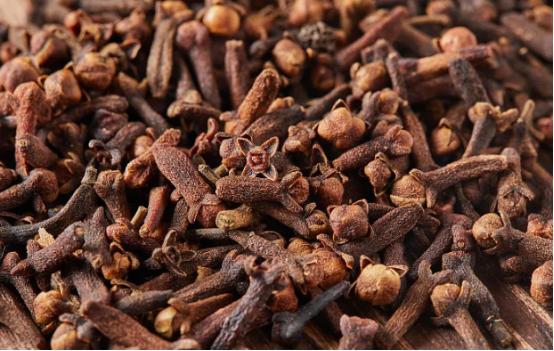
As the food industry shifts from extended shelf life to natural preservation methods, ensuring food safety while reducing the use of synthetic preservatives has become a core focus of the industry. Clove extract, prepared from cloves (Syzygium aromaticum), is gradually being considered a potential natural plant-based preservative ingredient due to its significant antibacterial and antioxidant functions.
I. Natural Preservation Mechanism
The most representative active component in clove extract is eugenol. Studies show that eugenol can inhibit the growth and reproduction of microorganisms through multiple mechanisms:
- Disrupting the structure of microbial cell membranes, altering bacterial morphology and permeability
- Inducing the leakage of intracellular nutrients, leading to microbial metabolic disorders
- Inhibiting bacterial sporulation and proliferation, reducing microbial survival rate
- Interfering with energy metabolism and protein synthesis processes, ultimately inducing apoptosis
This multi-target mechanism makes clove extract less likely to develop resistance, providing a basis for its use as a natural food preservative.
II. Application of Clove Extract in Meat Product Preservation
Meat and meat products are rich in protein and lipids, making them susceptible to microbial growth and lipid oxidation. Studies show that clove extract demonstrates good preservation potential in various meat products:
- Clove extract combined with nisin applied to fresh beef can significantly inhibit microbial growth, reduce the production of alkaline spoilage products, and reduce cooking loss rate, improving meat quality.
- A bio-composite film made with clove extract applied to the surface of meatballs can significantly enhance its antioxidant and antibacterial capabilities, delaying the process of lipid oxidation.
- Adding clove extract to marinated products can effectively reduce the total bacterial count during storage, while improving TBARS value, pH, and water activity, enhancing overall storage stability.
III. Application of Clove Extract in Fruit and Vegetable Preservation
In the preservation of fruits and vegetables, microbial infection is a major cause of spoilage and loss. Clove extract shows potential in controlling various fruit and vegetable pathogens:
- Clove extract can effectively inhibit a variety of fungal and oomycete pathogens. Its hydrophobic active components can attach to the surface of microorganisms, enter the bacterial cells through the cell membrane and membrane-bound enzymes, and cause irreversible damage.
- Clove extract can interfere with fungal glycolysis and energy metabolism, inhibit proton motive force and protein synthesis, ultimately leading to cell metabolic arrest or apoptosis.
- A preservative prepared from chitosan and clove extract can significantly extend the shelf life of strawberries and inhibit gray mold growth.
The above research results indicate that clove extract not only has antibacterial effects but can also, to a certain extent, slow down post-harvest physiological metabolism and disease development in fruits and vegetables.
IV. Application of Clove Extract in the Preservation of Soy Products
Soy products are rich in water, protein, and fat, making them typical perishable products. Studies have found that clove extract has a significant inhibitory effect on common spoilage and pathogenic bacteria in various soy products, with particularly noticeable effects on Staphylococcus aureus and Escherichia coli.
It should be noted that the fat and protein in soy products may adsorb antibacterial components to a certain extent, affecting the actual antibacterial efficiency. This also indicates that in practical applications, formula optimization or compounding techniques are needed to improve the stability and effectiveness of clove extract.
V. Application Potential and Challenges of Clove Extract
Based on existing research, clove extract has shown broad application potential in the preservation of meat products, fruits and vegetables, and soy products, which perfectly matches the current food industry's demand for natural preservatives.
However, its application still needs to address the following issues:
- The impact of different food matrices on antibacterial effects
- Flavor impact and dosage control
- Synergistic application with other natural preservation systems
- Regulatory compliance and standardization issues
Clove extract is gradually transforming from a traditional spice ingredient to a natural food preservative additive. Its future application in the field of food preservation is expected to expand further, providing the food industry with safer and more natural preservation options.

YTBIO has long focused on the production and development of natural plant extracts. For more technical information and pricing, please contact us at sales@sxytbio.com