
Cetyl Tranexamate HCl vs. Tranexamic Acid: How Liposoluble Enhancement Improves the Efficacy of Whitening Ingredients
In the field of skin whitening and spot-reducing ingredients, tranexamic acid has long been regarded as a classic component due to its clear mechanism of inhibiting pigmentation. However, its strong water solubility results in limited transdermal absorption efficiency, which has increasingly become a bottleneck in formulation applications. To address this, cetyl tranexamate HCl – developed through structural modification with liposoluble properties – has emerged as a significant technological advancement in the current landscape of efficacy-driven skincare.

1. Structural Difference: Key Modification from Water-Soluble to Liposoluble
Tranexamic Acid
A water-soluble small molecule that readily dissolves in the aqueous phase of formulations but shows limited efficiency in penetrating the stratum corneum. It often requires penetration-enhancing systems or higher concentrations to achieve effective delivery.
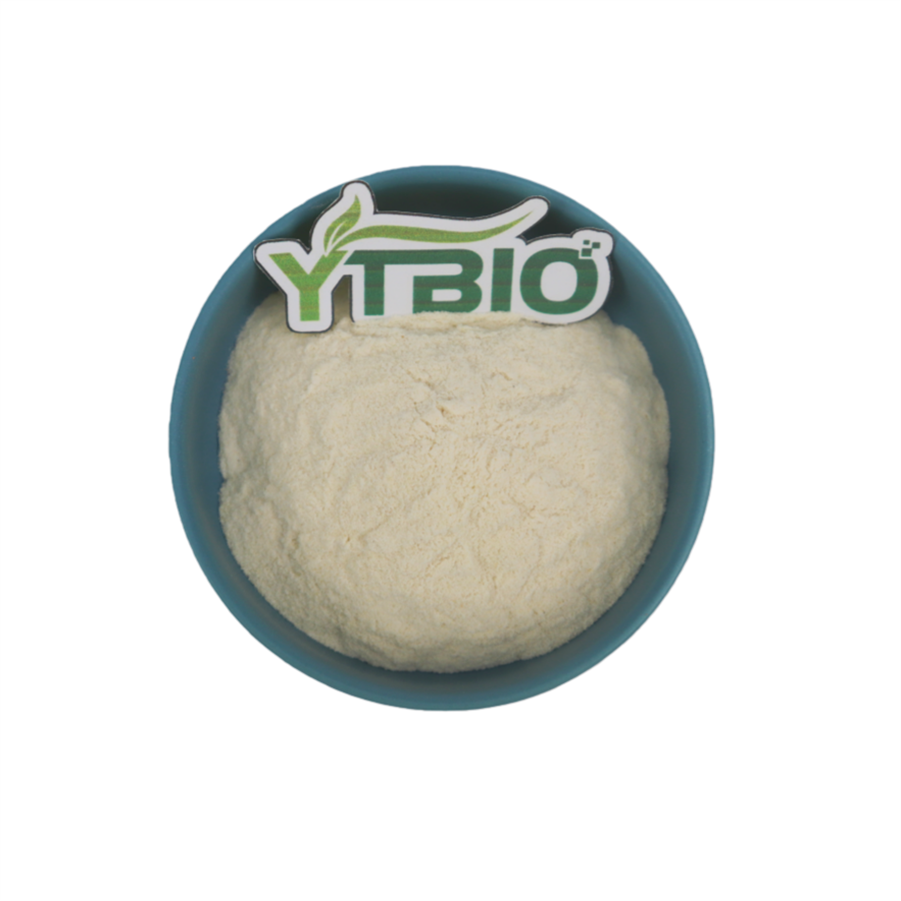
Cetyl Tranexamate HCl
By introducing a cetyl ester chain into the tranexamic acid molecule, its liposolubility is significantly enhanced, allowing it to integrate more easily into the skin's lipid structure. This improves its penetration and retention capabilities in the stratum corneum.
Structure determines behavior: This modification essentially shifts the ingredient from being “water-phase oriented” to “lipid-phase oriented,” laying the foundation for enhanced bioavailability.
2. Penetration and Delivery: A Comparison of Efficiency
| Aspect | Tranexamic Acid | Cetyl Tranexamate HCl |
| Lipophilicity | Low | Significantly enhanced |
| Stratum Corneum Penetration | Dependent on carriers or high concentration | Enhanced autonomous penetration ability |
| Skin Retention Time | Relatively short | Extended, with potential sustained-release effect |
| Effective Concentration Required | Usually higher | May achieve equal or better efficacy even at lower concentrations |
Liposoluble modification not only improves penetration efficiency but may also enable longer-lasting active release through stratum corneum reservoir effects, thereby increasing ingredient utilization.
3. Whitening Mechanism: Same Pathway, Different Efficiency
Both ingredients inhibit pigmentation through the following pathways:
Inhibiting keratinocytes from releasing melanogenic signals such as prostaglandins;
Interfering with tyrosinase activity in melanocytes;
Reducing post-inflammatory hyperpigmentation (PIH), particularly effective in acne mark reduction and post-laser recovery.
The difference lies in:
Tranexamic acid requires sufficient concentration to effectively reach target sites, whereas cetyl tranexamate HCl, with its stronger penetration ability, can more efficiently arrive at the action sites. This may allow comparable or even better whitening and spot-reducing effects at lower concentrations.
4. Formulation Compatibility and User Experience
Tranexamic Acid
Requires higher formulation pH and system compatibility. At high concentrations, it may cause irritation in some individuals. Commonly used in serums, ampoules, and other aqueous-based formulations.
Cetyl Tranexamate HCl
Its liposoluble nature allows easier integration into oil phases, creams, facial oils, and O/W emulsions. It offers good stability, and due to improved penetration efficiency, dependence on high concentrations can be reduced, helping to lower irritation potential. This makes it more suitable for sensitive skin whitening, long-term spot correction, and high-end efficacy-oriented products.
5. Recommended Application Directions
| Product Type | Tranexamic Acid | Cetyl Tranexamate HCl |
| Efficacy Serums | ✔ Suitable | ✔✔ Better penetration |
| Spot-Reducing Creams/Lotions | ✔ May require penetration enhancers | ✔✔✔ Strong autonomous penetration |
| Whitening Products for Sensitive Skin | △ Requires careful concentration assessment | ✔✔ Lower irritation potential |
| High-End Efficacy Skincare | △ Limited | ✔✔✔ Clear technological differentiation |
The current whitening market competition has shifted from focusing solely on single-ingredient efficacy to comprehensive upgrades in delivery efficiency, stability, and user experience. Cetyl tranexamate HCl is a representative of this trend – through liposoluble modification of the molecular structure, it allows classic active ingredients to deliver greater value in new formulations and product types.

YTBIO continues to focus on structural optimization and delivery innovation of efficacy ingredients. We are committed to providing high-purity, high-stability cetyl tranexamate HCl raw materials, accompanied by technical documentation and formulation recommendations, to help customers achieve genuine technological differentiation and product competitiveness in the whitening and spot-reducing market.
For further details on specifications, samples, or application support for this ingredient, please feel free to contact us:sales@sxytbio.com