
Glycyrrhizinate Powder CAS 1405-86-3
What is Glycyrrhizinate?
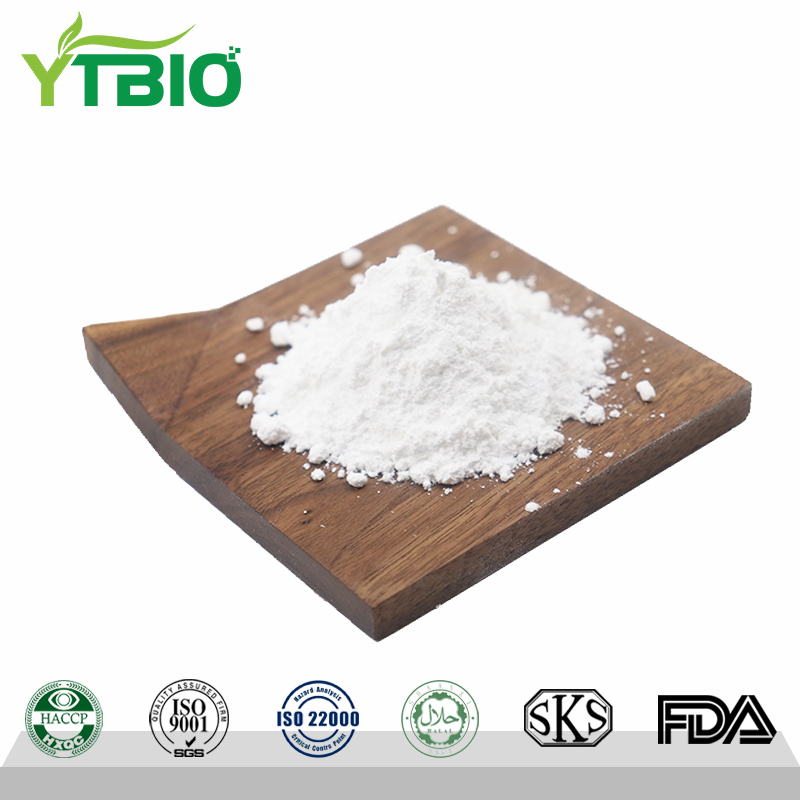
Glycyrrhizic acid, derived from the roots and rhizomes of the leguminous plant Glycyrrhiza uralensis, is the primary active ingredient in licorice, comprising approximately 10% of the root. It is a glycoside composed of glycyrrhetinic acid and two molecules of glucuronic acid. It is a white to slightly yellowish crystalline powder, odorless, with a distinctive sweetness approximately 200 times that of sucrose. Unlike other sweeteners like sucrose, its sweetness takes a while to develop, but it lingers for a long time. Its aqueous solution is weakly acidic, with a pH of 2.5-3.5 for a 2% solution. It is poorly soluble in water and dilute ethanol. It is readily soluble in hot water and forms a viscous jelly upon cooling. Glycyrrhizic acid is a triterpenoid saponin. Other glycyrrhizin compounds include glycyrrhizin and isoliquiritigenin. Extracted from licorice, glycyrrhizic acid has a distinctive sweetness and is primarily used in food, but also in other industries such as medicine, cosmetics, and tobacco.
The weight loss mechanism and health benefits of hydroxycitric acid
Anti-inflammatory Effects
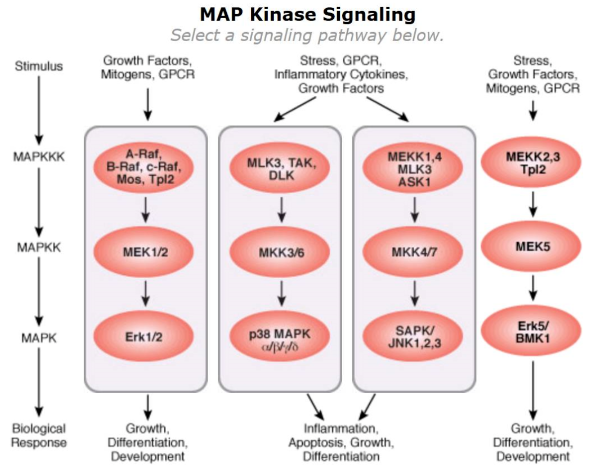
Glycyrrhizic acid has a well-defined anti-inflammatory mechanism. It inhibits the metabolic levels of key inflammatory signaling pathways, including phospholipase A2/arachidonic acid (PLA2/AA), NF-κB, and MAPK/AP-1, induced by inflammatory stimuli, at the initial stages. This inhibits the activity of inflammatory signaling pathways involved in these three pathways, downregulating the expression of upstream proinflammatory cytokines, including TNF-α, IL-8, IL-1β, IL-6, related chemokines, and cyclooxygenase (COX). It also blocks downstream inflammatory pathways, including the production of nitric oxide (NO), prostaglandins (PGs), and reactive oxygen species (ROS).
Antioxidant Effects
Glycyrrhizic acid induces the production of two enzymes and antioxidant enzymes. The former primarily detoxifies and excretes carcinogens and toxic substances, while the latter maintains a balanced intracellular environment between free radicals/oxidants and antioxidants.
Antiviral Effects
Most viruses undergo a six-step replication process: adsorption, invasion, uncoating, biosynthesis, assembly, and release. Adsorption is crucial for infection success and is central to their specificity. Viral attachment to cells requires specific alignment between the viral surface proteins and cell surface receptors. This is like docking a spacecraft with a space station—a precise match is required. Existing literature suggests that the novel coronavirus 2019-nCoV achieves specific attachment through the interaction between its spike protein and the human ACE2 protein.
Glycyrrhizic acid not only inhibits viral replication but also inhibits viral attachment and membrane penetration in the early stages of viral replication. It also interferes with viral DNA and RNA replication, thereby inhibiting viral proliferation and protecting cells from viral damage.
Liver Protection
Research has shown that glycyrrhizic acid exhibits potent hepatoprotective activity in several animal models of hepatitis. In liver injury induced by lipopolysaccharide (LPS) and D-galactosamine (GalN), glycyrrhizic acid completely inhibits the IL18-induced increase in ALT. Glycyrrhizin can alleviate liver damage (histology, liver enzymes) induced by hepatic microcirculatory ischemia-reperfusion (I/R) and reduce hepatocyte apoptosis, thereby exerting its hepatoprotective effect by reducing microcirculatory changes and preventing endothelin interactions.
Applications
The application ratios of glycyrrhizic acid in various industries are as follows: 26% in pharmaceuticals and cosmetics, 70% in food, and 4% in cigarettes and other applications.
In Food:
1. Soy Sauce: In addition to improving the saltiness and enhancing the inherent flavor of soy sauce, glycyrrhizic acid can also eliminate the bitterness of saccharin, enhancing the synergy of chemical flavorings.
2. Pickles: When used in conjunction with saccharin in pickling, it can eliminate the bitterness of saccharin. During the pickling process, it can overcome the problems of fermentation failure, discoloration, and hardening that can occur with insufficient sugar.
3. Seasoning: This product can be added to pickling seasonings, seasoning powders, or as a temporary seasoning for food, enhancing sweetness and reducing the unpleasant taste of other chemical flavorings.
4. Bean Paste: Using this product in pickled herring can enhance the sweetness and smooth the flavor.
In Pharmaceutical Cosmetics:
1. Glycyrrhizic acid is a natural surfactant, and its aqueous solution has weak foaming properties. 2. It possesses AGTH-like biological activity, with strong antibacterial and anti-inflammatory properties. It is commonly used to treat mucosal diseases and, in oral hygiene products, can prevent caries and mouth ulcers.
3. It has a wide range of compatibility and, in skincare products, can enhance the efficacy of other active ingredients in sun protection, whitening, itching, conditioning, and scar healing.
4. It can be used in combination with aescin and esculin as a highly effective antiperspirant.
