Looking ahead to 2026, getting your hands on high-quality Cinnamon Extract is gonna be more important than ever. Did you know that the worldwide market for herbal extracts—stuff like cinnamon powder—is expected to hit around $6 billion by 2027? That’s what industry reports are saying. It really shows how people are shifting towards natural ingredients for their food and supplements—pretty exciting, right?
But here’s the thing: not all cinnamon extracts are equal. If you want the best, you gotta pay attention to where and how they're sourced. Poor sourcing can lead to products that just don’t perform or taste right. The folks at the Institute of Food Technologists emphasize that transparency is key—showing your supplier’s extraction methods and quality checks really builds trust with customers.
Of course, this market isn’t without its hurdles. Cinnamon prices can bounce around, and that can affect supply. Plus, choosing suppliers who prioritize quality assurance is super important. It’s worth taking the time to do your homework on potential partners—trust me, it pays off. Ethical sourcing isn’t just good vibes; it actually boosts your brand’s image and helps you keep a steady flow of top-notch cinnamon extract. So, yeah, staying picky and transparent now will definitely save you headaches down the road.
The market demand for cinnamon extract is projected to grow significantly in 2026. As consumers become more health-conscious, the appeal of cinnamon's potential benefits draws attention. Research indicates that the global cinnamon extract market could reach USD 700 million by 2026, expanding at a CAGR of 5.6% from 2021. A notable shift in dietary supplements shows a 35% increase in interest among consumers seeking natural products.
Many industries utilize cinnamon extract. Food and beverage manufacturers incorporate it for flavoring and health benefits. The pharmaceutical sector also aims to harness its potential. Demand for organic and sustainably sourced cinnamon extract is on the rise. This highlights the importance of transparency in sourcing standards. However, challenges remain. Variability in quality standards and regulatory differences can impact sourcing efforts.
Data from recent consumer surveys reveal that 72% of respondents prefer products with clearly described sourcing practices. This trend emphasizes the necessity for manufacturers and suppliers to enhance their quality assurance mechanisms. Navigating this evolving market demands not only awareness of current trends but also a commitment to continuous improvement. Understanding these dynamics fosters trust and builds long-term customer loyalty.

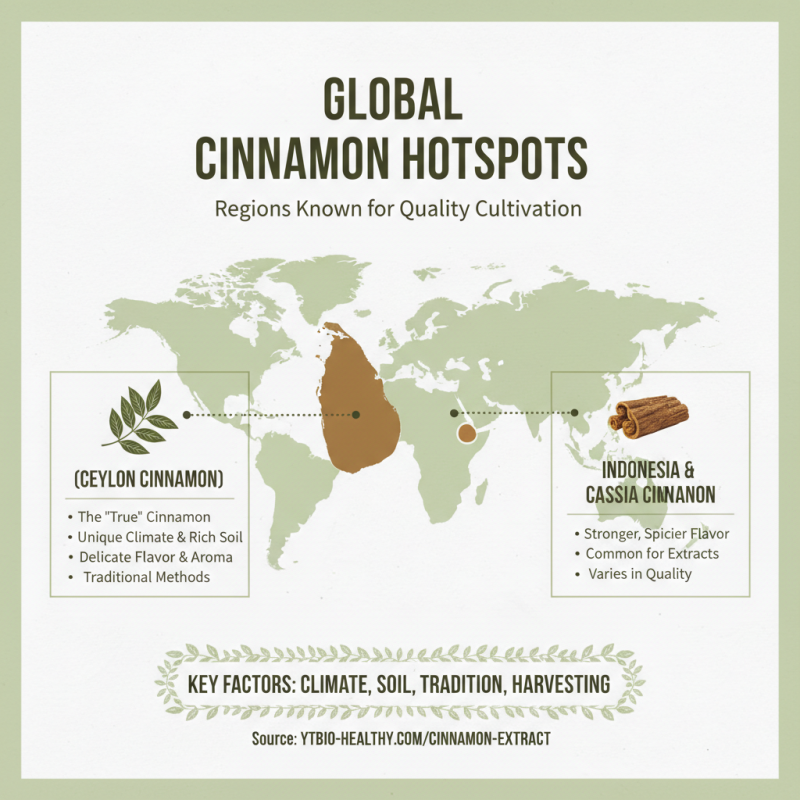
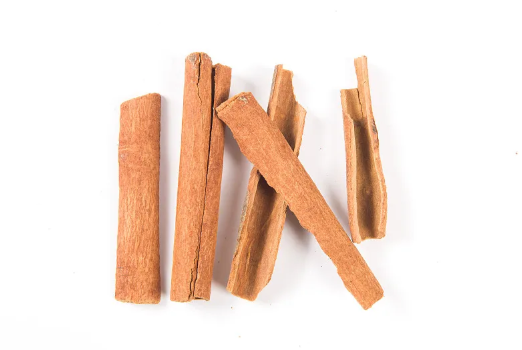
When sourcing high-quality Cinnamon Extract, it’s essential to focus on specific regions renowned for their exceptional cinnamon cultivation. Ceylon cinnamon, often considered the "true" cinnamon, thrives primarily in Sri Lanka. The unique climate and rich soil in this area contribute to the distinctive flavor and aroma of the cinnamon. Farmers in these regions often preserve traditional cultivation methods, further enhancing the quality of their product. However, monitoring and ensuring appropriate harvesting techniques can be challenging.
Another notable region is Indonesia, where Cassia cinnamon is predominantly grown. This cinnamon type is more pungent and often less expensive than Ceylon. Indonesian farmers frequently practice crop rotation, which may improve soil health and cinnamon quality over time. Yet, the standardization of quality can be an issue, as practices vary among producers. Buyers must conduct thorough quality assessments while connecting with local farmers to ensure the best sourcing practices.
Awareness of where cinnamon is grown plays a crucial role in acquiring quality cinnamon extract. Understanding regional cultivation methods reveals insights into the final product's qualities. Connecting directly with local producers can bridge gaps in quality assurance. While one may recognize the potential for high-quality cinnamon, navigating these regional nuances requires diligence and an openness to learning.
When sourcing high-quality cinnamon extract in 2026, evaluating extraction methods is crucial. Different methods can significantly impact the quality and purity of Cinnamon Bark Extract. Steam distillation is one well-known method. However, it may not produce the highest levels of active compounds.
Cold pressing is another technique. This method preserves essential oils while minimizing heat exposure. A study indicates that cold-pressed extracts boast higher antioxidant levels. One report noted that these extracts can contain up to 25% more bioactive compounds than those obtained through boiling methods. This discrepancy highlights how extraction affects potency and efficacy.
Solvent extraction, often utilizing ethanol, is also prevalent. This method can yield a concentrated product. However, the choice of solvent is critical. Some solvents may leave behind undesirable residues. A focus on clean extraction processes is vital for ensuring the integrity of cinnamon bark extract. Manufacturers should emphasize transparency in their extraction methods to build trust with consumers. The conversation around extraction methods must evolve, ensuring they meet desired quality and purity standards.
| Extraction Method | Quality Level | Purity (%) | Yields (%) |
|---|---|---|---|
| Steam Distillation | High | 95 | 10 |
| Solvent Extraction | Medium | 85 | 15 |
| Cold Pressing | Medium-High | 90 | 8 |
| Maceration | Low | 70 | 5 |

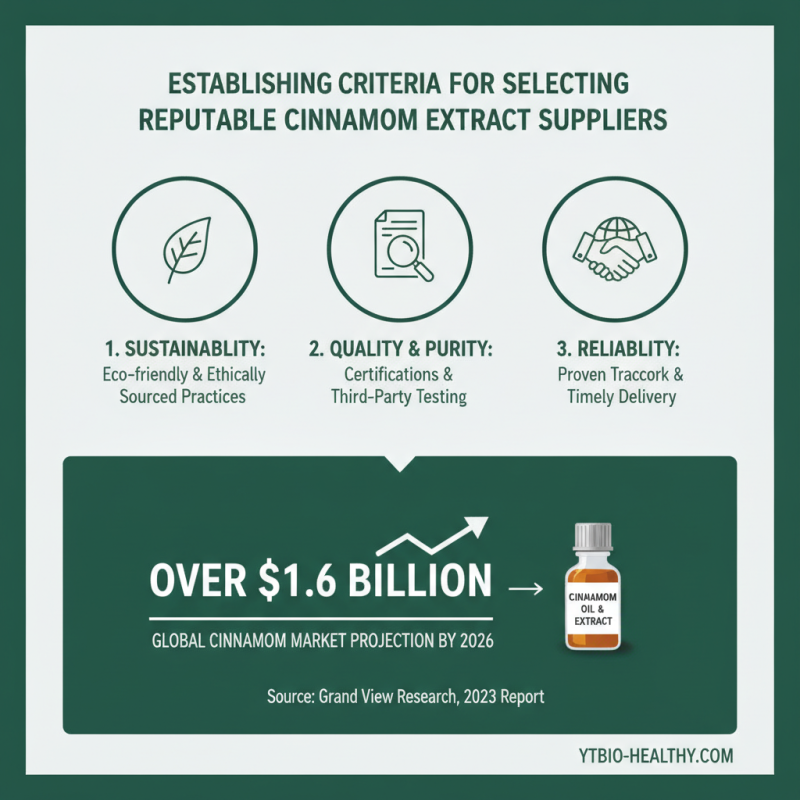
When sourcing high-quality cinnamon extract, selecting reputable suppliers is crucial. The industry shows a growing preference for sustainably sourced ingredients. According to a 2023 report from Grand View Research, the global cinnamon market is projected to reach over $1.6 billion by 2026. This statistic highlights the increasing demand for quality Cinnamon Oil and extract.
One of the primary criteria to consider is certification. Look for suppliers with certifications such as organic, non-GMO, or fair trade. These credentials indicate adherence to specific quality and ethical standards. Research shows that 78% of consumers are willing to pay more for certified products. This preference drives suppliers to maintain high quality.
Transparency in sourcing practices is vital. Suppliers should provide detailed information about their sourcing regions and extraction processes. Many high-quality cinnamon extract suppliers share third-party lab testing results. This practice ensures that their products are free from contaminants. However, not all suppliers offer this transparency, which can be a red flag. It's essential to weigh the benefits of strong supplier relationships against potential risks. After all, a lack of diligence in selection can lead to inconsistent product quality.
Quality control tests are essential when sourcing cinnamon extract. These tests ensure that the extract meets industry standards. First, verify the source of your cinnamon. Real Ceylon cinnamon is known for higher quality. It contains a higher concentration of beneficial compounds.
Conducting chemical analysis can reveal the presence of Cinnamon Polyphenol. This antioxidant is vital for health benefits. A laboratory can assess the polyphenol content. Look for at least a specified percentage during testing. It may vary from batch to batch.
Sensory evaluation is another important test. Inspect the color, aroma, and taste of the cinnamon extract. A high-quality extract should have a rich, warm scent. Any off-putting odor may indicate contamination or poor quality. Additionally, conducting microbiological tests is crucial. Contaminants can compromise safety and efficacy.
Overall, meticulous testing ensures that you source the best cinnamon extract available.
When sourcing high-quality cinnamon extract, understanding regulatory compliance is crucial. In 2026, the focus on safety and efficacy in herbal products is intensifying. Manufacturers must ensure their cinnamon extracts meet local and international regulations. This involves rigorous testing and transparent labeling.
Tips: Always check for third-party testing certificates. These documents verify the purity and potency of the extract. Transparency builds trust with consumers. Additionally, familiarize yourself with Good Manufacturing Practices (GMP). Adherence to these practices can enhance product credibility.
Many suppliers may not fully understand compliance requirements. This can lead to challenges. Quality control measures are essential but sometimes overlooked. They can be costly yet help avoid legal troubles later. Engage with suppliers who prioritize quality over shortcuts. A reliable partner will help navigate complex regulations effectively.
Sourcing high-quality cinnamon extract by 2026 requires a deep dive into sustainable practices. The cinnamon supply chain is intricate and often overlooked. Many farmers in tropical regions rely on traditional methods for cultivation. This can lead to deforestation and soil depletion. Sustainable practices can mitigate these issues while ensuring product quality.
Farmers must adopt eco-friendly cultivation methods. This includes reducing chemical use and promoting biodiversity. Training programs can equip local farmers with knowledge. Teaching agroforestry techniques is essential. These methods encourage healthier soil and better yields. Partnerships with local communities play a vital role in this process.
Transparency in the supply chain is crucial. Tracking sources is necessary to ensure sustainability. Technology can aid in monitoring practices and certifications. However, some challenges remain. Not all suppliers are willing to adapt to new standards. Engaging with stakeholders and creating incentives could foster change. Collaboration in the industry will likely lead to a more sustainable future for cinnamon production.
: Reputable suppliers ensure high-quality products and adherence to ethical standards.
Look for organic, non-GMO, or fair trade certifications. These indicate quality and ethical sourcing.
About 78% of consumers prefer to pay more for certified products, reflecting increased demand for quality.
Transparency helps confirm the quality and safety of products, preventing potential contaminants.
Sustainable practices protect the environment and promote better product quality, preventing issues like deforestation.
Farmers should reduce chemical use and enhance biodiversity through agroforestry techniques.
Technology can help track sourcing and monitor supplier practices, ensuring adherence to sustainable standards.
Some suppliers resist adapting to new sustainable standards, hindering the shift toward eco-friendly practices.
Partnerships with local communities enhance knowledge sharing and promote better farming techniques.
Engaging stakeholders and offering incentives can encourage suppliers to adopt sustainable methods.
In 2026, the demand for high-quality cinnamon extract is expected to grow significantly, necessitating a comprehensive understanding of market trends and regional cultivation practices. Key areas known for high-quality cinnamon include Sri Lanka and Madagascar, where specific conditions foster optimal flavor and potency. Evaluating extraction methods will be crucial, as traditional processes often yield better quality and purity compared to industrial techniques.
Selecting reputable suppliers is vital for ensuring the integrity of cinnamon extract, with strict criteria needed for supplier evaluation. Quality control tests should be conducted to verify the extract's composition and effectiveness, while also ensuring compliance with relevant regulations. Additionally, sustainability in the cinnamon supply chain is increasinGly important, promoting ethical sourcing and environmental responsibility which will resonate with consumers in 2026. Overall, a strategic approach to sourcing high-quality cinnamon extract will benefit businesses and meet evolving market demands.
Contact us
Telephone/WhatsApp:+8617782577059
Email:sales@sxytbio.com