You know, Sodium Caseinate is this pretty versatile protein that comes from milk. It’s pretty interesting because its unique properties make it useful across different industries. And honestly, in 2026, more buyers are really starting to pay attention to what this protein can do for them.
It’s got some pretty cool qualities—like helping with emulsification and stability—which means it can really improve the texture of foods and even help them last longer on the shelf. Plus, it’s a good source of essential amino acids, so it’s not just about texture — it adds nutritional value, which is a big plus for folks who are into healthy eating.
That said, it’s important for buyers to look into how it’s sourced and made. Not all Sodium Caseinate is created equal — some products are better than others. Knowing the production process and being transparent really helps brands build trust with their customers. All in all, Sodium Caseinate definitely has a lot of potential, but being careful and doing your homework when choosing is super important.

What is Sodium Caseinate?
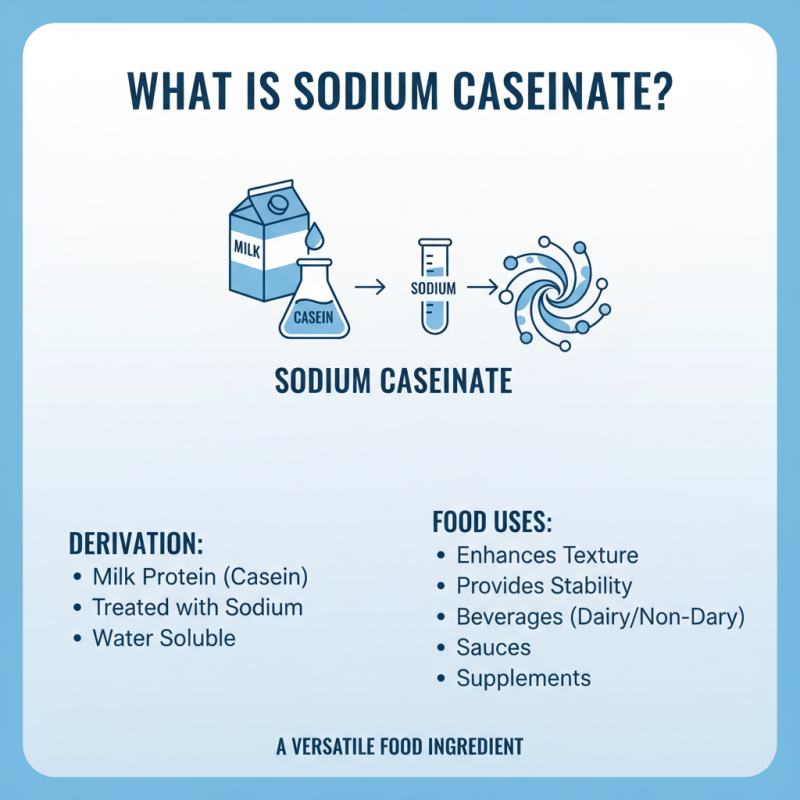
Sodium caseinate is a milk protein derived from casein, the primary protein in dairy. This ingredient is created by treating casein with sodium, making it soluble in water. It serves multiple purposes in food production, enhancing texture and stability in various products. It is particularly popular in dairy and non-dairy beverages, sauces, and supplements.
Buying sodium caseinate can offer notable benefits. It has excellent emulsifying properties, improving the mix between water and fats. Additionally, it is a source of protein, which supports muscle maintenance and overall health. This is important for athletes and health-conscious individuals. However, the reliance on sodium caseinate might not suit everyone, particularly those with lactose intolerance or dairy allergies.
The versatility of sodium caseinate is both a strength and a potential weakness. Not all consumers may be aware of its presence in processed foods. Transparency in labeling is crucial, as some may prefer natural alternatives. Balancing its benefits against individual dietary needs can guide informed purchasing decisions in 2026.
Chemical Composition and Properties of Sodium Caseinate
Sodium caseinate is a milk protein derived from casein. It is widely used in food formulations and nutritional supplements. The chemical composition consists of a complex blend of amino acids, including essential ones that support muscle growth and repair. The properties of sodium caseinate make it an excellent emulsifier and stabilizer in various products.
When examining the attributes of Sodium Caseinate Powder, one can appreciate its functional benefits. It dissolves easily in water, creating a smooth texture. This property is essential for food products like sauces and soups. Additionally, sodium caseinate offers a good source of protein for those looking to enrich their diets. However, it is worth noting that some individuals may have sensitivities or allergies to dairy proteins.
The versatility of sodium caseinate powder also extends to its role in food processing. It helps improve the shelf life of products by preventing spoilage. Despite these benefits, producers must carefully consider sourcing and quality control. Using sodium caseinate responsibly is crucial. The balance between safety and innovation should always be maintained in its application.
Sources and Production Methods of Sodium Caseinate
Sodium caseinate is derived from milk protein. It is produced through the process of acidification and coagulation. Initially, milk is treated with acid to precipitate the casein proteins. After separation, these proteins are dried to form sodium caseinate. This method ensures high-quality protein while preserving the essential amino acids.
Sodium caseinate's applications are diverse. It is widely used in the food industry as a thickening agent and emulsifier. It enhances texture and stability in products like cheese and sauces. Many buyers favor this ingredient because it is easily digestible and promotes muscle health. InterestinGly, some producers are exploring alternatives likeSodium Alginate for similar uses.
While sodium caseinate offers numerous benefits, there are considerations. It may not suit everyone, particularly those with dairy allergies. The sourcing and production methods can also vary, influencing quality. Buyers must be thoughtful about their choices in sourcing. This reflection on sourcing methods and ingredient alternatives can help ensure informed decisions.
Nutritional Benefits of Sodium Caseinate for Consumers
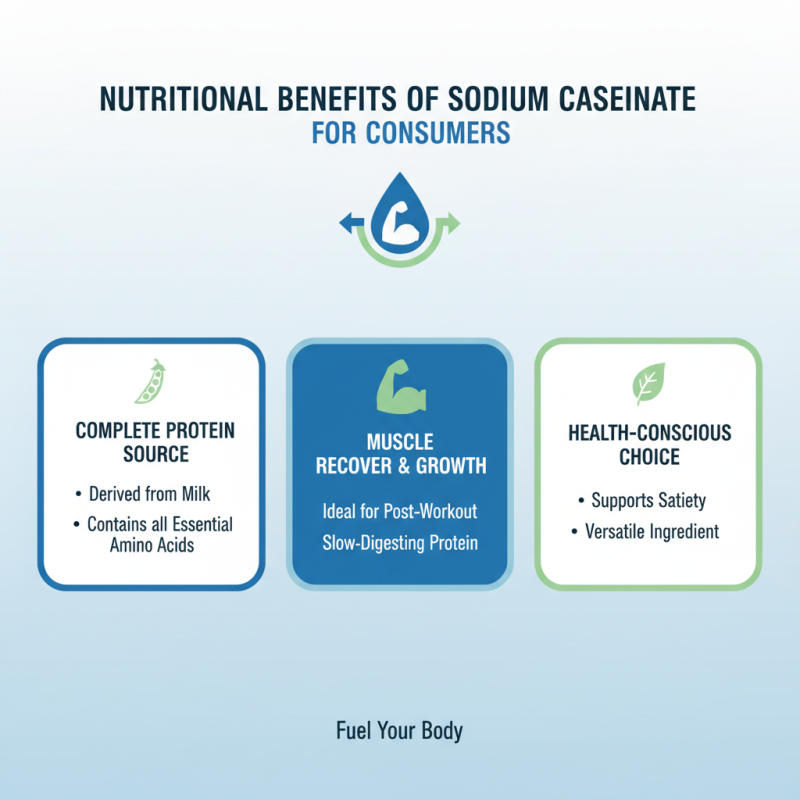
Sodium caseinate is a fascinating protein derived from milk. It offers various nutritional benefits that appeal to health-conscious consumers. For many, it serves as an important source of complete protein, rich in essential amino acids. This makes it popular among those looking to enhance their muscle recovery after workouts.
One of the key benefits is its slow digestion rate, which helps sustain energy levels throughout the day. This feature is particularly attractive for athletes and fitness enthusiasts. Some may find it less appealing due to potential lactose intolerance, as sodium caseinate contains minimal lactose. Those with digestive sensitivities should approach it cautiously.
Additionally, sodium caseinate interacts well with ingredients like Sodium L-Aspartate, a supplement known for its potential energy-boosting properties. Pairing them could amplify benefits, but some users might prefer to experiment to find what works best for them. While sodium caseinate is generally regarded as safe, individual experiences can vary. Consulting with a nutrition expert remains prudent for optimal health choices.
Applications of Sodium Caseinate in Food and Beverage Industry
Sodium caseinate is gaining traction in the food and beverage industry. This versatile protein, derived from milk, offers various applications. Its ability to enhance texture and stability in products is noteworthy. Sodium caseinate acts as an emulsifier, helping mix ingredients that normally separate.
In dairy products, it improves creaminess and mouthfeel. As a food additive, sodium caseinate helps maintain moisture in baked goods. It can also aid in creating a smooth texture in sauces and soups. The protein enhances the nutritional profile, making it appealing to health-conscious consumers.
However, not every application may be suitable. Some may find it adds an unwanted flavor to certain foods. Others might question its compatibility with vegan options. Careful consideration is essential when integrating sodium caseinate into new formulations. Its unique properties can yield significant benefits, but they must be weighed against potential drawbacks.
Market Trends and Buyer Considerations for Sodium Caseinate in 2026
Sodium caseinate is gaining traction in various industries, especially food and pharmaceuticals. In 2026, market trends show an increasing demand for protein-based ingredients. Health-conscious consumers are leaning towards products that contain sodium caseinate due to its excellent emulsifying and water-binding properties. This protein enhances texture and improves the nutritional profile of food items.
Buyer considerations must include the growing emphasis on plant-based diets. As sodium caseinate, derived from casein, primarily found in milk, is not vegan, consumers are more discerning. They want transparency regarding sourcing and production methods. Another important factor is the sustainability aspect. Buyers are reflecting on the environmental impact of dairy production, which can influence their purchasing decisions.
Pricing remains a crucial consideration. While sodium caseinate generally offers cost advantages, fluctuations may arise based on supply chain dynamics. Ultimately, potential buyers need to balance quality with ethical sourcing. Rethinking options may be necessary to align with evolving consumer demands and values.
Potential Health Impacts and Safety of Sodium Caseinate Consumption
Sodium caseinate is a milk-derived protein widely used in food products. It offers various health benefits when consumed appropriately. However, consumers must understand potential health impacts. Research suggests that sodium caseinate may promote muscle growth and assist in weight maNAGement. It is rich in essential amino acids, which are crucial for overall health. This makes it appealing for athletes and active individuals aiming to enhance their diets.
While sodium caseinate can be beneficial, it is not without concerns. Some individuals may experience digestive issues, such as bloating or discomfort. Allergies to dairy products are another risk factor. Those with lactose intolerance should proceed with caution. Furthermore, Sodium Alginate Powder is often compared to sodium caseinate. It is derived from seaweed and serves different functions in food production. Understanding these distinctions helps buyers make informed choices.
Consumers should consider both benefits and potential drawbacks. It is essential to assess an individual's dietary needs. Clinical studies can provide insights into long-term effects. Staying informed ensures safer consumption of sodium caseinate. This is particularly important as dietary trends evolve. Responsible consumption leads to better health outcomes.
Sodium Caseinate Benefits and Consumption Trends in 2026
The chart above illustrates various benefits of sodium caseinate, rated on a scale from 1 to 10 based on consumer feedback and health impact assessments. These benefits include high protein content, excellent digestibility, its role as a calcium source, assistance in weight management, and enhancement of flavor in food products. As sodium caseinate consumption increases in 2026, understanding these benefits is crucial for informed purchasing decisions.
FAQS
: Sodium caseinate is a milk protein derived from casein. It enhances texture and stability in food products.
It provides complete protein and essential amino acids. It supports muscle recovery and energy levels.
Athletes and health-conscious individuals may benefit from its protein and energy-sustaining properties.
Those with lactose intolerance or dairy allergies should approach it cautiously. Individual reactions can vary.
It has excellent emulsifying properties, improving the mix of water and fats in products like beverages and sauces.
There’s a rising demand for protein-based ingredients. Consumers are increasingly looking for transparency in sourcing.
No, sodium caseinate comes from milk, so it is not vegan-friendly. Consumers may prefer plant-based alternatives.
Sodium caseinate can be cost-effective, but prices may fluctuate. Buyers need to balance cost with quality.
Environmental impact and ethical sourcing are important. Consumers are becoming more discerning about production methods.
It’s wise to consult nutrition experts to align consumption with personal health needs and dietary preferences.
Conclusion
Sodium Caseinate is a milk-derived protein that serves as a valuable ingredient in various food and beverage applications due to its unique chemical composition and functional properties. Produced through the process of acidification and neutralization of casein, it not only enhances the nutritional profile of products but also improves texture and stability.
In 2026, the market trends indicate a growing demand for Sodium Caseinate among consumers, driven by its nutritional benefits, including its role as a complete protein source rich in essential amino acids. As more buyers consider health impacts, safety, and application versatility in food formulations, Sodium Caseinate is likely to become an essential ingredient in the development of healthier, functional food products. Its potential to enhance both taste and nutritional value makes it an important consideration for manufacturers in the evolving food industry landscape.