

Beta Caryophyllene
beta-Caryophyllene: Introduction
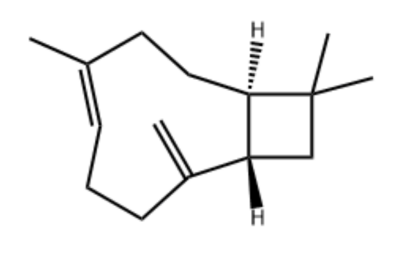
β-Caryophyllene is a naturally occurring bicyclic sesquiterpene compound with the chemical formula C15H24 and CAS number 87-44-512. It is the most widely used of the three isomers of caryophyllene and is of particular interest in the fragrance industry. β-Caryophyllene has been approved for use as an edible flavoring in China and is used in the food industry to blend flavorings such as clove, pepper, and citrus. It is also used in the daily chemical industry to formulate perfumes, cosmetics, and air fresheners.
Natural Sources
This compound is widely found in various plants, primarily including:
· Clove leaf oil, clove stem oil
· Cinnamon leaf oil, Ceylon cinnamon oil
· Pepper oil, lavender oil, thyme oil
· Fruit oil from lemon, raspberry, blackcurrant, etc.
βeta-Caryophyllene: Bioactive Properties
Core Anti-inflammatory and Immunomodulatory Effects: By activating the CB2 receptor, it effectively inhibits the release of key pro-inflammatory factors such as TNF-α and IL-6, exerting a significant systemic anti-inflammatory effect without involving psychoactive activity.
Analgesic and Neuroprotective Effects: Based on the regulation of CB2 receptors in the nervous system, it can participate in the relief of neuropathic pain and chronic pain, and has a potential protective effect against neuroinflammation.
Antioxidant and Cell Protection: It can scavenge free radicals, reduce oxidative stress damage, and provide protection for cells.
Skin Penetration Enhancement and Repair: It can gently enhance the permeability of the stratum corneum, promoting the transdermal absorption of other active ingredients. Its anti-inflammatory properties also contribute to the soothing and repair of the skin barrier.
Potential Anti-cancer Adjuvant Activity: Some studies suggest it may affect certain cancer cells through inducing apoptosis and inhibiting proliferation, and may enhance the sensitivity to chemotherapy drugs; however, this is still in the early stages of research.
βeta-Caryophyllene: Application Areas
Due to its unique aroma and bioactivity, its applications are expanding from traditional fields to the broader health and wellness sector:
Fragrances and Perfumes: As a natural fragrance, its woody, spicy, and peppery aromas are widely used in the flavoring of high-end perfumes, cosmetics, and personal care products.
Functional Skincare Products: As a soothing and anti-inflammatory ingredient and a natural penetration enhancer, it is used in the formulation of products for sensitive skin care, anti-inflammatory serums, and products that enhance efficacy.
Pharmaceutical and Health Product Development: It is a key lead compound or functional ingredient for developing novel anti-inflammatory, analgesic, and neuroprotective drugs, and is also found in related dietary supplements.
Food Industry: As a permitted edible flavoring according to national standards, it is used to flavor foods with spicy, citrus, and other aromatic properties.
Usage Suggestions
β-Caryophyllene is commonly found in plant essential oils, food flavorings, and cosmetics. The following are usage suggestions for reference only:
1. Essential Oil Use
Diffusing: Add 3-5 drops of essential oils containing β-caryophyllene (such as Cuban balsam, black pepper, cananga oil, etc.) to an aromatherapy diffuser or diffuser to help relax the mind and body, soothe emotions, and improve the atmosphere of a room.
Topical Application: Dilute for skin care. Mix 1-2 drops of essential oil with a carrier oil (such as coconut oil, jojoba oil) in a ratio of 1:3 to 1:5 and apply to joints, muscles, or areas of skin requiring soothing to relieve pain and promote skin repair.
2. Food Flavoring
It can be added as a natural flavoring to beverages, desserts, or cooking to add a unique flavor. For example, adding 1-2 drops of essential oil containing β-caryophyllene (such as cananga oil) when making tea drinks, puddings, or cakes can enhance the taste and provide potential health benefits.
3. Cosmetic Use
For homemade skincare products, β-caryophyllene can be added at a ratio of 0.5%-10% to the formula of creams, lotions, and masks to enhance the product's antioxidant, soothing, and transdermal absorption effects. However, individual skin reactions should be monitored, and those with sensitive skin should perform a patch test first.
The above suggestions are based on existing research and common uses. Actual use should be based on individual circumstances and with caution. For medical or special purposes, it is recommended to follow professional guidance.

