


Sugar-Free Iron Gummies Move Into the Mainstream — and Chelated Iron Is the Reason
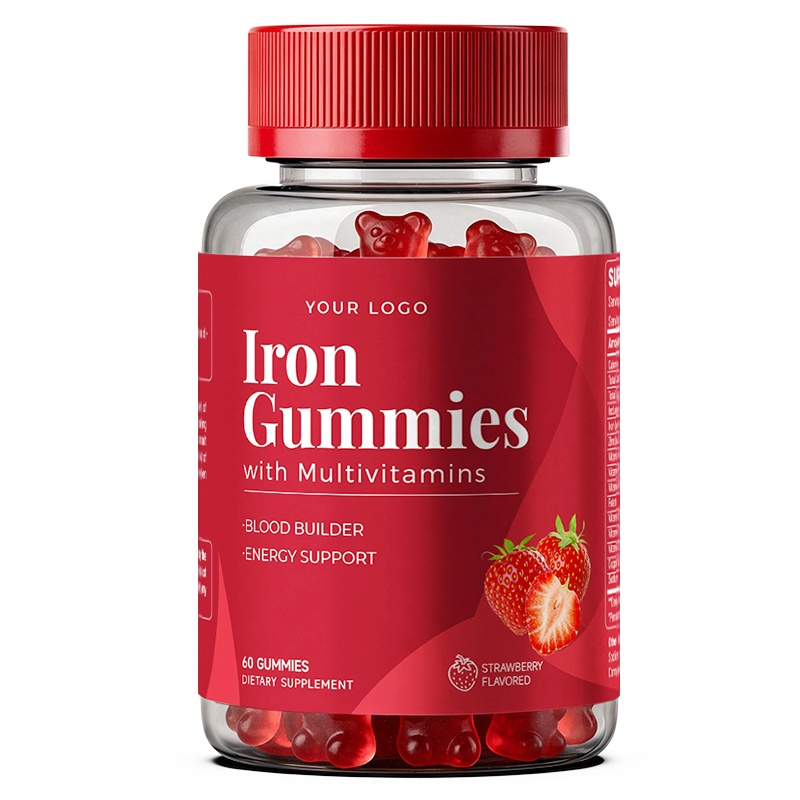
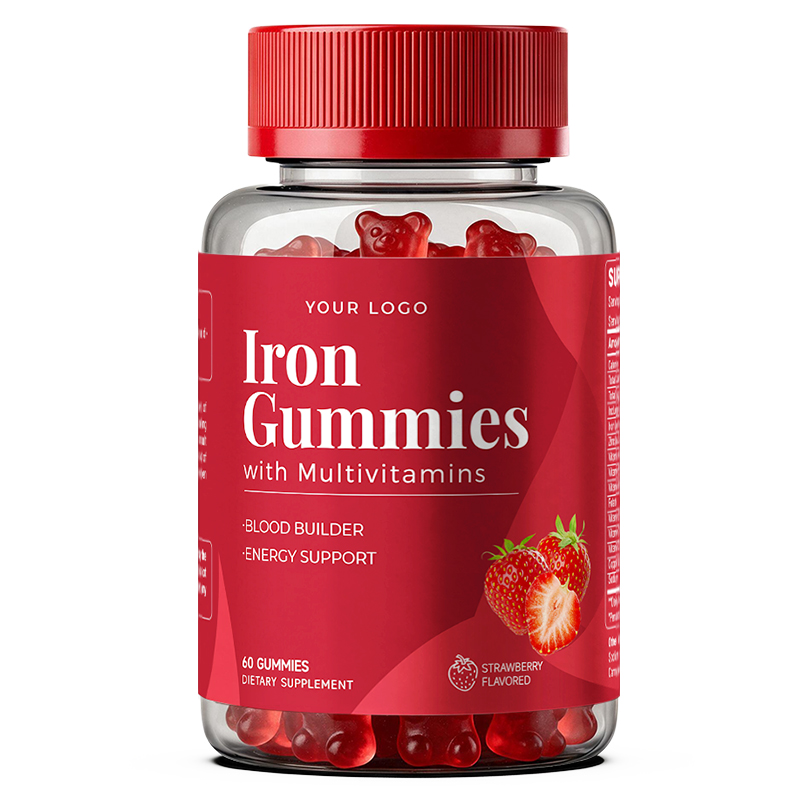
Iron has long been the nutrient formulators quietly avoided. It tastes metallic, oxidises readily, discolours the gel matrix around it, and — at the doses consumers actually need — is hard to fit into a two-gummy serving. That reluctance is now breaking down. Sugar-free pectin gummies carrying 18 mg of iron as ferrous bisglycinate chelate, paired with vitamin C, folate, B12 and seven other micronutrients, are moving from niche Amazon listings into mainstream retail shelves and private-label programmes in North America and Europe.
The change is technical before it is commercial. Once chelated iron and pectin-based zero-sugar bases became production-feasible, iron stopped being the one mineral that gummy manufacturers had to decline.
The category context: gummies keep taking share from tablets
The gummy format is no longer a children's novelty. Mordor Intelligence sizes the global gummy supplements market at USD 25.74 billion in 2025, rising to USD 27.71 billion in 2026 and USD 40.06 billion by 2031, a 7.65% CAGR over the forecast period. Absolute market sizes vary widely between research houses because of scope differences, so share and growth rates are the more reliable planning inputs.
Two structural details in that dataset matter for iron specifically. First, adults accounted for 65.10% of gummy supplement demand in 2025 — this is now an adult compliance product, not a treat. Second, prenatal gummies built around folic acid and iron are identified as one of the growth pockets, precisely because they solve the nausea problem that iron tablets create in early pregnancy.
Formulation has followed the same direction. Pectin adoption in new gummy launches has doubled since 2023, according to the same analysis, while added-sugar concerns are the single largest restraint on category growth at an estimated −1.3% impact on CAGR. A sugar-free iron gummy sits directly on top of both trends.
 Iron Gummies
Why iron resisted the gummy format for so long
Conventional iron salts — ferrous sulfate most of all — dissociate in the mouth and deliver the metallic aftertaste consumers associate with iron therapy.
Ferrous bisglycinate chelate changes that calculation. Because the iron is bound to glycine, it stays intact longer through the oral cavity, which reduces the metallic note, and it is marketed on the basis of better gastrointestinal tolerance than ferrous salts. Precedence Research identifies the iron bisglycinate segment as the fastest-growing product type in oral iron supplements through 2035 — a supply-side signal that the ingredient is being specified, not just discussed.
What happens next
Iron is following the path vitamin D took five years ago: from clinical necessity to consumer-friendly format, with the same intermediate stage of poorly formulated products and sceptical buyers. The winners in that transition were not the cheapest manufacturers — they were the ones who could show stability data. For the iron gummy category, 2027 will be decided on the same basis.
Sources
- Mordor Intelligence, Gummy Supplements Market Size & Share Analysis, 2026–2031: https://www.mordorintelligence.com/industry-reports/global-gummy-supplements-market
- Precedence Research, Oral Iron Supplements Market: https://www.precedenceresearch.com/oral-iron-supplements-market
- KorNutra, Iron Gummies: A Manufacturer's Toughest Test: https://www.kornutra.co/blog/iron-gummies-a-manufacturers-toughest-test
Email: sales@sxytbio.com
WhatsApp/phone: +86 17782577059