

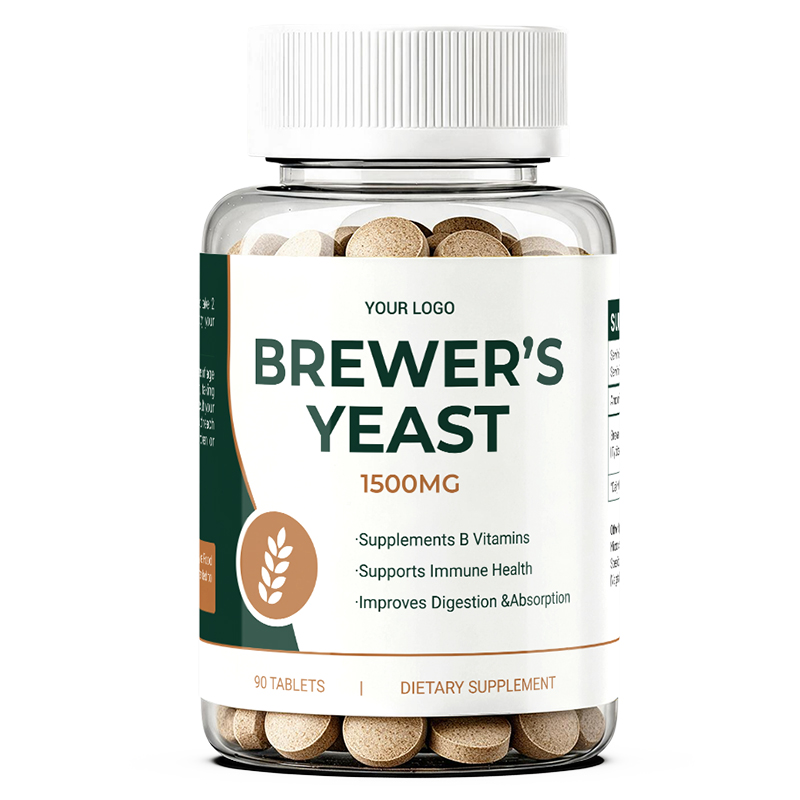

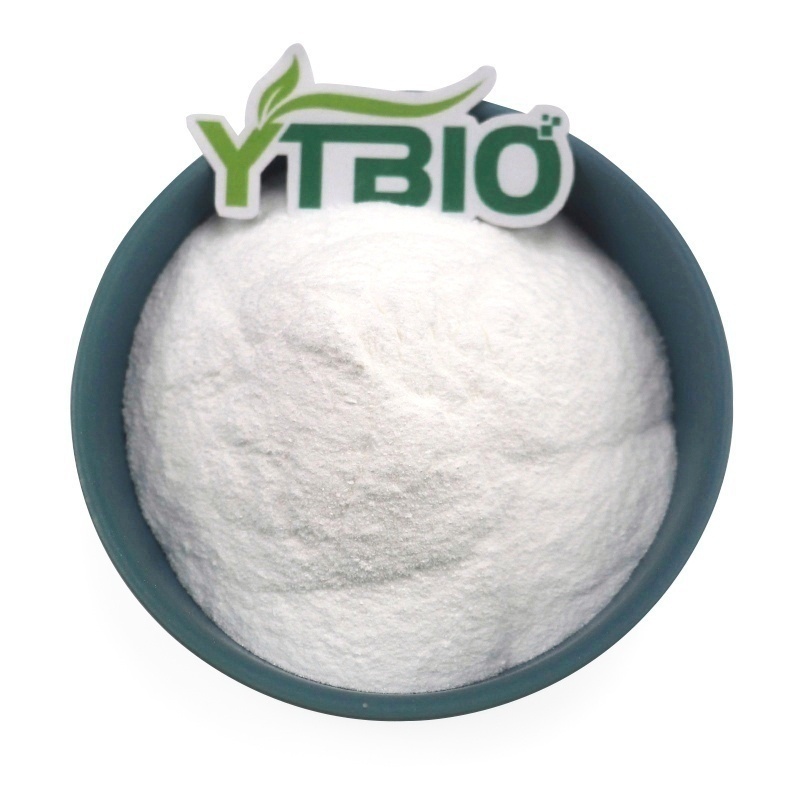
Spotlight on Brewer's Yeast Tablets: Nutrition, Benefits and Market Trends
For most of its long life in the supplement aisle, brewer's yeast had a branding problem. It smelled like the floor of a bakery. It tasted like something you were supposed to endure. And it came as a powder that clumped into a paste the moment it met a glass of juice.
Which is why the tablet version is suddenly the interesting one.
brewer's yeast tablets — Saccharomyces cerevisiae, the same species that ferments beer and lifts bread — has been sold as a nutritional supplement for decades, mostly to people chasing B vitamins, better skin, or a folk remedy for a stubborn sweet tooth. Sales were steady but unglamorous. Then the industry noticed something simple: the people who quit brewer's yeast almost never quit because it didn't work. They quit because they couldn't stand drinking it.
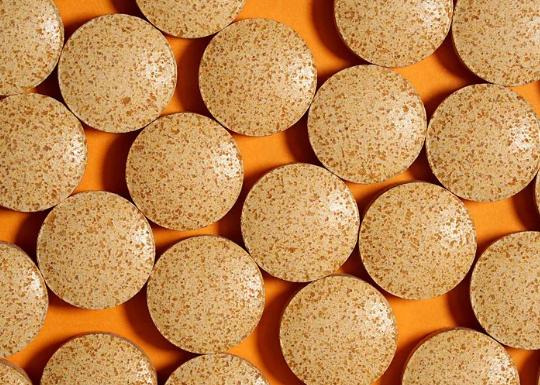
Same ingredient, much better delivery
A tablet solves a sensory problem, not a scientific one. And that's exactly the point.
The bottleneck was never the raw material — it was the spoon. Yeast powder is savory, faintly bitter, and absorbs water fast, so it turns gritty in seconds. Compressed into a tablet — usually with a coating to lock the smell in — it becomes something you can take with water and forget about.
There's a manufacturing catch, though. Brewer's yeast is bulky, low-density, and flows poorly through a tablet press, so it needs careful blending with binders and lubricants to hit a consistent weight and hardness. Getting a clean, uniform tablet out of a whole-cell ingredient is a tableting problem before it's a marketing one.
That's the part YTBIO works on, supplies botanical and nutritional ingredients and runs an OEM/ODM line for tablets, capsules, and pellets — the kind of operation that turns a drum of yeast powder into a finished bottle for a brand that never touches the raw material itself.
Why the tablet keeps winning the format argument
The industry narrative for a decade has been that tablets are legacy and gummies are the future. Procurement data is less romantic.
Capsules and tablets remain the fastest formats to produce, while gummies typically require **8 to 12 weeks** because of specialised equipment, longer cure cycles and complex flavour work (Inventory Ready, October 2026). For a brand testing a yeast SKU in a new market, that is the difference between catching a Q4 window and missing it.
The physics favour compression too. A 750 mg tablet carries its payload with **no water activity to manage, no cold chain, and a shelf life that survives a slow distributor**. A gummy of comparable retail price is mostly syrup, pectin and flavour system — the container is largely carrying water and sugar. For a category whose entire pitch is nutrient density, the tablet is the format that delivers the claim at the freight level.
Brewer's yeast tablets are not a growth story because consumers discovered yeast. They are a growth story because the format solves a set of unglamorous problems — payload per gram, freight cost, shelf stability, lead time — at the precise moment brands are being asked to justify every gram they ship. The nutrition is old. The economics are new.
Sources
- MarketsandMarkets, Brewer's Yeast Market — Global Forecast to 2031, 17 March 2026 (USD 1.85bn 2026 → USD 2.86bn 2031, 9.1% CAGR; APAC fastest-growing).
- Future Market Insights, Nutritional Yeast Market, updated 19 September 2026 (USD 4.0bn 2026 → USD 14.5bn 2036, 14.0% CAGR; brewer's inactive dry yeast 55.0% share; UK 17.0%, South Korea 16.0%, Japan 15.0%).
- TechSci Research, Brewer's Yeast Market, 2026–2031 (7.68% CAGR).
- Grand View Research, Brewer's Yeast Market Size and Share Report, 2026–2033 (feed supplements 9.5% CAGR).
Email: sales@sxytbio.com
WhatsApp/phone: +86 17782577059