


Betaine Anhydrous: A Nutrient Supporting Liver and Cardiovascular Health
As consumers increasingly focus on ingredients linked to metabolism, wellness, and active lifestyles, manufacturers are placing greater emphasis on scientifically recognized nutritional compounds. Betaine anhydrous is one such compound, highly valued for its roles in methylation pathways, cellular metabolism, and nutritional support.
Betaine is a natural compound—found in certain foods and synthesized by the human body—that participates in various vital biochemical processes. For manufacturers of foods and dietary supplements, betaine anhydrous offers a highly concentrated form of the ingredient, suitable for a wide range of nutritional formulations.
I.What Is Betaine Anhydrous?
Betaine (also known as trimethylglycine) is a natural compound characterized by a structure consisting of three methyl groups attached to a glycine molecule.
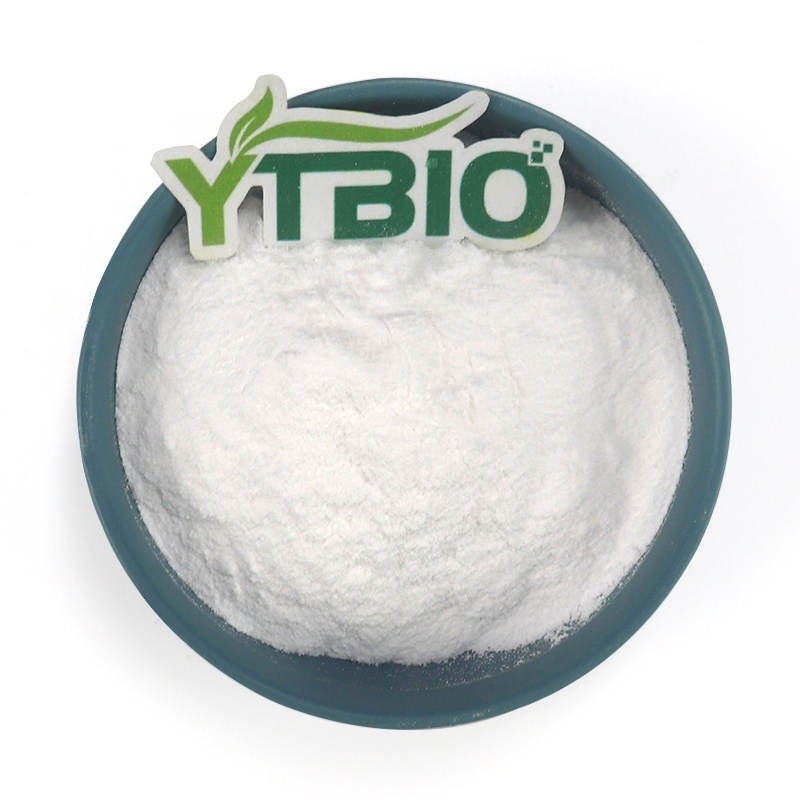
Betaine anhydrous refers to a purified form of betaine that contains no water molecules within its crystalline structure. Compared to hydrated forms, betaine anhydrous offers a higher concentration of active betaine by weight, making it a popular choice for nutritional applications.
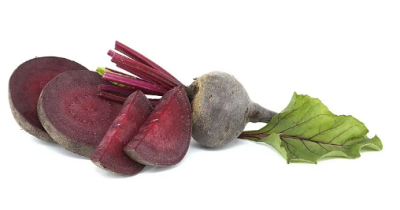
Betaine occurs naturally in foods such as beets, spinach, grains, and seafood. Within the human body, it plays a role in key metabolic pathways, particularly those involving methyl transfer.
For supplement manufacturers, the anhydrous form offers significant flexibility in the development of capsules, tablets, powders, and other nutritional products.
II.How Does Betaine Work in the Body?
One of betaine's most well-known biological functions is acting as a methyl donor.
Through the methionine cycle, betaine donates a methyl group to homocysteine, converting it into methionine. This process is part of normal methylation metabolism and helps maintain the balance of essential metabolic compounds. Methylation reactions occur throughout the body and are involved in various biological functions, including:
*Normal cellular metabolism
*Regulation of biochemical pathways
*Production of vital molecules
*Maintenance of metabolic balance
Due to its role in these pathways, betaine has become a highly regarded ingredient in nutritional science and dietary supplement development.
Betaine and Liver Health
The liver plays a central role in nutrient metabolism, detoxification processes, and the regulation of various biochemical pathways.
Betaine naturally participates in hepatic metabolic processes by supporting methylation reactions and assisting in the regulation of homocysteine metabolism.
Research has explored the relationship between betaine and liver function, particularly its role in maintaining normal liver metabolism and cellular physiological processes. This has generated significant interest in betaine as a nutritional ingredient for metabolic health.
Betaine and Cardiovascular Health
Betaine has garnered attention due to its link to homocysteine metabolism.
Homocysteine is a naturally occurring amino acid intermediate involved in methylation pathways. By donating a methyl group, betaine facilitates the conversion of homocysteine into methionine.
This connection makes betaine a key subject of nutritional research regarding cardiovascular and metabolic health.
III.Why Is Betaine Anhydrous Popular in Supplements?
Betaine anhydrous offers several practical advantages for product developers.
High Concentration
Because betaine anhydrous contains no water of crystallization, it is a highly concentrated form of the ingredient. This is a major advantage for manufacturers who prioritize dosage levels and formulation efficiency.
Formulation Flexibility
Betaine anhydrous can be used in a wide range of supplement formats, including:
*Capsules
*Tablets
*Powder blends
*Sports nutrition products
*Functional nutritional formulas
Its versatility makes it suitable for a broad array of product concepts.
Compatibility with Nutritional Formulations
Betaine is often evaluated alongside other nutritional ingredients targeting areas such as metabolism, sports nutrition, and general health.
Manufacturers may combine betaine with synergistic ingredients depending on the specific application.
III.What factors should be considered when sourcing anhydrous betaine?
Product Specifications
Buyers should verify key product parameters, including:
*Ingredient identification
*Assay or purity
*Physical form/appearance
*Moisture content
*Particle size (if applicable)
*Impurity limits
*Storage requirements
Clear product specifications help ensure the raw material meets the requirements of the final product.
Quality and Stability
Buyers should assess whether the supplier has robust quality control procedures, batch testing systems, and traceability processes in place.
A reliable supplier should ensure consistent product quality across different production batches.
Documentation Support
Professional raw material sourcing requires supporting technical documentation.
Depending on the buyer's specific requirements, suppliers can typically provide:
*Certificate of Analysis (CoA)
*Product specification sheet
*Safety Data Sheet (SDS)
*Technical data sheets
*Batch traceability documentation
*Quality certification documents
Packaging and Storage
Proper packaging and storage are crucial for maintaining raw material quality.
Buyers should confirm the following information:
*Recommended storage conditions
*Available packaging sizes
*Shelf-life information
*Shipping requirements
These factors are particularly important for international shipping and long-term inventory planning.
Supply Capability
For commercial buyers, supply stability is a key consideration.
Key questions to consider include:
*Are samples available for product evaluation?
*What is the Minimum Order Quantity (MOQ)?
*What is the standard lead time?
*Can the supplier meet ongoing, large-volume order demands?
*Do they have export experience serving international customers? Applications of Betaine Anhydrous in Nutritional Products
Betaine anhydrous can be utilized across a wide range of nutritional product categories, including:
*General health supplements
*Sports nutrition products
*Formulations for metabolic regulation
*Functional nutritional products
*Multi-ingredient formulations
Conclusion
Betaine anhydrous is a versatile nutritional ingredient that plays a vital role in methylation metabolism. Due to its close links to metabolic pathways, liver function, and cardiovascular health, it has become a preferred, high-quality raw material for companies developing science-based nutritional products.
For buyers, successful procurement depends not only on understanding the biological functions of betaine but also on selecting a supplier capable of providing consistent quality, comprehensive documentation, and reliable long-term supply. As the demand for functional nutritional ingredients continues to grow, betaine anhydrous remains a compelling ingredient to consider when developing innovative dietary supplements.
Email: sales@sxytbio.com
WhatsApp/phone: +86 17782577059