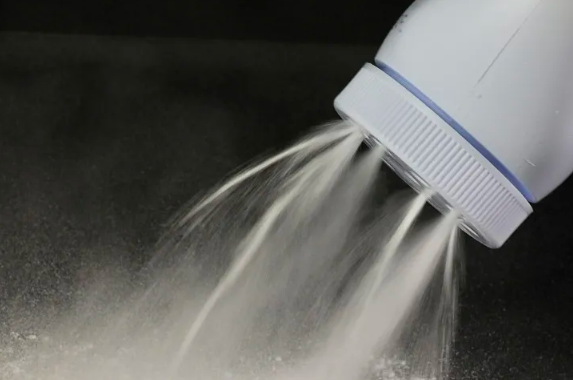
Have you heard about Zinc Pyrithione Powder? It’s been catching quite a bit of buzz in the world of personal care and cosmetics lately. I was chatting with Dr. Sarah Johnson, a well-known dermatologist, and she mentioned that this stuff is a real game-changer for folks dealing with dandruff and skin issues. Honestly, it’s pretty impressive—especially when it comes to keeping your scalp healthy.
A bunch of brands are adding Zinc Pyrithione Powder into their products these days because of its powerful antifungal and antibacterial qualities. It’s especially good at fighting Malassezia, the fungus that causes dandruff. Plus, it helps calm irritated skin, so you’ll see it pop up pretty often in shampoos and creams.
That said, it’s not perfect. Some people have reported sensitivity or reactions to it, which means formulators need to be extra careful. This just highlights how important thorough testing and listening to customer feedback really are. The industry is always working on making these products better—more effective while being gentler. Moving forward, understanding what Zinc Pyrithione Powder can really do will be a win-win for both consumers and manufacturers alike.
Understanding Zinc Pyrithione Powder: A Comprehensive Overview
Zinc Pyrithione powder is a versatile compound known for its antifungal and antibacterial properties. It is commonly used in various personal care formulations. For instance, many shampoos contain zinc pyrithione due to its effectiveness against dandruff and seborrheic dermatitis. This compound works by reducing the yeast on the scalp, providing relief for those suffering from itchy and flaky conditions.
The benefits of zinc pyrithione extend beyond just personal care products. It's being explored in dermatologist practices for treating psoriasis and eczema. Research indicates that it helps to alleviate inflammation and red patches on the skin. Buyers may find it appealing for its ability to improve skin and scalp health. Additionally, it is often regarded as a safe choice with low irritation potential. However, individual reactions can vary, and it's always wise to conduct a patch test before full use.
While zinc pyrithione is largely effective, issues can arise with inconsistent formulation. Some products may contain insufficient dosages, impacting performance. This highlights the importance of buyer diligence in selecting high-quality options. Understanding zinc pyrithione powder’s role in wellness can empower consumers to make informed choices. Remember to consult with a healthcare professional if uncertain about its use for specific conditions.
Chemical Composition and Properties of Zinc Pyrithione
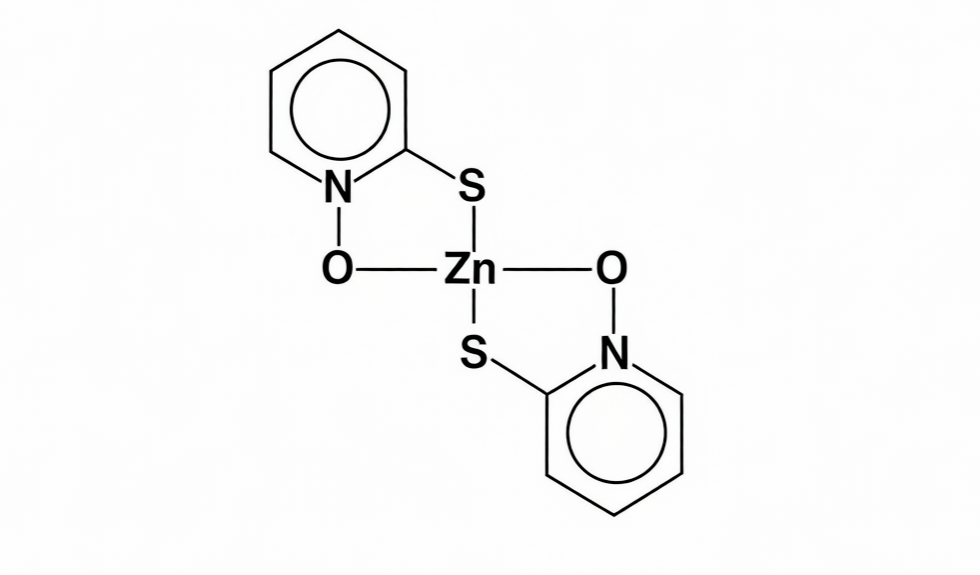
Zinc pyrithione is a coordination complex of zinc with pyrithione, known for its antifungal and antibacterial properties. Its chemical formula is C10H8N2O2S, featuring a zinc ion linked to piroctone. The compound is hydrophobic, making it effective for skin and scalp applications. According to a report by the International Journal of Cosmetic Science, zinc pyrithione shows activity against dandruff-causing fungi, specifically Malassezia species.
The compound exhibits varied solubility characteristics, being soluble in alcohol and slightly soluble in water. This property allows it to penetrate skin layers effectively. A study published in the Journal of Dermatological Treatment states that zinc pyrithione can reduce scalp irritation while controlling fungal growth. Observations show that clinical use often results in significant improvement in conditions such as seborrheic dermatitis and psoriasis.
However, the reliability of zinc pyrithione as a treatment can depend on formulation and concentration. Some formulations may not deliver optimal results. Thus, it is crucial for buyers to consider product formulation and concentration before making a decision. Users have reported inconsistent results, underlining the need for thorough research when selecting products containing this compound.
Common Uses of Zinc Pyrithione in Various Industries
Zinc pyrithione is gaining traction across several industries, primarily due to its potent antifungal and antibacterial properties. In the personal care sector, it is commonly used in shampoos and skin care products to combat dandruff and psoriasis. According to a market analysis, the global anti-dandruff shampoo market was valued at $2.8 billion in 2022 and is expected to grow significantly. This growth is attributed to the rising incidences of scalp-related issues, where zinc pyrithione offers a reliable solution.
In the agriculture industry, zinc pyrithione is utilized as a fungicide. Research shows that it effectively controls a variety of fungi that threaten crops. Data indicates that the global fungicide market is projected to reach $20 billion by 2025. This uptick may reflect the industry’s shift towards sustainable farming practices. Buyer's reliance on effective crop protection products, like zinc pyrithione, underscores the need for trusted solutions in agriculture.
However, the use of zinc pyrithione is not without complications. Some users report skin irritation and sensitivity, sparking discussions around optimal concentrations in formulations. Buyers should consider the balance between efficacy and safety. Ongoing research is essential to refine its use and understand long-term effects better. The journey of zinc pyrithione in various industries showcases both its potential and the need for continuous assessment.
Health Benefits of Zinc Pyrithione for Skin and Scalp
Zinc Pyrithione is widely recognized for its health benefits, particularly for skin and scalp conditions. This compound is often utilized in various dermatological formulations to combat issues such as dandruff and seborrheic dermatitis. Users report visible improvements in scalp health within weeks of application, highlighting its effectiveness. The powder works by reducing the growth of fungi and bacteria that can lead to irritation and flaking.
When applied topically, Zinc Pyrithione provides soothing effects on irritated skin. Many individuals find relief from symptoms of psoriasis and eczema by incorporating products containing this ingredient into their routines. It is often regarded as a reliable solution, though results can vary significantly among users. Some may need to consistently apply it for several weeks to notice substantial changes.
Despite its benefits, caution is advised when using Zinc Pyrithione products. Overuse can lead to irritation or dryness for some people. It's essential to consider individual skin types and sensitivities before integrating it into personal care regimens. Listening to one's body is crucial; reactions can differ. Overall, Zinc Pyrrolidone Carboxylate Acid powder has potential advantages, but mindful application is key for optimal results.
Zinc Pyrithione: Mechanism of Action and Effectiveness
Zinc Pyrithione is a well-known antifungal and antibacterial agent. It works by inhibiting the growth of fungi and bacteria. This makes it effective against dandruff and other scalp conditions. Buyers often seek products containing this ingredient for their potent properties. Understanding how it acts is crucial for informed purchasing decisions.
Mechanically, Zinc Pyrithione targets microbial activity. It disrupts cell membranes of fungi, leading to their inability to reproduce. This action provides a long-lasting therapeutic effect. Many dermatologists endorse it for various skin issues. However, some users report minor irritation. It's essential to observe skin reactions when first using products with Zinc Pyrithione.
The effectiveness of this powder may vary among individuals. While many experience relief, some may need alternative solutions. Regular use may enhance its benefits, but patience is necessary. Zinc Pyrithione embodies a reliable choice for addressing scalp concerns. Yet, it is wise to consult a professional before starting treatment.
Safety Profile and Potential Side Effects of Zinc Pyrithione
Zinc pyrithione is widely known for its antifungal and antibacterial properties. However, users should be aware of its safety profile and potential side effects. Generally, it is considered safe for topical use. Many manufacturers recommend usage in shampoos and skin care products. Nonetheless, some individuals may experience adverse reactions.
Skin irritation is a common issue. Redness or itching may occur, particularly among those with sensitive skin. It's essential to perform a patch test before applying a new product containing zinc pyrithione. Allergic reactions, though rare, can happen. Factors like concentration and duration of exposure can exacerbate these effects.
Long-term use is still an area needing more research. Some studies suggest a risk of buildup in the body, leading to toxicity. Users should consult healthcare professionals for advice tailored to their individual circumstances. Awareness of these factors helps mitigate risks associated with this compound. Proper use and self-monitoring are crucial for safety.
Tips for Buyers: Selecting Quality Zinc Pyrithione Products
When selecting Zinc Pyrithione Powder, quality matters. Look for products that list high purity percentages. Pure Zinc Pyrithione typically offers better effectiveness in treating scalp issues. Check the packaging for certifications that underline quality standards. Transparency from manufacturers is a good sign.
Consider the source of the powder. Trusted suppliers often provide detailed information on manufacturing processes. Investigate whether they perform third-party testing. This can ensure you receive a reliable product. Also, pay attention to customer reviews. They can provide insight into the product’s actual performance.
Don’t overlook ingredient lists. Some products may contain fillers or additives that can dilute effectiveness. Your goal should be a product with minimal extra ingredients. Additionally, be aware of pricing. While lower prices can be tempting, they may indicate lower quality. Balance cost against the product's purity and effectiveness. Striking this balance requires careful consideration.
FAQS
: Zinc pyrithione is a complex of zinc with pyrithione, known for antifungal and antibacterial properties.
It is hydrophobic and can penetrate skin layers, helping to control fungal growth and reduce irritation.
It is used in personal care products, particularly shampoos for dandruff and psoriasis, and as a fungicide in agriculture.
Some users experience skin irritation and sensitivity, highlighting the need for careful formulation choices.
Look for high purity percentages and check for manufacturer certifications and transparency.
The effectiveness can vary greatly; some products may not deliver optimal results based on their formulation.
Lower prices may indicate lower quality; balance cost with purity and effectiveness when selecting products.
Investigate supplier information, look for third-party testing, and read customer reviews for performance insights.
Transparency in sourcing and minimal fillers in the ingredient list are positive indicators of product quality.
Continuous research is essential to improve understanding and optimize the safe use of zinc pyrithione in various applications.
Conclusion
Zinc Pyrithione Powder is a versatile compound celebrated for its effectiveness across various applications, particularly in the personal care and pharmaceutical industries. This powder’s chemical composition allows it to act as an antifungal and antibacterial agent, making it a common choice for treating dandruff and other scalp conditions. Besides its cosmetic use, Zinc Pyrithione is noted for its health benefits for skin, promoting healing and alleviating irritation.
When considering the purchase of Zinc Pyrithione Powder, it is essential to understand its mechanism of action, which contributes to its effectiveness in various products. Buyers should also be aware of the importance of selecting high-quality Zinc Pyrithione to ensure safety and efficacy, as well as to minimize potential side effects. Overall, Zinc Pyrithione Powder stands out as a valuable ingredient for both personal care and health, making it a beneficial choice for consumers.