Leave Your Message

Reasons for contact:

Where are you in your project?

Product Type(s) of Interest

0%

Let's be real—keeping animal diets consistent isn't always easy. Ingredients change, storage conditions fluctuate, and yet the feed still has to deliver the same nutrients every time. That's where vitamin K3 (also called menadione) comes in. It's basically a reliable source of vitamin K activity in feed. And vitamin K? It's the nutrient that helps blood clot normally, plus a bunch of other important stuff. The beauty of K3 is pretty simple: you can measure it and mix it into a formulated ration. That might not sound exciting, but in large-scale production, even tiny differences in how the premix is distributed can end up affecting thousands of animals. So yeah, getting it right matters.

You know, the numbers here are pretty big. Alltech’s 2024 Agri-Food Outlook put global feed production at around 1.29 billion metric tons back in 2023. Now, that’s the whole feed sector—not Vitamin K3 specifically. But it does give you a sense of why getting nutrient formulations right is such a big deal. And on top of that, the European Food Safety Authority has taken a close look at menadione-based feed additives, checking both their safety and how well they actually work for animals. You should always double-check the product form and what it's actually allowed to be used for against the latest regional requirements and technical guidance. And yeah, details really matter here.

Look, vitamin K3 isn't a magic fix that lets you slack off on feed management. Whether you actually need it depends on stuff like the species you're raising, their life stage, what they're eating, and how your feed is put together. And just because a little might help doesn't mean more is better—that's a trap. Oh, and the naming? Yeah, it can trip you up. Vitamin K4 is its own separate thing, not just another name for K3. So when you're buying, double-check the active form, concentration, stability, and don't forget to look at the supplier's paperwork. But even then, paperwork isn't a substitute for careful storage and mixing. It's surprisingly easy to forget that, you know?

工厂图_1.jpg

What Vitamin K3 Is and How It Differs from Other Vitamin K Forms

Vitamin K3, or menadione, is a synthetic vitamin K source used in animal feed. It differs from vitamin K1, found mainly in green plants, and vitamin K2, a family of menaquinones produced by microbes and present in some animal foods. Vitamin K2 Mk7 is one menaquinone form; it is not another name for K3. Animals can convert menadione into active vitamin K compounds that support normal blood clotting and other functions. The chemistry is clear. Responses can still vary with species, age, diet, and health.

Feed reports give practical context. The National Research Council’s 1994 poultry requirements table lists 0.5 mg of vitamin K per kilogram of diet for chickens. That figure is a reference point, not a universal formula for every flock or feed. In a 2014 assessment, the EFSA FEEDAP Panel reviewed menadione derivatives used as vitamin K sources in animal nutrition. Their formulation and handling matter because different derivatives have different properties. A feed mill may value K3’s predictable composition, but a number on a specification sheet cannot describe every animal’s needs. That deserves a closer look.

Why Vitamin K3 Is Used in Animal Feed

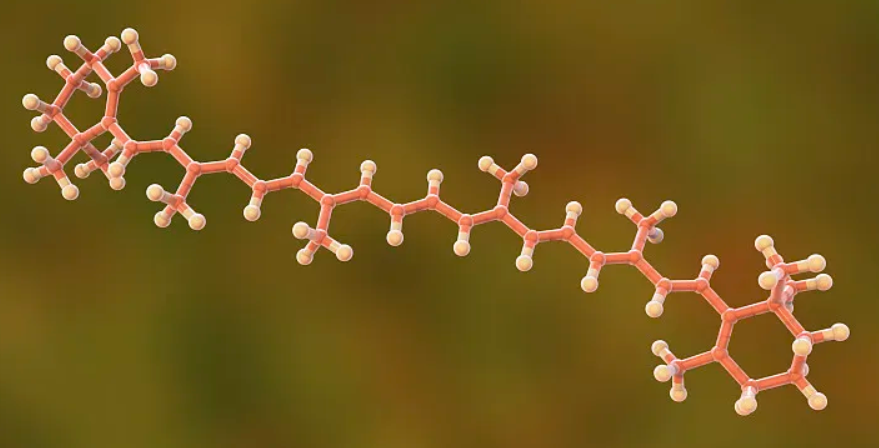
Vitamin K3 (menadione) is a synthetic vitamin K form with no side chain. It is used in animal feed, often as a water-soluble derivative. The chart compares side-chain carbon counts among selected vitamin K forms.

K2 forms are menaquinones: MK-n has n isoprene units, each containing five carbon atoms. Values shown are structural counts, not nutritional potency.

How Vitamin K Supports Blood Clotting and Animal Health

Vitamin K helps animals form several proteins needed for normal blood clotting. In the liver, it enables the activation of clotting factors, including factors II, VII, IX, and X. Without enough available vitamin K, bleeding can become harder to control. Small signs matter: bruising, blood in droppings, or prolonged bleeding after minor injury may warrant veterinary attention.

Vitamin K3, also called menadione, is used in feed because it provides a practical source of vitamin K activity. Feed formulation matters.

The National Research Council’s Nutrient Requirements of Poultry (1994) lists 0.5 mg of vitamin K per kilogram of diet for broiler chickens. That figure is a poultry reference, not a universal dose for every species or life stage.

Needs and feed conditions differ. A ration’s vitamin K contribution can also be affected by ingredients, storage, and processing, so formulation should be assessed rather than guessed. Not glamorous, but important.

Vitamin K also contributes to animal health beyond visible clotting; however, it should not be treated as a cure for bleeding or as a substitute for diagnosis.

The Merck Veterinary Manual describes vitamin K’s role in activating key coagulation proteins, reinforcing why reliable dietary supply matters. Real-world feed programs still need careful review.

Why Animal Feed May Need Vitamin K3 Supplementation

Why Is Vitamin K3 Used in Animal Feed?

Why Animal Feed May Need Vitamin K3 Supplementation

Vitamin K supports normal blood clotting and other physiological functions in animals. Feed ingredients can contain vitamin K, but the amount may vary with crop type, storage, and processing. In some diets, especially those relying on processed ingredients, the available supply may not be predictable. That matters.

Vitamin K3, also called menadione, is used in some feed formulations to help provide a consistent source of vitamin K activity. The need depends on the animal species, age, diet, and production conditions. Young animals, for example, may have different nutritional requirements from mature animals. Feed specialists consider the complete ration rather than adding a supplement by habit. More is not automatically better.

Vitamin K3 should not be confused with Vitamin K2 Mk4, a distinct form of vitamin K. They are not interchangeable simply because both belong to the same vitamin family. A careful formulation accounts for ingredient quality, nutrient interactions, and the animal’s actual needs. Even then, feed intake can vary from day to day, so recommendations deserve periodic review. That part is easy to overlook. Supplementation is most useful when it addresses a defined nutritional gap, with guidance from a qualified animal nutrition professional.

Which Livestock and Feed Types Commonly Use Vitamin K3

Vitamin K3, usually supplied as a menadione source, is most commonly considered in poultry and pig feed programs. Poultry diets include starter, grower, finisher, and breeder feeds, delivered as mash or pellets. Pig applications include nursery and grower-finisher complete feeds, often formulated with vitamin premixes. The National Research Council’s Nutrient Requirements of Poultry (1994) lists 0.5 mg of vitamin K per kilogram of diet for chickens. That is a nutritional benchmark, not a universal commercial inclusion rate; actual formulation depends on ingredients and production conditions. The boundary is not always tidy.

Ruminants are different. Their rumen microbes can produce vitamin K, so routine supplementation is generally less central than in poultry or young pigs. Feed formulators may still consider animal age, health, diet composition, and vitamin stability during processing. Vitamin K3 should not be confused with Vitamin K2 Mk4 Powder: these names refer to different vitamin K forms, not interchangeable feed specifications. For practical decisions, check the species-specific nutrient standard and the finished-feed label, since a premix declaration alone does not show the amount animals receive.

How Vitamin K3 Is Formulated and Added to Animal Feed

Vitamin K3 is usually handled as a concentrated feed ingredient, not poured directly into a mixer.

Its commercial forms and permitted uses can vary, so the product specification and local feed requirements matter. A nutritionist sets the inclusion rate for the species, life stage, and complete diet. Small additions need careful measurement.

Very small.

Feed mills commonly dilute the measured vitamin in a carrier to make a premix. This helps spread it through a larger batch instead of leaving concentrated pockets. Mixing order, particle size, and equipment performance all affect uniformity.

A small trial batch can reveal problems, though it cannot replace routine quality checks. Vitamin K3 may lose activity under unsuitable storage or processing conditions, so suppliers’ handling guidance should be followed. Keep premixes dry, sealed, and clearly identified.

After blending, sampling and laboratory analysis can help confirm consistency and nutrient levels. Pelleting conditions deserve attention, too; heat and moisture can affect vitamin retention, and assumptions about losses may be wrong.

Feed formulation is practical work, but it still needs verification.

Safety, Dosage, and Regulations for Vitamin K3 in Feed

Vitamin K3 is used in animal feed as a source of vitamin K, which supports normal blood clotting. Safety depends on the specific K3 form, animal species, life stage, and total diet. Feed manufacturers should use only forms permitted for their market and follow the applicable limits and labeling rules. Regulations differ by country and may change. Check current official guidance rather than relying on a general dosage found online.

There is no single dose suitable for every ration. A qualified animal nutritionist should calculate inclusion using the feed formula, ingredient contributions, and the animals’ needs. Accurate weighing and even mixing matter; a small error in a concentrated premix can affect the finished feed. Small errors matter. Store premixes in dry, clearly labeled containers, and follow supplier instructions for handling and shelf life. Vitamin K2 Mk7 Powder is a different form of vitamin K, not an automatic replacement for K3; changing forms requires professional formulation review and regulatory checks. I would not assume that a familiar ingredient is suitable for every species or production stage.

Why Is Vitamin K3 Used in Animal Feed? - Safety, Dosage, and Regulations for Vitamin K3 in Feed

Topic Practical information Important qualification
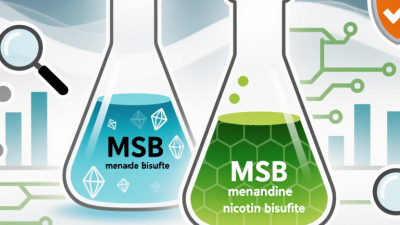
What “Vitamin K3” means Vitamin K3 is menadione. Feed products use specified menadione-derived compounds, such as menadione sodium bisulfite or menadione nicotinamide bisulfite. These compounds differ in composition and menadione content. Formulation should be based on the approved product specification and its declared active content.
Why it is added to feed It supplies vitamin K activity needed for the normal formation of several blood-clotting proteins. Supplementation can help maintain an adequate vitamin K supply where dietary ingredients or animal conditions make that supply insufficient. Vitamin K is not a substitute for veterinary diagnosis or treatment of bleeding, poisoning, or other disease.
Poultry feed: illustrative formulation range About 0.5–2 mg of menadione equivalent per kg of complete feed is a commonly encountered formulation range. This is an indicative range, not a universal nutritional requirement or legal limit. Needs depend on bird type, life stage, feed ingredients, health status, and local rules.
Swine feed: illustrative formulation range About 0.5–2 mg of menadione equivalent per kg of complete feed may be used in practical formulations. Use a species- and stage-appropriate formulation. Do not treat this example as a prescription or as authorization to use any particular additive.
Ruminant diets Healthy adult ruminants generally obtain vitamin K from feed and microbial synthesis in the rumen; routine K3 supplementation is therefore not always necessary. Young animals, animals with particular health problems, or animals receiving certain diets may require individual assessment by a nutritionist or veterinarian.
How to interpret the dose Dosage is normally stated as milligrams of active menadione equivalent per kilogram of complete feed, rather than as the weight of a premix. Calculate the amount of product using its assay, inclusion rate, feed intake, and the applicable legal conditions. Avoid double-counting vitamin K supplied by other feed ingredients or additives.
Potential safety concerns Incorrect weighing or mixing can create uneven or excessive concentrations. Concentrated additive dust should be handled according to its safety data sheet, with suitable controls to limit inhalation and skin or eye contact. Use only feed-grade products authorized for the intended species and purpose. Follow supplier handling instructions and applicable workplace-safety requirements.
Regulatory status Authorization, permitted chemical form, target species, labeling, and maximum content are jurisdiction-specific. In the European Union, feed additives are governed by Regulation (EC) No 1831/2003 and the conditions in the relevant authorization. In the United States, applicable feed-additive rules are listed in Title 21 of the Code of Federal Regulations. Check the current official register or legislation for the exact additive and intended use before manufacture or feeding. There is no single global legal maximum that applies to every K3 source and species.
Official regulatory references EU Regulation (EC) No 1831/2003
U.S. Code of Federal Regulations, Title 21, Part 573
These references provide the regulatory framework; consult the current listing and any applicable authorization conditions for the specific feed additive.

Note: Dosage figures above are illustrative formulation ranges, not official recommendations or legal limits. Final inclusion rates should be set by a qualified animal nutritionist and verified against current local regulations.

FAQS

Why might animal feed need vitamin K3?

Crop type, storage, and processing can change vitamin K levels in feed ingredients. Some diets may provide an unpredictable amount. That matters.

What does vitamin K3 do in feed?

Vitamin K3 provides a consistent source of vitamin K activity. Vitamin K supports normal blood clotting and other physiological functions in animals.

Do all animals need the same amount?

No. Needs depend on species, age, diet, and production conditions. Young animals may have different requirements from mature animals. Not always.

Is vitamin K3 interchangeable with other vitamin K forms?

No. Vitamin K forms are distinct and cannot be substituted automatically. A nutrition professional should review any change to the feed formula.

How is vitamin K3 usually added to feed?

It is handled as a concentrated ingredient, often diluted in a carrier premix. This helps distribute it through a larger batch. Small amounts count.

What affects vitamin K3 distribution in a feed batch?

Mixing order, particle size, and equipment performance can affect uniformity. Sampling and laboratory analysis can help check the finished feed.

Can processing or storage affect vitamin K3?

Yes. Unsuitable storage, heat, and moisture may affect vitamin retention. Keep premixes dry, sealed, and clearly labeled, following supplier instructions.

How should the inclusion rate be determined?

A qualified animal nutritionist should consider the complete ration, ingredient contributions, and animal needs. There is no single dose for every feed. Worth checking.

What should feed manufacturers check before using vitamin K3?

Confirm the specific form is suitable for the intended animals and market. Follow current official requirements, and verify weighing and mixing. I would not assume one familiar formula suits every situation.

Conclusion

Vitamin K3, also known as menadione, is a synthetic form of vitamin K used in animal nutrition. Unlike vitamin K1, which is commonly found in plants, and vitamin K2, which is produced by some bacteria, K3 can be formulated for consistent use in feed. Vitamin K helps the body produce proteins needed for normal blood clotting and supports animal health. Although animals may obtain some vitamin K from their diet or gut microbes, supplementation can help meet nutritional needs when feed ingredients or conditions provide insufficient amounts.

Vitamin K3 is commonly included in diets for poultry, pigs, and other livestock, with use depending on the animal’s needs and the feed formulation. It is typically blended into a premix to promote even distribution and reliable intake. Appropriate inclusion levels depend on species, age, diet, and product form, so feed should be prepared according to established nutritional guidance and applicable regulations. Careful formulation and quality control help ensure the supplement is used safely and effectively.
Oliver

Oliver

Oliver is a dedicated marketing professional at Shaanxi Yuantai Biological Technology Co., Ltd., where he leverages his expertise in plant extracts, nutritional supplement raw materials, cosmetic raw materials, and organic products. With a deep understanding of the industry, Oliver plays a pivotal......
Previous China Top 10 Oat Extract Manufacturers for Global Buyers