Leave Your Message
- Phone
- E-mail
- Whatsapp
- WeChat
NMN has really taken off among folks around the world lately, and honestly, it kind of bridges this pretty complex scientific idea with a straightforward wellness goal: helping our bodies age healthily. Basically, NMN, or nicotinamide mononucleotide, plays a part in how our cells produce NAD+, that molecule linked to energy production inside our bodies. Naturally, this has caught the eye of researchers, supplement enthusiasts, and manufacturers everywhere — and the excitement is definitely growing.
But here’s the thing — just because it’s popular doesn’t mean it’s proven to work. Human studies on NMN are still in the early stages, and results can really depend on things like dosage, the quality of the product, how the studies are set up, and even your age and health. Some initial research hints that it could be beneficial, but we really need more solid, large-scale clinical trials before making any firm claims. So, while the initial signs are promising, it’s not the whole story yet.
When you're considering buying NMN, trust is a big factor. Experienced buyers from all over tend to check things like batch numbers, ingredient lists, purity reports, storage instructions, and even independent lab test results. They want transparency — knowing exactly what they're getting and where it came from. Sometimes, you’ll see products labeled with things like Nmn Beta, but it’s worth doing a bit of homework to confirm what that actually means — is it just a brand name, does it refer to NMN itself, and is there supporting documentation? Because, honestly, names can be a little misleading.
Plus, rules and regulations vary a lot from country to country. What’s considered a supplement in one place might face stricter rules elsewhere. Good, responsible brands steer clear of making disease-treatment claims and are upfront about how to use their products. They also usually recommend chatting with a healthcare professional — especially if you’re on medication or managing a chronic health condition.
All in all, what probably drives NMN’s global popularity the most is that sweet spot between scientific curiosity and the everyday desire to feel better. That said, there are some bumps in the road. Sometimes marketing moves faster than scientific proof, so it’s really important to do your homework and compare options carefully. Making smart, informed choices — ones that are legal and realistic — should always come first when you're shopping for supplements.

NMN, short for nicotinamide mononucleotide, is a molecule involved in the body’s pathway for producing NAD+. NAD+ supports cellular energy metabolism and enzymes involved in DNA maintenance and stress responses. As people age, NAD+ levels may change, increasing interest in NMN supplements. Beta Nmn usually refers to the biologically relevant beta form of NMN. It is not a separate vitamin. After ingestion, NMN may contribute to NAD+ production, but absorption and tissue use can vary.
Global buyers often look beyond the label. They check ingredient identity, purity results, batch numbers, storage conditions, and third-party testing. A clear certificate of analysis can show assay values and possible contaminants. It cannot prove a specific health outcome. Human research on NMN is developing, with small studies and different doses. That matters. Laboratory findings may sound impressive, yet they do not automatically predict longer life or better performance. People taking medication or managing chronic conditions should consult a qualified healthcare professional. Even “high purity” needs context. Testing methods, sampling, and product stability can change interpretation. More evidence is still needed.
The wellness market is moving toward science-informed, convenient formats, making NMN capsules a compelling option for private-label development. Industry analysis from Grand View Research indicates that the global dietary supplements market is projected to maintain strong growth through 2030, supported by consumer interest in healthy aging, energy, and daily wellness routines. For emerging and established wellness businesses, OEM and ODM manufacturing can provide a practical path to launch without building an in-house production facility.
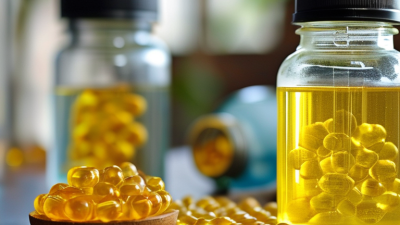
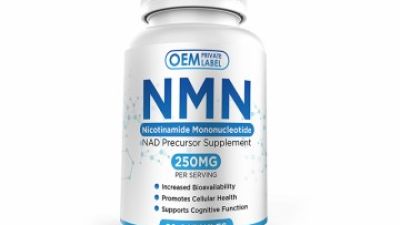
Our bottled NMN capsule solution is available for private-label and custom development, with flexible options for label design, ingredient specifications, capsule formulation, and packaging presentation. Manufacturing support can be adapted to different positioning strategies, including minimalist wellness, premium nutrition, or science-oriented product lines. Products are available in stock or can be customized according to project requirements, helping businesses manage launch timelines and inventory planning.
Quality-focused production, documentation support, and consistent batch coordination are important considerations in the supplement industry. The Council for Responsible Nutrition’s consumer research continues to show that trust, transparency, and product quality strongly influence supplement purchasing decisions. To support international procurement, payment can be arranged by wire transfer, card, or approved digital transfer services, while shipping options include express delivery, air freight, and sea freight to accommodate different budgets and delivery schedules.
NMN stands for nicotinamide mononucleotide. It participates in the body’s pathway for producing NAD+. NAD+ supports cellular energy metabolism and certain cellular maintenance processes. NMN is not a separate vitamin.
After ingestion, NMN may contribute to NAD+ production. Absorption and tissue use can vary between people. More research is needed. A biochemical connection does not prove a specific health benefit.
Interest comes from research involving cellular energy and healthy aging. Some people hope NMN may support daily vitality with age. Human studies remain limited and often use different doses. Popularity is not medical proof.
NMN is often sold as capsules or powder. Powder may be mixed into water beside breakfast. Capsules can fit easily into a morning routine. Convenience does not guarantee quality.
Check ingredient identity, stated amount, batch numbers, storage instructions, and recent testing. Request a batch-specific certificate of analysis when available. Look for testing of purity, heavy metals, microbes, and residual solvents. High purity needs context.
No. It can report assay values and possible contaminants. It cannot prove longer life, better performance, or a personal health outcome. Testing methods and sampling can change interpretation. The picture is incomplete.
Keep NMN sealed, dry, and away from heat. Humidity during shipping may affect powder quality when packaging is weak. A warm delivery van is not ideal. Storage details are easy to overlook.
Safety information remains limited, especially for long-term use. People taking medication or managing chronic conditions should consult a qualified healthcare professional. Pregnancy and breastfeeding require extra caution. Natural does not mean risk-free.
Yes. One location may permit NMN in supplements, while another may require additional review. Importers should check current local rules and permitted claims. Regulations can change quickly. Assuming worldwide approval would be careless.
NMN, or nicotinamide mononucleotide, is a compound involved in the body’s production of NAD+, a coenzyme associated with cellular energy metabolism and other biological processes. Its connection with NAD+ has attracted global buyers who are interested in healthy aging, energy support, metabolic wellness, and maintaining overall vitality. However, consumer expectations should remain realistic, since research is still developing and individual responses may differ.
Worldwide, NMN products are offered in forms such as capsules, powders, and specialized formulations. Buyers often evaluate purity, stability, manufacturing standards, testing transparency, dosage information, and storage conditions before making a purchase. Trust is also influenced by clear labeling and credible quality-control documentation. At the same time, differences in regulations, permitted claims, safety assessments, and product classification across countries can affect availability and demand. Responsible purchasing requires attention to local requirements, independent testing where available, and professional medical advice, especially for people with health conditions or those taking medication.