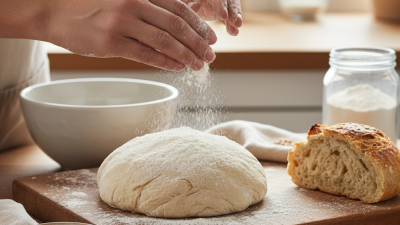
If you’ve ever baked bread, you’ve already met wheat gluten — it’s the protein-packed part of wheat that gives dough its stretch and structure. During bread making, it does something pretty cool: it traps carbon dioxide, which helps the dough rise higher and gives the crumb that nice, springy texture. You can actually see it in action when dough stretches under your hands instead of tearing right away.
Okay, so here’s the thing—according to USDA FoodData Central, vital wheat gluten packs about 75 grams of protein per 100 grams. That said, not every product is going to match that number exactly. If you’re a manufacturer, you really want to double-check supplier specs and the label. There are also official standards—Codex Alimentarius CXS 163-1987 covers wheat protein products, and AACC International has cereal science guidance on how gluten’s stretchy, elastic behavior affects dough. Between all that, you can see why gluten isn’t just for your everyday loaf.
Here’s the thing: it’s pretty versatile. It can help strengthen flour blends, give noodles and baked goods a better texture, and even add structure to some plant-based meat alternatives. Food makers also use it to tweak protein content or get a firmer, chewier bite. But small changes matter. Add too much and you might end up with something dense or rubbery—and honestly, the results really depend on hydration, mixing, and baking conditions. That last part is easy to underestimate, honestly.
Let’s talk about wheat gluten — what it actually does, where you’ll run into it, and why food companies keep reaching for it. We’ll also get into the real-world caveats, like how clearly it’s labeled and whether it’s okay for people who need to avoid gluten. It does a great job in certain situations, but it’s definitely not a one-size-fits-all ingredient.
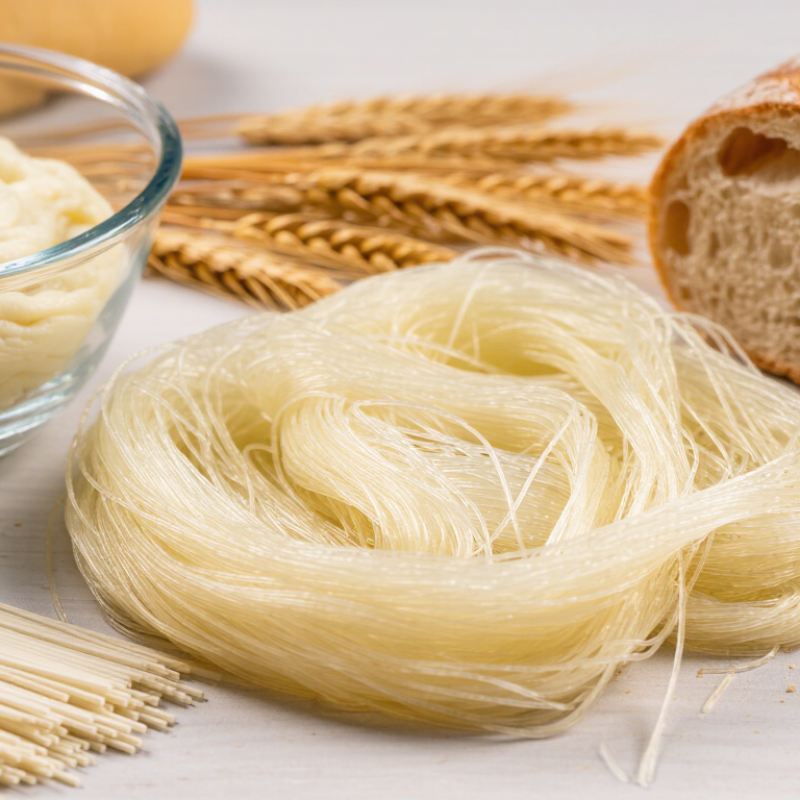
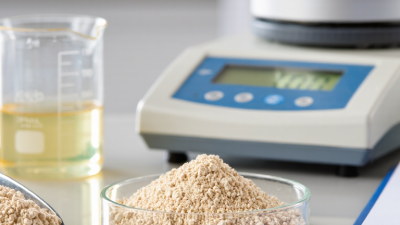
Wheat gluten is mainly composed of two protein groups: gliadins and glutenins. When hydrated and mixed, they form an elastic network that gives dough strength and stretch. The balance matters. Gliadins help dough extend, while glutenins contribute firmness and resilience. Wheat Gluten Powder is a concentrated form of these proteins, often added to flour when a stronger dough structure is needed.
This network traps some of the gas produced during fermentation, helping bread dough expand and hold its shape. It also affects chewiness, water absorption, and how easily dough can be handled. A small addition may improve a weak flour, but too much can make dough feel tight or rubbery. Results vary with the flour, water, mixing time, and recipe.
In practical use, bakers may adjust hydration when adding the powder because the dough can absorb more water. Watch the dough, not just the measurement: it should feel elastic without becoming stubborn. That judgment is not perfectly exact, and even experienced bakers sometimes need another test batch. Wheat gluten is also naturally present in wheat, so it is unsuitable for people who must avoid gluten.
Wheat gluten gives dough much of its stretch and strength. When flour is mixed with water, gluten-forming proteins link into a flexible network. Kneading helps that network develop. You can feel the change: a rough, sticky mass becomes smoother and springs back when pressed. That matters. The network traps some of the gas produced during fermentation, helping bread rise and hold its shape. More gluten is not always better; too much can make dough tight and bread chewy.
Vital wheat gluten is sometimes added to low-protein flour to improve elasticity, especially in bread dough. It can also help dough tolerate shaping and longer fermentation. The effect depends on the flour, hydration, and mixing, so small adjustments are sensible. A dough that tears easily may need more development or rest, not simply more gluten. Resting can make it easier to stretch. Wheat Germ Extract is a separate wheat-derived ingredient, not a gluten-building substitute.
Tips: Add vital wheat gluten sparingly and mix it evenly with the flour. Check the dough after kneading: it should stretch without tearing quickly, but still feel soft. If it feels rubbery, reduce the amount next time. I’d also note that flour varies between batches, so a recipe may need small changes.
Wheat gluten gives bread dough the strength to hold fermentation gases. In practice, that can mean a taller loaf and a finer, more even crumb, especially when flour is low in protein or contains bran. Bran flakes can interrupt the dough’s gluten network. A small addition of vital wheat gluten may help the dough stretch around those weak spots.
The USDA’s FoodData Central lists vital wheat gluten at about 75.2 grams of protein per 100 grams. That concentrated protein helps explain why bakers use it sparingly rather than treating it like ordinary flour.
In whole-wheat, rye, and other dense breads, gluten can improve elasticity and reduce crumbling after baking. It is also used in bagels and some pizza doughs, where a firmer, chewier bite is wanted. Too much, though. Excess gluten can make bread unpleasantly tight or rubbery, and the right amount depends on the flour and recipe. In cakes, biscuits, and tender pastries, added gluten may work against a delicate crumb, so it is not a universal upgrade. Results also vary with mixing and hydration; a dough that feels strong in the bowl may still bake up dry.
USDA FoodData Central, “Vital wheat gluten,” nutrient data.
Wheat gluten gives many meat alternatives their firm, chewy structure. When hydrated and kneaded, its proteins form an elastic network that holds together during cooking. This makes vital wheat gluten useful in seitan, plant-based slices, and meatless sausages. It can be mixed with broth, spices, and oil to shape the flavor and bite. The result is not automatically meat-like; too much kneading can make it rubbery.
In a meat-alternative mixture, gluten helps bind ingredients and creates a springy texture. Cooks often adjust the liquid and seasoning because wheat gluten has a mild flavor of its own. Hydrolyzed Wheat Protein is a different form: it may contribute savory flavor or other functional qualities, but it does not replace the structure-building role of hydrated gluten. Small recipe changes can noticeably affect the finished texture. It is not magic.
Tips: Add liquid gradually, then let the mixture rest briefly before shaping. Simmer gently or bake, depending on the recipe; aggressive boiling can produce a spongy bite. Check ingredient labels carefully: wheat gluten contains wheat and is unsuitable for people with celiac disease or wheat allergy. Even a well-tested recipe may need adjustment for your preferred chew.
| Use or Product Type | How Wheat Gluten Functions | Typical Preparation or Processing | Practical Benefits | Key Considerations |
|---|---|---|---|---|
| Seitan-style pieces | Hydrated gluten proteins form an elastic, cohesive structure that can be shaped into strips, chunks, or slices. | Vital wheat gluten is mixed with water and seasonings, kneaded or blended, shaped, and cooked by methods such as steaming or simmering. | Provides a dense, chewy bite and holds its shape during cooking. | Overmixing or prolonged cooking can make the texture overly firm or rubbery. The product contains wheat gluten. |
| Plant-based cutlets and fillets | Gluten helps bind the mixture and contributes a fibrous, meat-like chew when combined with other ingredients. | It may be mixed with ingredients such as legumes, starches, oils, and seasonings, then formed and cooked. | Can improve sliceability and help a formed product retain its shape. | Texture depends on the full recipe and processing; gluten alone does not create every feature of meat. |
| Plant-based sausages and deli-style slices | Its elastic protein network helps hold ingredients together and gives the cooked product a springy, cohesive texture. | Gluten is incorporated into a seasoned mixture, shaped, and cooked; formulation may include fats, starches, or other proteins. | Useful as a binder and texture-building ingredient in products designed to be sliced or portioned. | Moisture and fat levels affect firmness and juiciness. Seasonings and other ingredients determine much of the flavor. |
| Textured or pulled-style meat alternatives | When structured and cooked appropriately, gluten-based mixtures can be torn or pulled into strands. | The mixture is formed and cooked, then shredded or pulled; sauces may be added after cooking. | Creates a substantial chew that works in fillings, sandwiches, and sauced dishes. | Shredding quality varies with the formulation and cooking method; the texture is not identical to muscle meat. |
| Protein and structure in blended products | Wheat gluten contributes protein and can reinforce the structure of blends containing vegetables, pulses, or other plant proteins. | It is dispersed through the mixture before shaping and cooking, with hydration adjusted to suit the recipe. | Can help a blend bind and form a firmer, more cohesive bite. | Wheat gluten is not suitable for people with celiac disease or wheat allergy. Check all ingredients and handling information. |
| Vital wheat gluten as a dry ingredient | This concentrated wheat protein powder develops an elastic network when water is added. | It is usually combined with liquid and other recipe ingredients; the required amount depends on the intended texture. | Offers a convenient way to build gluten structure in homemade meat alternatives. | It is not interchangeable with ordinary flour in every recipe, and hydration and mixing influence the final result. |
Note: Wheat gluten is the protein component responsible for much of wheat dough’s elasticity. In meat alternatives, it is commonly used to provide binding and chew; final nutrition and texture vary by formulation and preparation.
Beyond bread, wheat gluten helps foods hold together and keep a springy bite. In noodles and pasta, it can strengthen dough, so strands stay resilient during cooking. In plant-based foods, its elastic structure helps form chewy pieces that resemble meat. It also works as a binder in some meat products, snacks, and prepared foods. Small changes matter. Too much can make a product tough; too little may leave it crumbly.
USDA FoodData Central lists vital wheat gluten at about 75.2 grams of protein per 100 grams. That concentrated protein helps explain its usefulness in formulations where structure matters. Food developers may adjust hydration, mixing time, and gluten levels to get the texture they want. Results vary with the flour and process, though, so the ingredient is not a shortcut to consistent quality. A practical detail: wheat gluten contains wheat allergens and is not suitable for gluten-free foods. And texture can be stubborn. A chewy bite may be exactly right in noodles, but unpleasant in a soft snack.
Wheat gluten is the stretchy protein that helps bread dough hold gas and gives baked loaves their chewy crumb. It also appears in foods such as noodles, sauces, and meat alternatives. Gluten contributes protein, but whole-wheat foods can provide fiber and nutrients that isolated gluten does not. The food’s full ingredient profile matters.
Dietary risk depends on the condition. The National Institute of Diabetes and Digestive and Kidney Diseases estimates that celiac disease affects about 1% of people worldwide. For them, gluten can damage the small intestine, so a medically supervised gluten-free diet is essential. Wheat allergy is different: it is an immune reaction to wheat proteins and may require avoiding wheat, even when a food is gluten-free. The FDA identifies wheat as a major food allergen requiring declaration on covered packaged foods. That distinction is easy to miss.
People with celiac disease should check labels and prevent crumbs from shared boards or toasters. FDA rules allow a “gluten-free” claim only when a food contains less than 20 parts per million of gluten. Hydrolyzed Wheat Protein Powder may sound gentler, but processing does not automatically make it safe for someone with wheat allergy or celiac disease. Ask a qualified clinician about individual risks; labels can be confusing, and I would not guess from the product name alone.
It forms a flexible network that gives dough strength and stretch. The network also traps some fermentation gas, helping bread rise and hold its shape.
After kneading, it should feel smoother and stretch without tearing quickly. It should still feel soft. A short rest may help dough stretch more easily.
No. Too much can make dough tight and bread overly chewy. Add it sparingly, mix it evenly, and adjust based on the flour and dough texture.
Hydrated and kneaded, it creates a firm, springy structure in foods such as seitan and meatless slices. Add liquid gradually and let the mixture rest briefly before shaping.
Avoid excessive kneading, and cook gently when the recipe calls for simmering. Aggressive boiling can create a spongy bite. I still find texture harder to predict than recipes suggest.
It can strengthen noodles and pasta, help bind some prepared foods, and add a chewy bite. Too little may leave a mixture crumbly; too much can make it tough.
USDA FoodData Central lists about 75.2 grams of protein per 100 grams. That concentrated protein helps explain its use in foods where structure matters.
No. It contains wheat and is unsuitable for people with celiac disease or wheat allergy. Check ingredient labels carefully.
Wheat Gluten is the protein-rich component of wheat flour that gives dough much of its strength and elasticity. When mixed with water, it forms a flexible network that traps gas, helping bread rise and develop a chewy texture. Bakers may add vital wheat gluten to strengthen dough, improve its structure, or adjust the texture of breads and other baked goods.
Beyond baking, wheat gluten is used to create chewy, protein-rich meat alternatives and can serve as a binding or texturizing ingredient in other foods. Its nutritional value includes protein, but it is not suitable for everyone: people with wheat allergies or celiac disease must avoid it, and those following a gluten-free diet should check ingredient labels carefully. Knowing how wheat gluten behaves and where it is used can help readers understand its role in food as well as its dietary limitations.