So, you might be wondering—what exactly is Chitosan Hydrochlorideused for? Well, this matters because it behaves quite differently from regular Chitosan. Basically, chitosan hydrochloride is a more water-friendly version, created by adding hydrochloric acid to chitosan. This makes it dissolve more easily in mildly acidic water, which is super handy for formulating products and processing them more smoothly. You’ll find it playing roles in pharmaceutical helpers, wound dressings, cosmetics, and controlled-release systems, among other things. But, here’s the thing—it's not a magic fix. Its performance really depends on factors like molecular weight, how much it's been deacetylated, the pH, how pure it is, and how it’s processed.
Professor R. A. A. Muzzarelli, who’s pretty much a big deal in the chitosan world, described it as “a natural cationic polymer with remarkable versatility.” And honestly, that’s part of why it’s so interesting from an industrial perspective. In the lab, you might see chitosan hydrochloride form a clear or slightly cloudy solution in an acidic environment. When used in a dressing prototype, it can help with film formation and keeping moisture balanced. In personal care products, formulators often look at how it forms films and conditions the skin or hair. Companies like Heppe Medical Chitosan and Golden-Shell Pharmaceutical have also contributed a lot to turning these materials into real-world applications.
That said, it’s important to be cautious. Just because something works well in a tiny test tube doesn’t mean it’ll do the same in a finished product. Things like stability, smell, thickness, how friendly it is to the body, and regulatory approval all need to be checked carefully. And if someone’s claiming it has antimicrobial or healing properties, you should really look for solid evidence before buying into that. Honestly, it’s not some miracle cure—it’s a practical, useful material, but its true value depends on thorough testing, proper formulation, and knowing exactly what you want it to do.
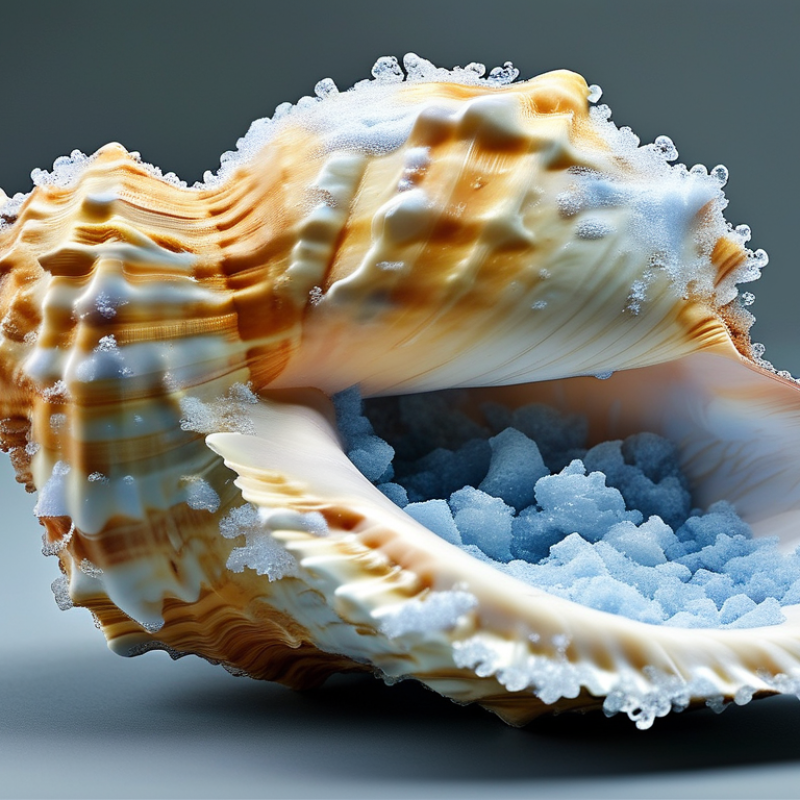
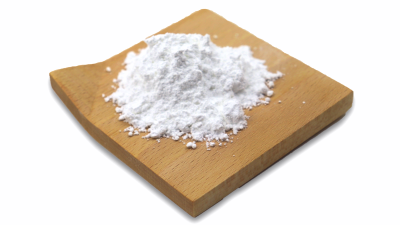
Chitosan hydrochloride, often written as Chitosan Hcl, is a water-soluble salt of chitosan. Manufacturers produce it by reacting chitosan with hydrochloric acid. This process protonates its amino groups. The material becomes positively charged in acidic water, which explains its strong interaction with negatively charged surfaces.
Its source is usually chitin from shrimp, crab, or other shellfish shells. The FAO’s 2024 State of World Fisheries and Aquaculture report recorded 185 million tonnes of global aquatic-animal production in 2022. This large resource base supports continued interest in shell-derived polymers.
However, raw material quality can vary. Processing conditions matter greatly.
Chitosan Hcl is studied for water treatment, agricultural coatings, wound-care materials, and controlled drug delivery. Its positive charge can help bind suspended particles, proteins, and some metal ions. In formulations, its water compatibility may improve handling compared with ordinary chitosan. Market reports also forecast steady growth for chitosan-based materials, although estimates differ by application and region.
That uncertainty deserves attention. Chitosan hydrochloride is not automatically suitable for every product. Molecular weight, degree of deacetylation, purity, moisture, and residual proteins can change performance. People with shellfish allergies should also review the material’s source and purification controls with qualified professionals.
Chitosan hydrochloride works through protonated amino groups along its polymer chain. Its pKa is commonly reported near 6.3–6.5, so it carries a positive charge in mildly acidic conditions. That charge attracts negatively charged surfaces, proteins, mucins, and suspended particles. In water treatment, this interaction helps particles clump and settle. In formulations, it can create a thin, adhesive film on moist tissue. The effect is chemical, but the surroundings matter greatly.
In the digestive tract, chitosan hydrochloride may bind some negatively charged compounds, including fatty acids. Yet human weight-management results remain inconsistent. A 2020 Cochrane review found only small, clinically uncertain benefits from chitosan supplements. The report also noted weak study quality and varied product composition. That limitation deserves attention.
Pharmaceutical researchers also use the material as a carrier. Its positive charge can improve contact with negatively charged mucosal surfaces, potentially extending residence time. However, acidic stomach conditions may strengthen solubility, while near-neutral intestinal conditions can reduce it. A 2023 review in Carbohydrate Polymers described pH, molecular weight, and deacetylation as major performance variables. Small formulation changes matter. The same ingredient can behave differently in a capsule, hydrogel, or wound dressing. Market reports from Grand View Research and MarketsandMarkets identify biomedical, food, and water-treatment applications as major demand areas, but market growth does not prove clinical effectiveness. More standardized human trials are still needed.
Chitosan hydrochloride is a water-soluble chitosan derivative used in gels, films, fibers, and wound sprays. In wound care, it can contact bleeding tissue and support clot formation. Its positively charged molecules may also bind negatively charged blood cells and proteins. The dressing can form a soft, protective layer over the wound.
This matters for diabetic foot wounds, surgical sites, and superficial bleeding. The International Diabetes Federation’s 10th Diabetes Atlas reported 537 million adults living with diabetes in 2021. Many face delayed healing or foot complications. A chitosan hydrochloride dressing may help manage light bleeding and wound moisture while clinicians assess infection, tissue damage, and circulation. It is not a replacement for debridement, pressure relief, or prescribed antimicrobial treatment.
Application should follow the product’s instructions and clinical judgment. The wound should be cleaned first, then covered with a sterile chitosan-based material. Some formulations absorb exudate and become gel-like. Others create a thin film. The evidence is promising, but not tidy. A 2022 review of chitosan wound materials reported benefits in hemostasis and tissue repair, yet studies used different formulations and endpoints. Clinicians should watch for persistent pain, spreading redness, odor, fever, or renewed bleeding. Chitosan may also be unsuitable for people with known shellfish sensitivity, depending on its source and processing.
Chitosan hydrochloride is a water-soluble, positively charged chitosan derivative that can be incorporated into wound dressings, hydrogels, films, fibers, and sprays. Its main wound-care roles include supporting hemostasis, forming a protective film, helping maintain a moist wound environment, improving adhesion to tissue, and providing antimicrobial activity. The values shown are a qualitative functional-relevance scale from 1 to 5, not clinical efficacy scores.
Chitosan hydrochloride is a water-soluble chitosan derivative used in several pharmaceutical applications. It dissolves more readily in mildly acidic formulations. This feature can improve processing and dosage consistency. Its positive charge also supports adhesion to negatively charged biological surfaces. In practice, researchers study it as an excipient, coating material, and drug delivery carrier.
In oral formulations, chitosan hydrochloride may help drugs remain near mucosal tissue longer. This property could support absorption across the nasal, buccal, or gastrointestinal lining. It can form films, gels, and small particles around active ingredients. Particle size, molecular weight, and degree of deacetylation strongly affect performance. Small formulation changes can produce very different release profiles.
The material also appears in experimental wound dressings and localized delivery systems. Some studies report antimicrobial or hemostatic effects, but results vary with testing conditions. Chitosan Quaternary Ammonium Salt is another modified form, designed to retain positive charge across a wider pH range. It should not be treated as identical to chitosan hydrochloride. Safety testing remains essential, especially for injectable products and long-term exposure. Purity, residual processing chemicals, and immune reactions require careful evaluation. Evidence is promising, but not complete. In my view, its greatest value may come from tailored formulations rather than universal use.
Chitosan hydrochloride is a water-soluble form of chitosan, useful in acidic food systems. It can help clarify beverages by binding suspended particles. In practice, a small dose may be mixed into juice before filtration. The liquid becomes visibly cleaner. However, performance depends on pH, temperature, and molecular weight. Results are not automatic.
In dietary products, manufacturers use it in capsules, powders, and mineral-delivery systems. Its improved water dispersibility can support more even mixing than ordinary chitosan. A 2023 global chitosan market analysis estimated the market at about USD 1.02 billion in 2022, with strong projected growth through 2030. Food and supplement applications remain important development areas. Yet sales growth does not prove health benefits. A 2022 systematic review reported inconsistent evidence for meaningful weight-loss effects from chitosan supplements. That limitation matters.
Wholesale Chitosan buyers should request assay data, viscosity, molecular-weight ranges, moisture results, and microbiological testing. They should also confirm the raw material’s source and allergen controls. Shellfish-derived materials may require clear allergen declarations. In food production, chitosan hydrochloride may support edible coatings that slow moisture loss on fresh produce. The coating must remain thin, uniform, and nearly invisible. Regulatory acceptance differs across countries, so intended use and dosage require local review. Some formulation ideas look promising. Others still need better human data.
| Application Area | How It Is Used | Functional Role | Typical Product Formats | Important Considerations |
|---|---|---|---|---|
| Dietary supplements | Included as an ingredient in oral formulations, subject to the applicable food and supplement regulations. | Provides a source of chitosan in a more water-dispersible, acidic form than unmodified chitosan. | Capsules, tablets, powders, and sachets. | Product claims, serving size, purity, and permitted use must comply with the rules of the target market. |
| Acidic beverages and liquid foods | Dissolved or dispersed in an acidic liquid when the formulation is compatible with its solubility profile. | Supports the delivery of chitosan in liquid systems where ordinary chitosan may disperse poorly. | Fortified drinks, acidic liquid concentrates, and drink mixes. | pH, ionic strength, taste, clarity, and storage stability should be evaluated during formulation. |
| Food-film and coating research | Prepared as a film-forming solution or coating for experimental food-packaging and surface-treatment systems. | Forms biodegradable polymer films and may help create a barrier against moisture or oxygen, depending on the formulation. | Edible films, produce coatings, and research-scale packaging layers. | Performance depends on molecular weight, degree of deacetylation, plasticizers, pH, and drying conditions. |
| Food preservation research | Applied to food surfaces or incorporated into prototype preservation systems for laboratory and product-development studies. | Chitosan-based systems are studied for their film-forming properties and potential to limit the growth of certain microorganisms. | Fresh-produce coatings, seafood coatings, and prototype active packaging. | Laboratory findings do not automatically establish commercial efficacy or regulatory approval. |
| Encapsulation and controlled delivery | Used as a polymer matrix or coating material for encapsulating selected food ingredients or nutraceutical compounds. | Can help protect sensitive ingredients and modify their release characteristics in appropriately designed systems. | Microcapsules, nanoparticles, powders, and fortified food prototypes. | Particle size, encapsulation efficiency, release conditions, and compatibility with the active ingredient require testing. |
| Texture and formulation support | Added in small amounts to selected formulations to modify viscosity, suspension behavior, or mouthfeel. | Acts as a cationic polysaccharide whose behavior changes with pH and interactions with other ingredients. | Sauces, emulsions, suspensions, and powdered mixes under development. | Excessive use may cause haze, precipitation, viscosity changes, or an undesirable sensory profile. |
| Mineral and ingredient delivery systems | Combined with selected nutrients or minerals in research and formulation work to improve dispersibility or delivery. | The protonated polymer can interact with negatively charged substances and may support complex formation. | Powder blends, capsules, tablets, and functional-food prototypes. | Compatibility, nutrient bioavailability, gastrointestinal tolerance, and stability must be verified rather than assumed. |
| Dietary and safety labeling | Declared according to the ingredient’s legal status, source, specifications, and intended use in the relevant jurisdiction. | Provides consumers with information about composition, allergens, directions, and precautionary statements. | Supplement labels, technical specifications, and food-product documentation. | Because chitosan is commonly derived from crustacean shells, source and allergen requirements should be assessed carefully; individuals with seafood allergies should seek professional advice. |
Note: Chitosan hydrochloride is a salt form of chitosan designed to improve handling and dispersion in acidic conditions. Actual food or dietary-product use depends on local regulations, ingredient specifications, intended claims, and safety evaluation.
Chitosan hydrochloride is a water-soluble chitosan salt used in supplements, pharmaceutical formulations, and laboratory materials. Safety depends on purity, dose, molecular weight, and manufacturing controls. For Chitosan Wholesale buyers, a certificate of analysis should show identity, degree of deacetylation, residual proteins, heavy metals, microbial limits, and endotoxins. A clean-looking powder proves little.
Allergy risk needs careful wording. Chitosan often comes from shellfish, although processing can remove most allergenic proteins. Residual proteins may still matter for sensitive users. People with shellfish allergies should seek medical advice before use. The European Food Safety Authority’s 2011 opinion, published in EFSA Journal 9(6):2214, found insufficient evidence to support several weight-loss claims. That finding does not establish a universal safe dose. It exposes a common mistake: treating marketing studies as safety standards.
Chitosan hydrochloride may also bind fats and alter absorption of fat-soluble nutrients or oral medicines. Evidence varies between products. Extra caution is sensible with anticoagulants, pregnancy, breastfeeding, and chronic digestive conditions. The World Health Organization’s quality-control guidance emphasizes contaminant testing, validated methods, and traceable production for medicinal materials. Users should follow the product’s tested instructions, not copy doses from unrelated chitosan studies. I would also avoid assuming that “natural” means harmless. Short-term stomach discomfort can occur, while long-term data remain limited. Ask a qualified clinician when regular medication is involved.
Factory-direct Creatine HCL 78% powder is designed for sports-nutrition formulations, dietary supplements, and functional products requiring a concentrated creatine ingredient. It appears as a fine white powder and is supplied in 25 kg drums, supporting efficient bulk production and inventory planning. Creatine hydrochloride is valued for its water solubility and convenient handling; however, formulation performance should be verified through stability, purity, and finished-product testing. The International Society of Sports Nutrition (ISSN) position stand identifies creatine as one of the most extensively studied sports-nutrition ingredients, with evidence supporting its role in improving high-intensity exercise capacity and lean-mass development when combined with resistance training.
For purchasing, buyers should request a current specification sheet, certificate of analysis, microbiological results, heavy-metal testing, and batch traceability. This material is manufactured under cGMP, ISO 22000, and ISO 9001 systems, with Kosher, BRC, and Halal certifications available to support diverse market requirements. Store the powder in a cool, dry location away from direct light and moisture. Factory-direct supply can simplify communication, customization, and quality control while reducing unnecessary distribution steps. Payment options include T/T, VISA, XTransfer, and Alipay, with typical shipping arranged within 3–5 days after order confirmation. Dosage and labeling should be determined by qualified professionals and comply with the regulations of the target market.
It is a water-soluble chitosan salt used in acidic foods, supplements, and formulation systems. Its performance varies.
A small amount may be mixed into acidic juice before filtration. It binds suspended particles, making the liquid visibly cleaner. Results depend on pH, temperature, and molecular weight.
It can appear in capsules, powders, and mineral-delivery systems. Its water dispersibility may support more even mixing than ordinary chitosan. Better mixing does not prove better health effects.
Yes, it may help form thin coatings that slow moisture loss. The coating should look nearly invisible and remain evenly spread. A thick or uneven layer may perform poorly.
Request identity, assay, viscosity, molecular-weight range, moisture, and microbiological results. Also check residual proteins, heavy metals, endotoxins, and deacetylation levels. A clean-looking powder proves little.
Shellfish-derived material may contain residual proteins that concern sensitive users. People with shellfish allergies should seek medical advice before use. Processing can reduce allergens, but it may not remove every concern.
Evidence for meaningful weight-loss effects remains inconsistent. Market growth does not establish health benefits. That distinction matters.
It may bind fats and alter absorption of fat-soluble nutrients or oral medicines. Extra caution is sensible with anticoagulants, pregnancy, breastfeeding, and digestive conditions. Ask a qualified clinician when regular medication is involved.
Chitosan Hydrochloride is a water-soluble derivative of chitosan, a natural polymer obtained from chitin. Its positive electrical charge allows it to interact with negatively charged substances, which supports its ability to form films, bind particles, and promote adhesion to biological surfaces. These properties make it useful in wound-care materials, where it may help create a protective layer, manage fluid, and support the natural healing environment. It can be incorporated into dressings, gels, films, and other biomedical formulations.
In pharmaceutical applications, Chitosan Hydrochloride may serve as a carrier or stabilizing material for controlled and localized delivery of active ingredients. It is also used in some food and dietary products as a functional ingredient, particularly in formulations designed to bind certain substances or improve product texture and stability. Safety depends on purity, formulation, dosage, and intended use. Individuals with shellfish or crustacean allergies should seek professional advice, while all users should follow product directions and consult a qualified healthcare provider before using it for medical or dietary purposes.