Have you heard about Choline Chloride? It's increasingly being recognized as a pretty essential nutrient, especially in industries like animal feed and health supplements for humans. Actually, a recent report from Grand View Research predicts that the global market for Choline Chloride could hit around USD 1.5 billion by 2025 — mainly because there’s rising demand from livestock producers. Dr. Emily Johnson, who’s a top expert in nutritional biochemistry, even says, "Choline Chloride is crucial for maintaining good health and growth in animals."
In the world of animal feed, Choline Chloride really makes a difference. It helps animals process fats better and can even reduce fatty deposits in their livers. On the human side of things, this stuff is also used in supplements—supporting things like brain health and heart health. But here’s the thing: not all companies pay attention to sourcing top-quality Choline Chloride. That can lead to products that don’t work as well as they should. Investing in good quality Choline Chloride can really boost health results, while cheap or lower-quality versions might even cause some risks.
And it’s not just for feeds and supplements. Choline Chloride’s pretty versatile — it’s used in making plastics and coatings too. However, the market isn’t without its hurdles, like different rules and regulations in various countries. Those involved in the industry need to be aware of these issues to truly make the most of what Choline Chloride has to offer—and to make sure products are safe, reliable, and up to standard worldwide.

Overview of Choline Chloride and Its Importance
Choline chloride is an essential nutrient that plays a critical role in various biological functions. It is a water-soluble compound that assists in fat metabolism, liver function, and maintaining healthy cell membranes. Choline chloride is especially important for brain health, influencing cognitive functions and memory retention. Recent studies suggest that adequate choline intake can lower the risk of cognitive decline.
In animal feed, choline chloride supports growth and development. It helps in the formation of phosphatidylcholine, a vital component of cell membranes in livestock. Additionally, it enhances overall feed efficiency. Beyond agriculture, choline chloride is used in human nutrition, particularly in dietary supplements. However, the exact dosage and long-term effects are areas needing further research.
The compound also finds applications in various industries, such as pharmaceuticals and cosmetics. Despite its benefits, consumers should approach with caution. The industry is filled with varying quality standards, raising questions about sourcing and production practices. Understanding these nuances is critical for buyers, ensuring they make informed choices when selecting choline chloride products.
Application of Choline Chloride in Animal Nutrition
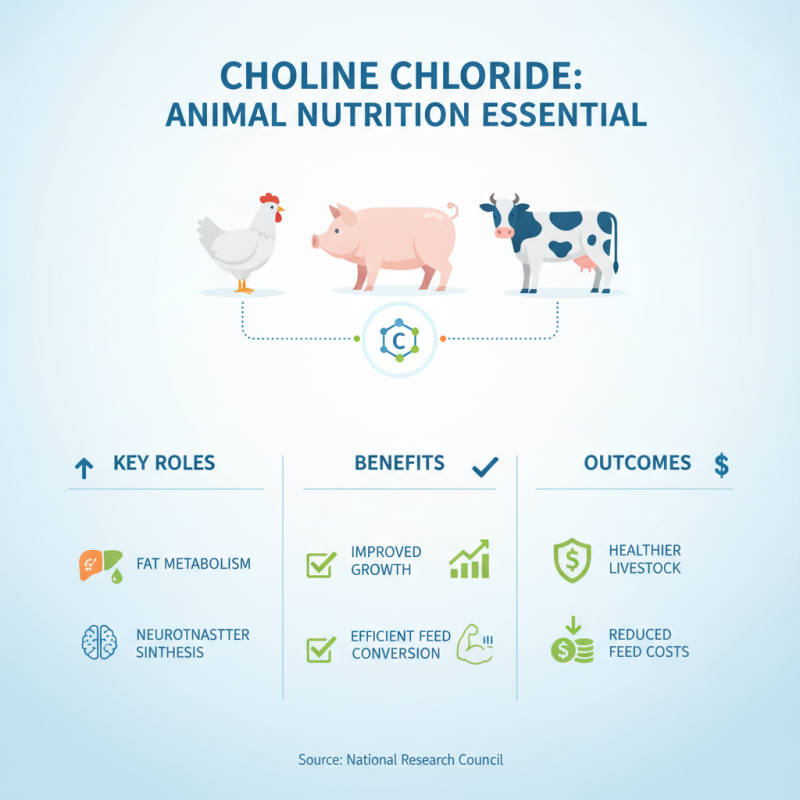
Choline chloride plays a vital role in animal nutrition. It is an essential nutrient required for optimal health and growth in livestock. According to the National Research Council, choline is critical for several physiological processes, including fat metabolism and neurotransmitter synthesis. Adequate levels of choline can improve efficiency in feed conversion, leading to better growth rates and lower feed costs.
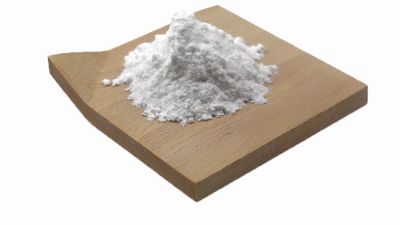
Poultry and swine are among the largest consumers of Choline Chloride Powder. A study published in the Journal of Animal Science indicated that supplementing broiler diets with choline can enhance body weight gain by up to 10%. This improvement directly impacts production efficiency. In pigs, choline supplementation has been linked to reduced mortality rates and improved reproductive performance.
However, the proper dosage and timing of choline chloride are vital. Excessive amounts can lead to undesirable effects, such as fishy odor in animals and potential digestive issues. Continuous research is needed to find the optimal levels for various species and production goals. Balancing intake is crucial for maximizing benefits while avoiding negative impacts. Understanding these nuances aids producers in making informed dietary decisions.
Use of Choline Chloride in Human Dietary Supplements
Choline chloride is vital in human dietary supplements. It plays a crucial role in maintaining brain health. Many people lack sufficient choline in their diets. This deficiency can lead to various health issues, including cognitive decline. Incorporating choline chloride can help address this gap.
Research suggests that choline is essential for neurotransmitter synthesis. This process supports memory and mood regulation. Dietary supplements containing choline chloride are often recommended for pregnant women. Adequate choline intake during pregnancy aids fetal brain development. Moreover, older adults can benefit from these supplements as well. They may help reduce the risk of age-related cognitive decline.
Choosing the right choline source is important. Many suppliers offer Wholesale Choline Chloride in bulk. This option helps supplement manufacturers provide quality products. However, not all sources are reliable. Buyers must research suppliers and their practices. This ensures they receive safe and effective supplements. Transparency in ingredient sourcing is key to building consumer trust.
Choline Chloride as a Feed Additive for Poultry
Choline chloride is increasingly recognized as a vital feed additive for poultry. Poultry diets often lack sufficient choline, a crucial nutrient for growth and metabolism. Supplementing with choline chloride helps ensure optimal development rates and overall health in chickens. This addition can lead to better feed efficiency, translating to lower costs for producers.
Furthermore, choline chloride aids in liver function and fat metabolism. This reduces the risk of fatty liver disease, a common issue in intensive poultry farming. Consequently, healthy birds result in increased meat quality and yield. Farmers observing these benefits may consider the appropriate levels required for their specific flocks. It's essential to reflect on the balance of nutrients in chicken diets; excess choline can be wasteful or even harmful.
Despite its advantages, integrating choline chloride requires careful maNAGement. Some producers find it challenging to monitor the precise intake levels. This demands ongoing attention to ensure efficacy while avoiding nutritional imbalances. Addressing these nuances is crucial for maximizing the benefits of this feed additive in poultry production.
Top 10 Uses of Choline Chloride in Poultry Feed
This chart represents the various applications of Choline Chloride as a feed additive for poultry, highlighting its significance in enhancing poultry health and productivity.
Role of Choline Chloride in Aquaculture Feed Formulation
Choline chloride plays a critical role in aquaculture feed formulation. It serves as an essential nutrient for fish and shrimp. This compound supports growth and enhances health in aquatic animals. Adequate levels of choline chloride are vital to maintain optimal metabolic functions.
In aquaculture, nutrition is key. Choline chloride helps in fat metabolism. It promotes the development of cell membranes and supports liver function. Many fish species benefit from its inclusion in their diets. However, not all formulations provide sufficient choline. Some may overlook its importance. This gap can lead to deficiencies, affecting growth rates and overall health.
It's crucial for feed manufacturers to evaluate their products. They should ensure that choline levels meet the nutritional requirements of aquatic species. Regular assessments and adjustments are needed based on species and growth stages. While formulations improve, challenges remain. Striking the right balance is essential for successful aquaculture practices.
Choline Chloride’s Function in Plant Fertilizers
Choline chloride is increasingly recognized for its role in plant fertilizers. It serves as a vital nutrient, enhancing plant growth and vitality. Studies show that choline chloride can improve photosynthesis efficiency, ultimately leading to greater crop yields. In fact, recent reports indicate a potential yield boost of up to 15% when using choline chloride-enriched fertilizers.
Moreover, choline chloride helps in regulating plant metabolism. This regulation promotes nutrient uptake and strengthens a plant’s resilience against environmental stressors. Researchers have noted that choline can improve salt tolerance in certain crops, which is critical for farmers in arid regions. As soil salinity increases due to climate change, this function of choline chloride may become more crucial.
While the benefits are significant, knowledge gaps exist about optimal application rates. Over-fertilization can lead to nutrient imbalances. It’s essential for farmers to balance choline chloride with other nutrients. The synergy between choline chloride and compounds such as Nicotinamide Riboside Chloride is an area ripe for exploration. Understanding these interactions can lead to more effective formulations and sustainable agricultural practices.
Emerging Trends and Future Uses of Choline Chloride in Industries
Choline chloride is gaining traction in various industries due to its versatile applications. Emerging trends indicate a spike in demand for this compound, particularly in animal nutrition. It promotes growth and enhances metabolic efficiency in livestock. This aligns with the global push for sustainable farming practices. As the industry evolves, innovations such as CDP Choline are gaining attention.
In the realm of human health, choline chloride shows potential in cognitive enhancement. Research suggests it plays a role in brain function and memory. The rise of nootropic products indicates a growing interest in supplements that support mental clarity. However, the market is still nascent, and more studies are needed to validate these claims.
Environmental considerations are shaping future uses of choline chloride. Eco-friendly production methods are becoming a priority. Companies are exploring sustainable sourcing of raw materials to reduce their carbon footprint. This awareness brings both challenges and opportunities. Transitioning to greener practices may require significant investment. The ongoing research and adoption of choline chloride showcase its potential implications across diverse sectors.
Exploring the Anti-Aging Potential of NRC/NR-CL Nicotinamide Riboside Chloride: Insights from Recent Clinical Studies and Market Trends
Recent clinical studies have increasingly highlighted the anti-aging potential of Nicotinamide Riboside Chloride (NR-CL), a form of Vitamin B3 that serves as a precursor to nicotinamide adenine dinucleotide (NAD+). NAD+ plays a crucial role in cellular metabolism and energy production, making NR-CL a captivating option for those seeking to address age-related declines in these cellular functions. Explorations into its efficacy reveal promising results, demonstrating not only its ability to increase NAD+ levels but also its potential in enhancing mitochondrial health, which is vital for overall vitality and longevity.
In the marketplace, NR-CL is recognized for its high purity, with specifications reaching HPLC 98%. The product appears as a fine white powder, indicating its quality and effectiveness. It is essential to store NR-CL in a cool, dry place, away from light to maintain its integrity. With increasing demand driven by a growing awareness of health and wellness, this compound is available through convenient payment options, including T/T and Alipay, and boasts swift shipping times of just 3-5 days. Additionally, NR-CL is supported by multiple certifications, including cGMP and ISO, ensuring that users receive a product that meets high manufacturing standards and safety regulations.
FAQS
: Choline chloride is a water-soluble nutrient essential for various biological functions, including fat metabolism.
It influences cognitive functioning and memory retention, potentially lowering the risk of cognitive decline.
It supports growth and development, enhancing feed efficiency and formation of vital components like phosphatidylcholine.
Yes, it is used in dietary supplements, but more research is needed on dosage and long-term effects.
It enhances plant growth and improves photosynthesis efficiency, potentially increasing crop yields by up to 15%.
It regulates plant metabolism and improves salt tolerance, aiding survival in arid conditions.
Yes, over-fertilization can cause nutrient imbalances; careful application is necessary.
There are varying quality standards. Knowledge of sourcing and production practices is crucial for informed choices.
Yes, especially concerning optimal application rates and interactions with other nutrients.
Yes, exploring synergies with compounds like nicotinamide riboside chloride could enhance agricultural effectiveness.
Conclusion
Choline Chloride is a vital nutrient with diverse applications across various industries. Its significance in animal nutrition is particularly notable, where it serves as an essential feed additive, promoting growth and improving overall health in livestock, especially poultry. Additionally, Choline Chloride plays a crucial role in human dietary supplements, supporting cognitive function and metabolic processes.
Beyond its applications in nutrition, Choline Chloride is gaining traction in aquaculture feed formulation and plant fertilizers, contributing to the health and productivity of aquatic species and enhancing crop yields, respectively. As industries evolve, emerging trends highlight the potential for innovative uses of Choline Chloride, positioning it as a multifunctional ingredient. With ongoing research and development, the future of Choline Chloride promises new opportunities and advancements in its applications across various sectors.