Picking a trustworthy Ursolic Acid supplier isn’t just about comparing prices or scrolling through sleek websites. For folks buying from all over the world, what really matters is consistent quality, clear and transparent documentation, and straightforward communication. In this guide, I’ll introduce you to ten suppliers who serve international markets—covering things like product specs, how long they’ve been in the game, and how supportive they are to buyers.
We’ll look at details like assay levels, botanical origins, extraction techniques, and the formats available. Plus, it’s worth checking whether they provide up-to-date Certificates of Analysis, test for contaminants, track batches properly, and use stable packaging. If you’re after Ursolic Acid Powder, make sure you confirm things like particle size, purity, storage instructions, and minimum order requirements. Those little details really impact your formulations, shipping, and quality control.
And yeah, documentation really does matter. A supplier worth considering should be able to clearly explain their quality systems—no vague promises allowed. Certifications like GMP or ISO are good to have, but don’t rely solely on them; it’s always smart to verify independently. Keep in mind that different countries have different rules, so check your local regulations before importing or using the product. The companies listed here serve different purposes—some for research, others for supplements, cosmetics, or manufacturing—and they all have their own strengths.
Also, keep in mind that no ranking is set in stone. Price, lead times, certifications, and production capacity can all change pretty quickly. Some of the info you find online might need confirmation directly from the supplier, which is totally normal. So, if you’re serious about it, ask for recent samples, technical data, and clear terms before making any commitments. The goal isn’t to find one perfect supplier—it's about equipping you with the tools and questions necessary to compare options wisely and pick an Ursolic Acid partner you can trust with confidence.
What Is Ursolic Acid and Why Is It Used?
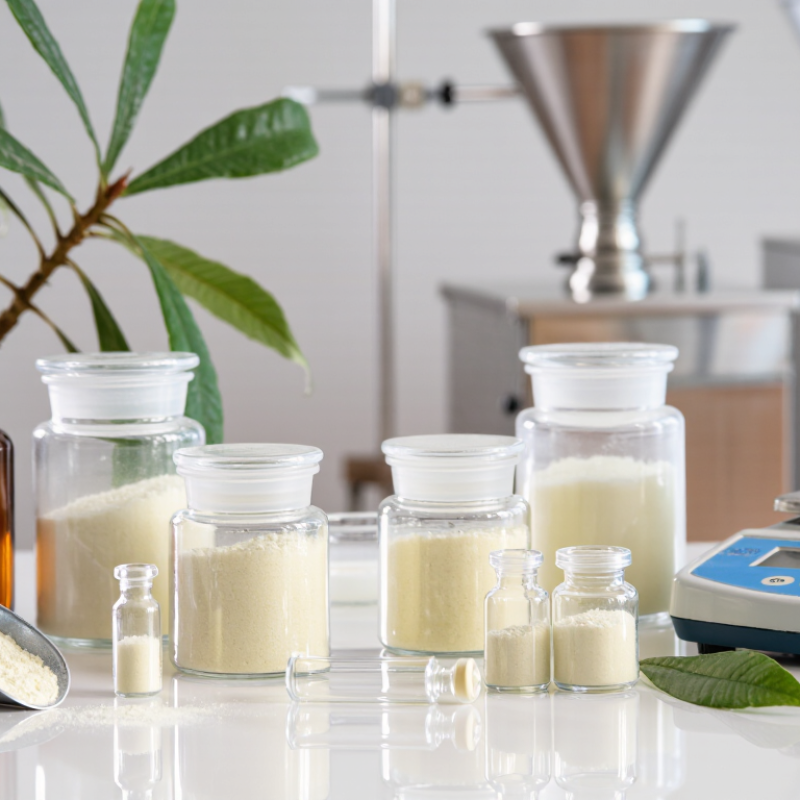
Ursolic acid is a naturally occurring pentacyclic triterpenoid found in apple peels, rosemary, sage, and several medicinal plants. PubChem lists its molecular formula as C30H48O3 and its molecular weight as 456.70 g/mol. The white powder is highly lipophilic, which affects dispersion, absorption, and formulation stability. It is not a simple “one-size-fits-all” ingredient.
Research interest has grown around antioxidant, anti-inflammatory, metabolic, and muscle-related applications. A 2022 review in Molecules described these mechanisms mainly through laboratory and animal studies. Human evidence remains limited. That distinction matters. Ursolic acid is used in research materials, cosmetic formulations, and some nutraceutical development, but laboratory findings should not be presented as proven medical outcomes.
For global buyers sourcing Bulk Ursolic Acid Powder, practical verification begins with the certificate of analysis. Check HPLC assay, particle size, moisture, residual solvents, heavy metals, and microbiological limits. Ask whether testing covers the exact production lot. A clean-looking powder proves little. In my experience, dispersion problems often appear only during pilot blending, especially in water-based systems. Buyers should also review botanical origin, extraction solvents, packaging seals, and storage temperature. Specifications may sound precise, yet “high purity” without a stated test method is incomplete.
Key Factors for Evaluating Ursolic Acid Suppliers
Choosing among the top 10 Ursolic Acid suppliers requires more than comparing prices. Product identity should be confirmed through a current certificate of analysis, HPLC results, purity data, and batch numbers. Ask whether testing covers heavy metals, solvents, microbes, and pesticide residues. A reliable supplier should explain its raw material source and provide traceability from production to shipment. Vague answers are warning signs.
Production standards matter. Review GMP-related procedures, storage conditions, packaging materials, and shelf-life evidence. Check whether the supplier can maintain consistent quality across several batches, not only one sample. Request a small sample before placing a large order. Compare its color, powder flow, odor, and laboratory results with your specification. Delivery history, minimum order quantity, customs documents, and response time also affect real purchasing costs. A low quotation may hide delays or extra testing expenses. I have learned that no supplier is perfect, so documented correction procedures deserve attention too.
Tips: Build a comparison sheet for the 10 suppliers. Record purity, test methods, lead time, sample results, and communication quality. Confirm that Ursolic Acid documentation matches your destination market’s requirements. Do not rely on polished websites alone. Speak with technical staff, request recent batch records, and check whether answers remain consistent. One missed detail can become an expensive lesson.
Top 10 Ursolic Acid Suppliers for Global Buyers
Key Factors for Evaluating Ursolic Acid Suppliers
This neutral 100-point buyer framework prioritizes product quality and documentation, followed by regulatory compliance, contaminant control, supply reliability, commercial terms, and technical support. It is designed for comparing supplier dossiers without displaying company names or brand-specific performance data.
Global Market Standards for Ursolic Acid Quality
Top 10 Ursolic Acid Suppliers for Global Buyers
Global buyers should judge ursolic acid suppliers against documented quality standards, not attractive brochures. Identity testing should confirm the correct botanical source and chemical profile. HPLC results should state assay, detection methods, and acceptance limits. Purity alone is not enough. Buyers also need records for heavy metals, residual solvents, pesticides, and microbiological limits.
A reliable supplier provides a complete certificate of analysis for each batch. The document should include lot numbers, test dates, methods, and authorized approval. Independent laboratory verification adds confidence, especially for larger orders. Manufacturing controls should cover traceability, cleaning procedures, change management, and controlled storage. GMP or equivalent quality systems can support consistency, but certificates must remain current and verifiable.
Packaging matters more than many purchasing teams expect. Light, heat, and moisture may affect long-term stability. Ask for packaging specifications, storage conditions, and stability data. Global shipments also require accurate product descriptions and destination-specific documentation. Requirements differ across markets, so one compliance package may not fit every country. A supplier may answer quickly yet provide weak evidence. That is a warning sign. Even experienced buyers can overlook sampling errors or outdated reports. I would request a retained sample and compare it with the delivered batch. Small gaps deserve attention.
Top 10 Ursolic Acid Suppliers for International Buyers
Top 10 Ursolic Acid Suppliers for International Buyers
International buyers need more than a polished product page when sourcing ursolic acid. A reliable supplier should provide botanical source details, extraction methods, batch-specific COAs, and HPLC purity results. Documents should also cover heavy metals, residual solvents, microbiological limits, and pesticide testing. These details help importers compare the top ten suppliers with greater confidence.
Manufacturing experience matters. Look for suppliers that explain their quality system, traceability process, and production capacity clearly. Samples should arrive in sealed packaging with lot numbers and storage instructions. Ask whether the material is suitable for supplements, cosmetics, or research applications. Phytic Acid is a different compound, so product identity must be checked carefully before any purchase. Small naming errors can create expensive delays.
International trade adds another layer. A dependable supplier should understand export documents, customs requirements, shelf-life expectations, and temperature-sensitive transport when necessary. Communication speed also reveals practical experience. Still, no ranking is perfect. A supplier may offer excellent purity but weak documentation, or strong testing but limited capacity. Buyers should request recent records, compare at least three quotations, and verify claims independently. A low price can hide inconsistent batches. Careful review remains essential.
Comparing Supplier Capabilities, Certifications, and Pricing
A top-ten ursolic acid supplier shortlist should compare evidence, not polished websites. Grand View Research estimated the global botanical extracts market at about US$29 billion in 2023, but ursolic acid remains a smaller, poorly separated segment. Trade databases rarely assign it a dedicated code. That limitation makes supplier-level verification essential.
Capability begins with traceable raw materials, controlled extraction, and validated HPLC testing. Ask for assay results, solvent residues, pesticides, heavy metals, microbiology, and stability data from the same batch. ISO 9001 certification supports process control, while ISO 22000, HACCP, or GMP offers stronger food and supplement relevance. The ISO Survey 2023 recorded more than 1.2 million ISO 9001 certificates worldwide. Certification is common. Product-specific evidence is not.
Pricing comparisons can mislead. A 98% powder should not be compared with a 25% botanical extract. Request three quotations using identical assay, particle size, packaging, Incoterms, and annual volume. Lower offers may exclude testing, temperature-controlled freight, or customs documentation. The gap can become substantial. Suppliers serving nutraceutical manufacturers may also provide formulation support, while broader catalogs can include Docosahexaenoic Acid and other actives. I would not treat catalog breadth as technical strength. That assumption needs testing through an audit, retain samples, and an independently checked certificate of analysis.
Top 10 Ursolic Acid Suppliers for Global Buyers - Comparing Supplier Capabilities, Certifications, and Pricing
| Rank | Supplier Profile | Primary Supply Region | Typical Product Form | Typical Purity | Common Source | Certifications / Systems | Standard MOQ | Indicative Bulk Price | Lead Time | Export Readiness | Best Fit |
| 1 | Supplier Profile A | East Asia | Fine powder; standardized extract | 98%–99% | Loquat or botanical leaves | ISO 9001; GMP; HACCP; COA by batch | 25 kg | US$85–145/kg | 15–30 days | High; export documentation available | Nutraceutical and supplement manufacturers |
| 2 | Supplier Profile B | South Asia | Botanical extract powder | 90%–98% | Herbal leaves and bark | GMP; ISO 22000; HACCP; Halal available | 25–50 kg | US$70–125/kg | 20–35 days | High; supports commercial shipments | Cost-sensitive bulk buyers |
| 3 | Supplier Profile C | Southeast Asia | Standardized powder; custom blends | 95%–98% | Plant leaves | ISO 9001; HACCP; traceability program | 10–25 kg | US$80–135/kg | 20–40 days | Medium-high; flexible packaging options | Private-label and mid-sized brands |
| 4 | Supplier Profile D | East Asia | High-purity powder; laboratory samples | 99% | Botanical leaves | ISO 9001; GMP; third-party testing; allergen statement | 1–10 kg for samples; 25 kg for production | US$110–180/kg | 10–25 days | High; strong technical support | R&D, clinical, and premium formulations |
| 5 | Supplier Profile E | Europe | Pharmaceutical-grade powder | 98%–99% | Controlled botanical raw materials | GMP; ISO 9001; ISO 22000; regulatory documentation | 10–25 kg | US$140–230/kg | 25–45 days | Very high; strong compliance support | Regulated markets and quality-focused buyers |
| 6 | Supplier Profile F | North America | Powder; encapsulation-ready material | 95%–98% | Imported and tested botanical extract | GMP; NSF-related quality programs; HACCP | 10–25 kg | US$125–210/kg | 15–35 days | High; local warehousing possible | North American supplement producers |
| 7 | Supplier Profile G | East Asia | Economy-grade botanical powder | 85%–95% | Leaves and mixed botanical material | ISO 9001; HACCP; basic batch documentation | 50–100 kg | US$55–100/kg | 25–45 days | Medium; buyer due diligence recommended | Bulk industrial and research applications |
| 8 | Supplier Profile H | South America | Plant extract powder | 90%–95% | Regionally sourced botanicals | GMP; HACCP; origin and traceability records | 25–50 kg | US$75–130/kg | 30–50 days | Medium; regional logistics advantage | Buyers seeking diversified sourcing |
| 9 | Supplier Profile I | Southeast Asia | Water-dispersible formulation | 90%–98% | Botanical leaves | ISO 22000; GMP; stability data available on request | 10–25 kg | US$105–175/kg | 25–45 days | Medium-high; formulation support | Functional beverages and soluble products |
| 10 | Supplier Profile J | Middle East and Asia | Powder; contract-manufactured extract | 90%–98% | Leaf-based botanical material | ISO 9001; GMP; Halal; COA and SDS support | 25–50 kg | US$80–140/kg | 30–55 days | Medium; depends on destination | Regional distributors and customized orders |
Note: Price ranges are indicative bulk-market benchmarks in USD per kilogram for orders of approximately 10–100 kg and may vary by purity, extraction method, botanical source, testing requirements, packaging, Incoterms, order volume, and destination. Certification availability and product specifications should be verified directly through current certificates, batch-specific COAs, SDS documents, and regulatory records before purchase.
How to Select and Import Ursolic Acid Safely
Top 10 Ursolic Acid Suppliers for Global Buyers
How to Select and Import Ursolic Acid Safely
A safe supplier shortlist starts with evidence, not a low quotation. Compare the top ten candidates using recent COAs, HPLC chromatograms, batch numbers, and manufacturing records. Confirm botanical source, extraction solvent, assay, particle size, and storage conditions. USP quality guidance supports identity, purity, contaminant, and microbiological testing for botanical materials. Ask for independent laboratory results covering heavy metals, pesticides, residual solvents, and microbial limits. A polished COA is not proof. I would not trust my first shortlist without verifying the laboratory and batch traceability.
Tips: Request a pre-shipment sample. Match its results with the production batch. Check whether the supplier follows GMP, ISO 22000, or an equivalent documented system. Review change-control procedures and complaint handling. Small details matter, such as a sealed foil bag, desiccant, and clear retest date. Do not accept “food grade” as a complete quality description.
Import planning needs equal care. UNCTAD’s Review of Maritime Transport reports that over 80% of global goods trade by volume moves by sea, so moisture, heat, and transit delays deserve attention. Use temperature-appropriate packaging and an agreed Incoterm. Confirm the correct customs classification with a qualified broker. The importer should verify destination-country requirements before payment, including labeling, permitted uses, and certificates of origin. WHO’s global traditional medicine reporting shows use across 170 of 194 Member States, but market acceptance does not replace local compliance. Some documentation may still be incomplete. That risk should be written into the purchase contract.
Thioctanoic Acid Capsules Market Outlook: Insights from Grand View Research’s Dietary Supplements Report
The thioctanoic acid capsules market is gaining attention within the broader dietary supplements sector, supported by growing interest in convenient, clearly labeled nutrition products. Market outlook discussions, including those highlighted in dietary supplements research, often emphasize product quality, formulation flexibility, supply reliability, and consumer-friendly packaging. Bottled thioctanoic acid capsules are suitable for distributors, retailers, and supplement companies seeking a ready-to-market format with professional presentation and adaptable specifications.
This product is available in stock, while customizable options can be developed for businesses with specific market requirements. Private-label services may include customized labels, ingredient specifications, capsule formulations, and packaging designs, helping partners create a product aligned with their positioning and regional preferences. Packaging support can be adjusted for different order sizes and branding concepts, subject to production confirmation. Payment options include bank transfer, card payment, and supported digital transfer services. Shipping can be arranged through international express delivery, standard courier networks, air freight, or sea freight, depending on destination, order volume, and delivery schedule. Supplier coordination can also support document preparation, packaging review, and shipment planning for smoother procurement.
FAQS
Ursolic acid is a natural pentacyclic triterpenoid. It occurs in apple peels, rosemary, sage, and other plants. Its molecular formula is C30H48O3. The powder is usually white and highly lipophilic.
It is studied for antioxidant, anti-inflammatory, metabolic, and muscle-related applications. Much of the evidence comes from laboratory and animal research. Human evidence remains limited. Research is ongoing.
Check HPLC assay, particle size, moisture, residual solvents, and heavy metals. Review microbiological limits and the tested production lot. A stated purity percentage is incomplete without a test method. A clean-looking powder proves little.
Its high lipophilicity can affect dispersion, absorption, and stability. Water-based blends may develop visible dispersion problems during pilot testing. Test a small batch before final production. Do not assume easy mixing.
Request recent certificates, batch numbers, raw-material origin, and traceability records. Ask about extraction solvents, packaging seals, storage temperature, and shelf-life data. Request a sample before placing a large order. Websites are not enough.
Useful tests include HPLC assay, solvent residues, pesticide residues, heavy metals, and microbiology. Stability data can support storage and shelf-life decisions. Testing should match the exact batch. One sample cannot prove consistency.
Compare quotations using identical assay, particle size, packaging, shipping terms, and annual volume. A concentrated powder should not be compared with a low-strength botanical extract. Include testing, freight, customs documents, and possible delays. The cheapest offer may cost more later.
Certifications can indicate process control and documented procedures. They do not replace product-specific evidence. Review recent batch records, retain samples, and independently checked results. Certification helps, but it is not proof alone.
Confirm minimum order quantity, delivery history, response time, customs documents, and correction procedures. Check whether documents satisfy the destination market’s requirements. Communication quality also matters. I might still miss something.
Conclusion
This guide introduces Ursolic Acid, a naturally occurring botanical compound used in research, nutritional formulations, cosmetics, and other regulated applications. It explains why buyers evaluate factors such as purity, source materials, extraction methods, testing procedures, production capacity, documentation, and supply consistency when choosing an international supplier. The article also outlines global quality expectations, including clear specifications, batch traceability, contaminant controls, reliable certificates of analysis, and compliance with applicable safety and trade requirements.
The Top 10 Ursolic Acid Suppliers section provides a practical framework for comparing supplier capabilities without focusing on brand promotion. Readers will learn how to assess certifications, minimum order quantities, lead times, packaging, pricing structures, communication, and after-sales support. The final section presents safe importing considerations, including verifying regulatory documentation, reviewing shipping and storage conditions, confirming product labeling, and conducting independent quality checks before purchase.