Have you heard about Tea Polyphenol? It’s a major compound found in tea that’s been catching quite a lot of attention lately, especially because of all the health perks it offers. Interestingly, a report from Research and Markets predicts that the global market for tea polyphenols could hit around $1.95 billion by 2027 — talk about how much people are into wellness these days! These compounds are pretty amazing because they act as antioxidants, helping to fight off oxidative stress and inflammation in our bodies.
There’s quite a bit of research backing up the benefits of tea polyphenols, especially when it comes to heart health and maNAGing weight. For example, a review published in the Journal of Nutrition pointed out that drinking green tea regularly can actually boost your cardiovascular health, thanks to those polyphenols that help your blood vessels work better. Of course, it’s worth noting that not all tea polyphenols are created equal — their effects can depend a lot on the type of tea you’re drinking and how good its quality is.
So, whether you’re a tea lover or a manufacturer looking into these extracts, it’s important to be mindful of these differences. There’s always a risk of health claims being a bit exaggerated or misleading, so keeping an eye on regulations and scientific research is key. All things considered, there’s still a lot to learn about tea polyphenols — especially about how to use them best for our long-term health. It’s pretty exciting stuff that definitely warrants more research!

Benefits of Tea Polyphenols for Health and Wellness
Tea polyphenols, particularly in green tea extract, are gaining attention for their health benefits. Research indicates that these compounds can play a significant role in enhancing overall wellness. A report by the International Journal of Molecular Sciences mentions that tea polyphenols exhibit powerful antioxidant properties. These antioxidants help combat oxidative stress, which is linked to chronic diseases, including heart disease and diabetes.
Furthermore, studies show that Green Tea Extract Polyphenol may enhance metabolic rate and fat oxidation. A meta-analysis published in the Journal of Nutrition found that participants consuming green tea extracts experienced a notable reduction in body fat. This suggests a potential benefit for weight management and metabolic health. However, it's essential to consider individual responses to these extracts, as effects can vary widely.
Beyond metabolic benefits, tea polyphenols may improve brain function. Research in the journal Nutritional Neuroscience indicates that regular consumption of tea can enhance cognitive performance. Despite these promising findings, some studies mention mixed results regarding the extent of these benefits. Variability in dosage and individual health conditions can influence outcomes, prompting further investigation.
Antioxidant Properties of Tea Polyphenols Explained
Tea polyphenols are a unique group of compounds found in tea. Their antioxidant properties are remarkable. These compounds help neutralize free radicals in the body. Free radicals can damage cells, leading to various health issues. Consuming Tea Polyphenol Powder regularly might support overall health. Research suggests that tea polyphenols can enhance immune function. A stronger immune system means better defense against infections.
In addition to immune support, tea polyphenols may promote heart health. They can improve blood vessel function and reduce blood pressure. However, the efficacy varies among individuals. Some people might not experience significant benefits. This inconsistency makes it essential to understand personal health conditions. Moreover, the absorption of tea polyphenols can depend on dietary habits.
Incorporating tea polyphenol powder into daily routines can be simple. It can be added to smoothies or baked goods. Yet, moderation is key. Excess consumption might lead to digestive issues. Individual responses to tea polyphenols will differ. Adjusting intake based on personal experience will yield the best outcomes. Exploring the full potential of tea polyphenols requires careful observation and reflection.
Impact of Tea Polyphenols on Heart Health
Tea polyphenols have gained attention for their potential impact on heart health. Studies suggest that these natural compounds can improve cardiovascular function. Research published in the "Journal of Nutrition" indicates that regular tea consumption is linked to a 20% reduction in heart disease risk among adults. The antioxidants found in tea polyphenols help reduce oxidative stress, a key factor in heart disease.
Moreover, tea polyphenols may assist in improving cholesterol levels. They can lower LDL cholesterol, commonly known as "bad" cholesterol. A study conducted by the American Heart Association showed that individuals incorporating tea polyphenols into their diets experienced a significant decrease in cholesterol levels. However, not all individuals respond similarly to these benefits, highlighting the need for personalized dietary approaches.
Tips: To incorporate tea polyphenols into your diet, consider pairing them with nutrient-rich foods. Adding Apple Polyphenol Powder to smoothies or oatmeal can enhance your antioxidant intake. Remember, moderation is key. Over-reliance on supplements without a balanced diet could lead to health imbalances. Listening to your body and seeking professional advice is crucial. Consider tracking your heart health regularly to see how dietary changes impact your well-being.
Role of Tea Polyphenols in Weight Management
Tea polyphenols are gaining attention for their role in weight management. These natural compounds found in tea are known for their antioxidant properties. They can support metabolic health and may aid in fat oxidation. Studies suggest that tea polyphenols help improve the body's ability to burn fat.
When integrated into a weight management plan, tea polyphenols might enhance the effects of exercise. They can increase energy expenditure, which is crucial for those looking to maintain a healthy weight. In addition, some research indicates that these compounds may help regulate appetite. Keeping cravings in check can be a challenge for many.
However, relying solely on tea polyphenols for weight loss is not realistic. Lifestyle factors, like diet and physical activity, must also play a role. There can be significant variations in how individuals respond to tea polyphenols. Some may experience noticeable benefits, while others may see minimal effects. It's important to consider these nuances when evaluating their role in weight management.
Tea Polyphenols and Their Anti-Inflammatory Effects
Tea polyphenols are powerful compounds found in tea leaves. They have gained attention for their anti-inflammatory effects. Inflammation is a common issue that can lead to various health problems. Drinking tea rich in these polyphenols may help reduce inflammation in the body. Studies suggest that these compounds can lower the production of inflammatory markers.
Research shows that tea polyphenols can modulate the immune response. This modulation helps to prevent chronic diseases associated with long-term inflammation. Regular consumption can promote a healthier lifestyle. However, individual results may vary, and not everyone may experience the same benefits. It’s important to consider other factors like diet and exercise.
Some people may be sensitive to caffeine found in tea. This can lead to increased heart rate or insomnia for some. It’s essential to listen to your body and adjust your tea intake accordingly. Finding the right balance is crucial for maximizing the positive effects of tea polyphenols while minimizing potential side effects. Understanding your own body's reactions is vital for making the most of these beneficial compounds.
Benefits of Tea Polyphenols for Skin Health
Tea polyphenols are gaining attention for their numerous skin health benefits. Rich in antioxidants, these compounds combat free radicals that lead to skin aging. Incorporating tea polyphenols into your skincare routine can enhance skin elasticity and hydration.
Research shows that these polyphenols improve skin texture and reduce blemishes. They also possess anti-inflammatory properties, helping soothe irritated skin. However, the effectiveness of tea polyphenols can vary among individuals. Some might not experience significant changes, prompting a reevaluation of their skincare approach.
Another element worth noting is the similarity between tea polyphenols and Apple Polyphenol. Both contribute to skin health and overall well-being. The synergy of different polyphenols can support a radiant complexion. It’s essential to explore various sources for the best results while being mindful of individual skin types and reactions.
Top 10 Tea Polyphenol Benefits for Global Buyers
| Benefit | Description |
| Antioxidant Properties | Tea polyphenols help to combat oxidative stress and protect cells from damage. |
| Skin Hydration | Enhances skin moisture retention, making skin appear more vibrant and youthful. |
| Anti-Inflammatory | Reduces redness and swelling in the skin, improving overall complexion. |
| Photo-Protective Effects | Helps protect skin against UV damage, reducing risk of sunburn and skin cancer. |
| Anti-Aging | Fights free radicals, which can slow down the aging process of skin cells. |
| Skin Repair | Promotes healing and repair of damaged skin, aiding in scar reduction. |
| Moisturizing | Enhances skin moisture content, contributing to smoother skin texture. |
| Skin Tone Improvement | Helps in evening skin tone and reducing hyperpigmentation. |
| Wound Healing | Assists in the healing of minor cuts and wounds through its anti-inflammatory properties. |
| Acne Treatment | Tea polyphenols can help to alleviate acne and prevent further outbreaks. |
How Tea Polyphenols Support Cognitive Function and Mental Clarity
Tea polyphenols have gained attention for their potential cognitive benefits. These natural compounds present in tea, particularly green tea, have been linked to enhanced mental clarity. Research suggests they may support brain function by improving memory and focus.
One significant aspect of tea polyphenols is their antioxidant properties. Antioxidants help combat oxidative stress, which can damage brain cells. This damage is often linked to cognitive decline. Studies indicate that regular consumption of tea rich in polyphenols could offer protective effects, helping maintain cognitive function over time.
Moreover, tea polyphenols can influence mood regulation. They have been shown to promote relaxation and reduce anxiety. The calming effects may result from improved blood flow to the brain. However, individual responses can vary. Some may find it beneficial, while others may experience minimal effects. This variance highlights the importance of personal experience when exploring the impact of tea polyphenols on mental clarity.
Unlocking the Benefits of Bulk Green Tea Extract Powder Capsules: Your Guide to OEM Private Label Opportunities
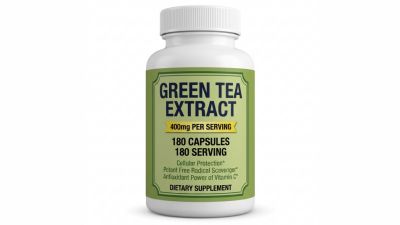
Bulk green tea extract powder capsules are gaining popularity, especially in the wellness and dietary supplement industry. A pivotal reason for this surge is the recognized health benefits attributed to green tea extract, including its antioxidant properties and potential to boost metabolism. According to industry reports, the global green tea market was valued at approximately $13.5 billion in 2020, and the extract segment is projected to grow significantly, driven by consumer demand for healthy alternatives. More specifically, green tea extract capsules, comprising 400mg of extract and 60mg of vitamin C per serving, align with the current trend of consumers seeking convenient and effective health solutions.
With 180 servings per bottle and a vegetarian-friendly formulation, these capsules represent an attractive product for private label or OEM business opportunities. The ease of incorporating such a product into one's health regimen—one capsule daily—appeals to consumers looking for simplicity without compromising on benefits. The potential for partnering with manufacturers who offer labeling services, coupled with flexible payment methods like T/T, VISA, and Alipay, can facilitate a seamless entry into the supplement market. Furthermore, shipping options such as DHL and FedEx ensure timely distribution, catering to the needs of a demanding market that values quick access to health products.
As more people become health-conscious, the demand for green tea extract will likely rise. The ability to offer customizable packaging solutions while ensuring quality through reputable sourcing creates a unique selling proposition for retailers interested in engaging with this booming segment of the health and wellness industry.
FAQS
: Tea polyphenols are unique compounds found in tea known for their antioxidant properties.
They help neutralize free radicals, protecting cells from damage and supporting overall health.
Yes, they may enhance immune function, improving defense against infections.
Yes, they can improve cardiovascular function and may reduce heart disease risk.
You can add tea polyphenol powder to smoothies or baked goods for easy incorporation.
Yes, excessive intake might lead to digestive issues, so moderation is essential.
No, individual responses vary widely; some may experience significant benefits, while others may not.
They may support metabolic health and fat oxidation when part of a comprehensive weight management plan.
Yes, absorption can depend on your overall dietary habits and health conditions.
No, it's important to combine them with a balanced diet and regular exercise for effective weight management.
Conclusion
Tea polyphenols are powerful compounds found in tea that offer a range of health benefits crucial for overall wellness. Their robust antioxidant properties help combat oxidative stress, promoting heart health by improving blood circulation and reducing cholesterol levels. In addition, tea polyphenols play a significant role in weight management by boosting metabolism and enhancing fat oxidation, making them an ally for those aiming to maintain a healthy weight.
Furthermore, tea polyphenols have notable anti-inflammatory effects, which can benefit skin health by reducing signs of aging and promoting a radiant complexion. They also support cognitive function and mental clarity, enhancing brain health and potentially reducing the risk of neurodegenerative diseases. With such diverse benefits, tea polyphenols are an essential addition to a health-conscious lifestyle, serving as a natural means to improve various aspects of health and well-being.