People in China have been growing loquats for a long time, and those leaves are actually pretty useful—they’re turned into botanical extracts for food, drinks, and even personal-care stuff. But here’s the thing: two products can have almost identical labels and still be completely different. The plant species, the extraction method, how concentrated it is, even the carrier ingredients—all of that can vary. So yeah, the little details are what really matter.
This guide walks you through ten Chinese manufacturers of Loquat Leaf Extract and gives you some practical things to consider when comparing them. It’s mostly based on publicly available product info, manufacturing capabilities, and quality documentation—wherever that’s available. Before you make a decision, be sure to ask for the botanical name, the exact plant part used, the extract ratio, solvent details, and a recent certificate of analysis. So what you want to check is whether the document actually mentions the specific batch that was tested and the relevant specs—not just a generic product sheet. A straight answer is always nice, obviously. But a fancy brochure? That doesn't really prove anything by itself.
Look, supplier details can shift over time, and what’s posted publicly doesn’t always tell the whole story about how something’s actually made. So think of this list more like a good starting point than a stamp of approval. Before you commit to an order, ask for a sample and check that its color, smell, solubility, and listed specs line up with what you need. And don’t just take their word for it—reach out to each company directly to verify certifications and traceability records. A few details might stay murky until a buyer actually asks the right questions—and that’s worth flagging, not brushing aside. When teams take the time to really compare options, they’re more likely to land on a supplier with solid documentation, clear communication, and specs they can double-check.
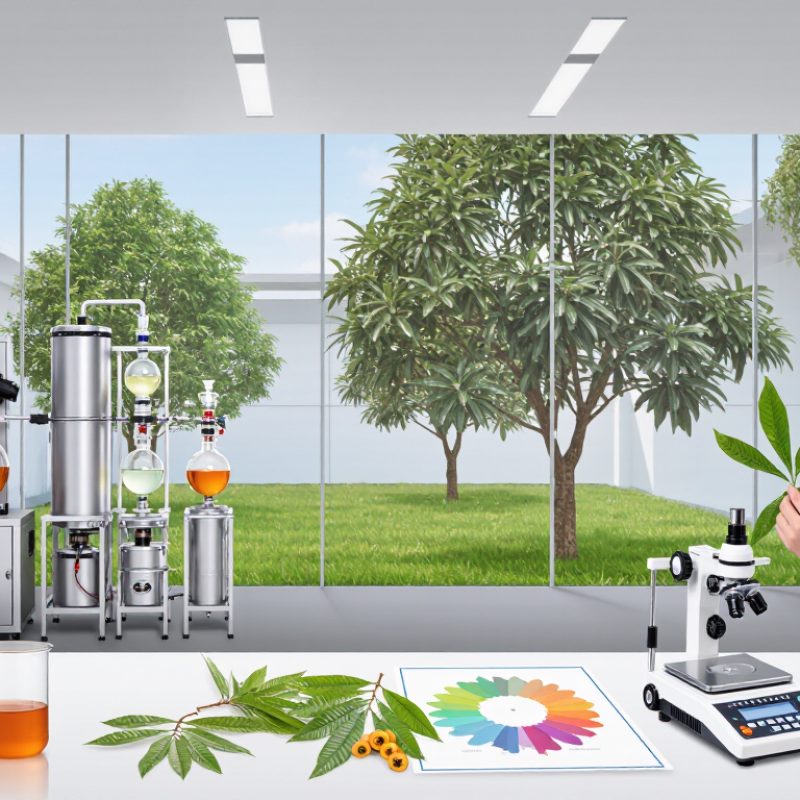
Loquat Leaf Extract: Definition, Composition, and Common Uses
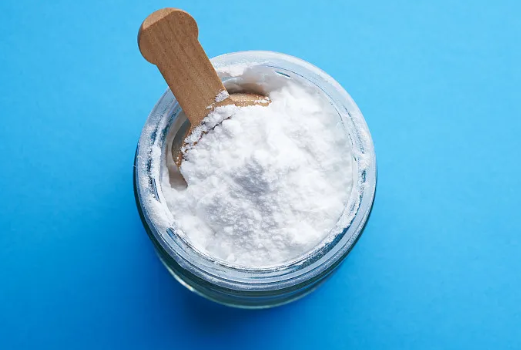
Loquat leaf extract is made from the leaves of Eriobotrya japonica, an evergreen tree grown in parts of China and other regions. Manufacturers typically dry and mill the leaves, then use water or another suitable solvent to draw out selected compounds. The result may be a liquid, powder, or concentrated extract.
Details matter. Solvent, temperature, and extraction time can change its color, aroma, and chemical profile.
The leaves contain several groups of plant compounds, including polyphenols, flavonoids, and triterpenes. Chlorogenic acid is often measured as one quality marker, but it does not describe the whole extract.
Not identical. Two batches can differ because of harvest season, leaf maturity, and processing conditions.
Common uses include traditional herbal preparations and research into food, personal-care, and wellness ingredients. These uses do not prove that an extract treats or prevents disease.
Buyers and product developers should review botanical identity, extraction details, contaminant testing, and batch-specific analytical results. A tidy specification sheet helps, though real-world variation still deserves attention.
How Loquat Leaves Are Processed into Extract
Loquat leaf extract production starts with correct plant identification and careful leaf selection. Mature leaves are inspected for discoloration, insect damage, and excess surface debris. After washing, they are dried under controlled conditions to limit moisture and protect sensitive constituents. Overheating can affect quality, so temperature and drying time need monitoring.
The dry leaves are milled into a consistent powder, then extracted with a specified solvent, often water or food-grade alcohol. The extract is filtered and concentrated; it may then be dried into powder. Good process records should show the raw material’s origin, extraction conditions, and batch details.
Finished material can be assessed for identity, moisture, microbial quality, and relevant contaminants. These checks matter. A polished powder alone does not prove consistency. Senna Leaf Extract comes from a different plant, so the names and raw materials must not be confused.
Tips: Ask suppliers how they identify leaves and control drying. Request batch-specific test results, not only a general product sheet. Details can vary by process, and that variability deserves honest review.
Quality Standards and Certifications for Chinese Suppliers
For a “Top 10 Loquat Leaf Extract Manufacturers in China” shortlist, compare documented quality systems, not certificate logos alone. ISO’s 2023 Survey recorded roughly 45,000 valid ISO 22000 food-safety certificates worldwide. This indicates broad adoption, but does not verify a specific extract’s identity or purity. Ask whether the certificate covers the actual production site and relevant processing activities.
Request a recent batch certificate of analysis showing botanical identity, moisture, microbial results, and tests for heavy metals and pesticide residues. Check that methods and acceptance limits are stated, and confirm that an independent laboratory performed or verified the testing. For Chinese suppliers, review applicable food-production hygiene documentation and traceability records, including lot codes linking incoming leaves to finished extract. A neat PDF is not enough. Gaps can remain.
Tips: Ask for a redacted sample report and match its lot number to a physical label. Keep Moringa Leaf Extract records separate; similar plant extracts do not share the same identity tests. Compare specifications before requesting samples, and record unanswered questions. A supplier may have strong paperwork yet provide incomplete batch-level evidence. That deserves follow-up, not an automatic rejection.
Key Factors for Evaluating Loquat Leaf Extract Manufacturers
When assessing loquat leaf extract manufacturers in China, look beyond product brochures. Ask how leaves are identified, cleaned, and stored before extraction. A clear process should connect incoming raw material records with finished-batch numbers. Small details count. Check whether the supplier can explain its extraction method and provide a specification sheet with measurable limits for key markers.
Request recent batch test reports, not only a sample certificate. They should cover identity, composition, moisture, and relevant contaminant screening, with methods and results clearly shown. Paperwork matters. If a manufacturer also processes Ginkgo Biloba Leaf Extract, ask how materials, tools, and storage areas are separated to reduce mix-ups. Verify that the documents describe loquat leaf extract specifically, rather than a generic botanical product.
A facility audit or live video walkthrough can help confirm basic controls, such as labeled containers and orderly sampling areas. Compare samples from more than one production batch; color and odor may vary naturally, but unexplained differences deserve questions. I would not treat a polished presentation as proof of consistency. Ask about lead times, minimum order quantities, and how deviations are handled. Some answers may remain incomplete, so record open questions before placing an order.
How to use this chart: These suggested weights are a buyer-assessment framework, not measured industry statistics or ratings of specific manufacturers. Assess each supplier using verifiable documents, test results, and facility records.
Profiles of 10 Loquat Leaf Extract Manufacturers in China
Profiles of 10 Loquat Leaf Extract Manufacturers in China
A practical manufacturer profile starts with its raw-material sourcing. Profile 1 focuses on growers and records harvest locations and leaf condition. Profile 2 emphasizes sorting, removing damaged leaves before processing. Profile 3 specializes in washing and controlled drying, with attention to temperature and moisture. Profile 4 offers extraction services and should explain its solvent and process parameters. Profile 5 concentrates on filtration and checks for visible residue. Small details matter.
Profile 6 highlights batch testing, including identity and moisture checks. Profile 7 supplies standardized extracts and should provide clear marker-compound specifications. Profile 8 offers custom particle sizes and packaging for different production needs. Profile 9 serves export buyers, with traceable batch documents and consistent labels. Profile 10 combines several processing steps, which may simplify purchasing but deserves careful review of each stage.
Ask for a recent certificate of analysis, sample, and production-flow description before comparing suppliers. A catalogue alone is not enough. Ginkgo Leaf Extract Powder is a separate product category, so its specifications should not be used to judge loquat leaf extract. Real batches can vary; that is worth acknowledging.
Sourcing, Sampling, and Verifying a Chinese Supplier
When comparing the top 10 loquat leaf extract manufacturers in China, start with the exact material you need. Ask for the botanical name, plant part, extraction solvent, extract ratio, and intended use. A supplier should explain how these details appear on its specification sheet and batch documents. Vague answers are worth noting.
Request a recent sample and a matching certificate of analysis before discussing large orders. Check that the lot number on the sample matches the paperwork. Record its color, odor, powder texture, and how it disperses in water. These observations do not replace laboratory testing. They do help identify obvious differences between samples. Paperwork can look convincing. It is not proof. For key quality parameters, arrange independent testing through a qualified laboratory, and agree on methods before shipment.
Verify the supplier’s registered business details, production location, quality procedures, and ability to trace raw leaves to finished batches. Ask how it controls moisture, microbial limits, pesticide residues, and heavy metals, where relevant to your product and market. Request audit records or arrange a facility assessment when practical. Some suppliers may not share every internal record. That is a limitation, not automatic evidence of poor quality. Keep written specifications, sample approvals, and change-control terms. Small details matter. A slightly unclear test method can create costly disagreements later.
Conclusion
Loquat Leaf Extract is a botanical ingredient made from loquat leaves and valued for its naturally occurring plant compounds and potential uses in food, wellness, and personal care products. Its composition and quality can vary depending on the leaves’ origin, harvest conditions, extraction method, and concentration. Understanding how the leaves are cleaned, dried, processed, and tested helps buyers assess whether an extract is suitable for their intended application.
This guide introduces ten Chinese manufacturers and explains how to compare suppliers based on production capabilities, quality controls, documentation, certifications, and consistency. It also outlines practical steps for sourcing, requesting samples, and verifying a supplier’s information before placing an order. By evaluating these factors carefully, buyers can make more informed decisions and select a dependable source of Loquat Leaf Extract.