When it comes to sourcing DHA, global buyers quickly realize it’s not just about having a long list of suppliers. What really counts is quality you can trust, consistent production capacity, transparent sourcing, and solid technical support that actually helps. In this guide, we’ve taken a closer look at some established players like DSM-Firmenich, KD Pharma, Epax, Croda, and GC Rieber VivoMega. Keep in mind, each of these suppliers might serve different needs—whether it’s infant nutrition, dietary supplements, functional foods, or specialized formulations.
Here’s the thing: quality isn’t just about certifications. Buyers should dig into the product specs—look at how oxidation is controlled, check batch-to-batch consistency, and prefer suppliers who can provide detailed traceability and independent test results. Certifications are good, but they don’t tell the whole story. Experience matters too—especially since marine oils can be influenced by raw material seasonality, processing methods, and storage conditions. Small details, like peroxide levels, anisidine values, packaging atmosphere, and the records of delivery, can make a huge difference.
Professor Michael Crawford once pointed out that “DHA is the most abundant omega-3 fatty acid in the brain and retina,” which really highlights why buyers should pay attention to both purity and the specific application. But even a shiny supplier profile can leave some questions unanswered. No list or ranking is perfect forever—capacities shift, certifications expire, and regional regulations can change. That’s why this overview is meant to help you compare options thoughtfully, not replace thorough technical due diligence.
Ultimately, the best partner isn’t necessarily the biggest company—it’s the one that can consistently deliver quality you can verify and depend on. Before making any decision, be sure to ask for recent documents, test samples, proof of sustainability, and clear commercial terms. Finding a reliable DHA supplier is all about matching solid quality with dependable delivery—every time.
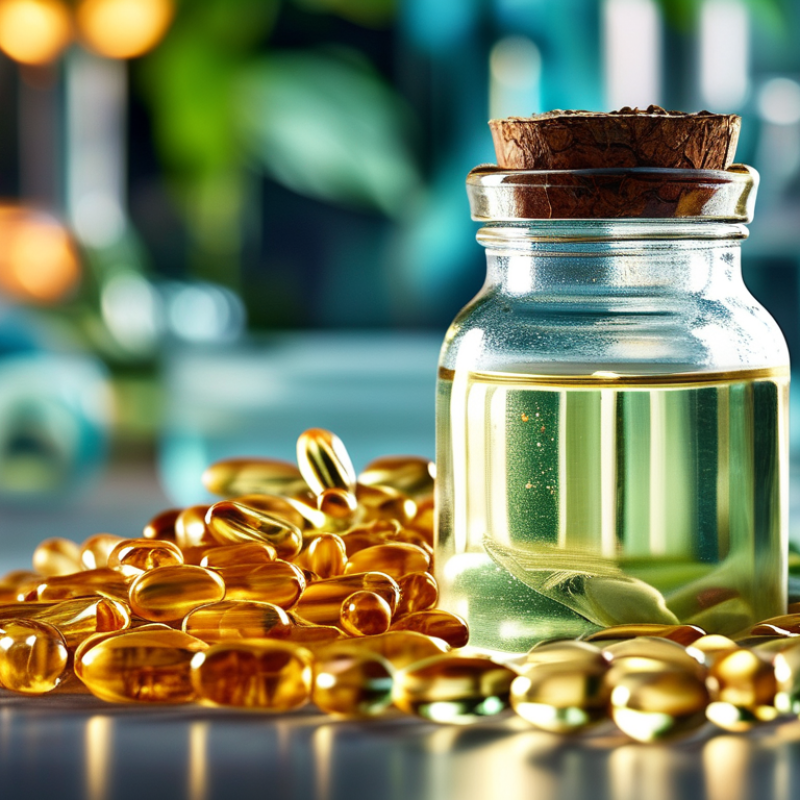
Docosahexaenoic Acid, commonly called DHA, is a long-chain omega-3 fatty acid. It supports normal brain, eye, and nervous system development. DHA is naturally present in human tissues, especially the retina and brain. Food sources include oily fish, marine organisms, and cultivated algae. Docosahexaenoic Acid Powder offers a practical format for supplements, nutrition products, and specialized formulations. Its powder form can improve handling, blending, and measured dosing during manufacturing.
Why Is It Globally Sourced?
DHA production depends on different resources and technical capabilities across regions. Algae-based DHA may come from controlled fermentation facilities, while marine-derived DHA relies on carefully maNAGed fisheries and purification systems. Global sourcing helps buyers compare concentration, production capacity, delivery schedules, and processing methods. It also supports supply continuity when one region faces crop changes, transport delays, or energy constraints. However, wider sourcing adds complexity. It is not automatically better.
Experienced procurement teams review certificates of analysis, fatty acid profiles, oxidation values, allergen statements, and contaminant testing. They also examine traceability from raw material to finished Docosahexaenoic Acid Powder. A certificate alone is not proof. Independent testing can reveal inconsistencies between documents and shipments. Buyers should assess packaging, storage temperature, and shelf-life data before approving a supplier. Even strong systems can have gaps, especially when information passes through several intermediaries. That uncertainty deserves careful review.
DHA suppliers usually fall into four practical groups: algal oil producers, fish oil refiners, ingredient distributors, and custom formulators. Algal producers supply vegan DHA, often as liquid oil in sealed drums. Their products suit infant nutrition, functional foods, and dietary supplements. Fish oil refiners provide DHA-rich concentrates, commonly in triglyceride or re-esterified triglyceride forms. These oils may arrive in bulk tanks, drums, or softgel-ready blends.
Ingredient distributors offer broader access to standardized DHA grades. They may stock ethyl ester oils, emulsions, powders, and water-dispersible preparations. Powdered DHA often uses microencapsulation, which helps protect the oil from oxygen, light, and heat. It can be mixed into sachets, tablets, or fortified foods. Custom formulators go further. They adjust concentration, flavor, particle size, and packaging for a buyer’s production line. Useful support includes certificates of analysis, oxidation data, allergen statements, and traceability records.
Technical review still matters. A bright sample does not prove freshness. Buyers should check peroxide value, anisidine value, total oxidation, DHA assay, and storage conditions. Shelf-life claims deserve careful questioning. They can change after opening. For plant-based products, buyers may also review mineral interactions when DHA is combined with cereal or legume ingredients containing Phytic Acid. This compound may bind minerals, creating formulation concerns unrelated to DHA purity. A supplier’s documentation should explain such limits clearly. Sometimes, the paperwork looks stronger than the testing. That deserves a second review.
Reliable DHA manufacturing is concentrated in regions with strong marine processing, analytical testing, and export infrastructure. Northern Europe has long experience with refined fish oils and strict quality controls. Manufacturers there often provide detailed traceability, oxidation data, and batch documentation. Cold storage is common, which helps protect DHA from heat and air exposure.
Asia-Pacific remains a major production center because of its large seafood industry and advanced refining capacity. Facilities in this region may offer flexible volumes, concentrated DHA, and customized formats for food and nutritional applications. Buyers should inspect supplier audits, allergen controls, contaminant testing, and packaging conditions. Distance can complicate shipping, though. A dependable cold chain still matters more than a low quoted price.
North America supports DHA supply through sophisticated laboratories, regulatory teams, and established logistics networks. Some facilities can coordinate small trial batches before full-scale purchasing. This is useful when checking flavor, stability, and capsule performance. DHA should not be confused with Lipoic Acid, which has different chemical properties and applications. No region is flawless. Even a well-documented supplier may experience seasonal raw material changes or delayed testing. Global buyers should compare recent certificates, production records, and response times instead of relying on reputation alone.
Top Docosahexaenoic Acid Suppliers for Global Buyers
How Global Buyers Should Evaluate DHA Supplier Quality
DHA quality starts long before a shipment reaches the warehouse. Buyers should ask for the marine or algal source, species, extraction method, and concentration. A clear lot number must connect the raw material, test report, and finished container. Do not accept a generic certificate of analysis. It may describe an average product, not your batch. Request independent results for peroxide value, p-anisidine value, TOTOX, DHA assay, heavy metals, dioxins, and microbiology. Freshness matters. Oxidized oil can carry a sharp odor and reduced performance.
Then inspect the supplier’s quality system, not only its sales documents. Ask how samples are retained, deviations are investigated, and complaints are closed. Check whether laboratories use validated methods and calibrated instruments. Review storage temperatures, nitrogen protection, light exposure, and shipping records. A sealed drum is not automatically a stable drum. Traceability should work backward within hours, not days. Regulatory files should match the destination market, including allergen statements, sustainability evidence, and permitted claims.
A remote audit can reveal less than a site visit. That limitation deserves attention. Send a representative sample to an independent laboratory before signing a long contract. Repeat testing periodically and compare results across lots. One impressive report proves very little. Price matters, but unusually low pricing may indicate weaker purification or inconsistent concentration. Reliable suppliers answer difficult questions plainly. That often matters more than polished marketing.
| Evaluation Dimension | Relevant DHA Supply Format | Quality Benchmark or Buyer Requirement | Verification Evidence | Global Buyer Consideration |
|---|---|---|---|---|
| DHA concentration | Fish oil concentrate, algal oil, or specialty DHA oil | The declared DHA percentage must match the product specification and batch result. Commercial products may range from low-concentration marine oils to highly concentrated DHA oils, so buyers should compare on a cost-per-gram-of-DHA basis. | Batch-specific certificate of analysis using gas chromatography with flame-ionization detection (GC-FID), including the fatty-acid profile and calculation basis. | Do not compare suppliers using total oil price alone; normalize the quotation by DHA content, dosage, yield, and shipping terms. |
| Molecular form | Triglyceride (TG), re-esterified triglyceride (rTG), ethyl ester (EE), or phospholipid form | The chemical form must be clearly identified because it affects formulation, labeling, processing, and customer expectations. No form should be treated as universally superior for every application. | Product specification, compositional analysis, manufacturing-process description, and supporting identity data. | Match the form to the intended use, such as infant nutrition, dietary supplements, food fortification, or pharmaceutical development. |
| Oxidation control | All unsaturated DHA oils, especially bulk liquid oils | For suppliers following the voluntary GOED monograph for omega-3 oils, commonly referenced limits are peroxide value (PV) of 5 meq O2/kg or less, p-anisidine value (p-AV) of 20 or less, and TOTOX of 26 or less. Contract specifications may be stricter. | Recent batch results for PV, p-AV, and TOTOX, plus testing dates, laboratory methods, and storage history. | Set acceptance limits at shipment and, where relevant, at the end of shelf life. Evaluate nitrogen flushing, antioxidants, packaging, and temperature controls. |
| Contaminant control | Marine-derived fish oil and other ocean-sourced materials | Heavy metals, dioxins, dioxin-like PCBs, non-dioxin-like PCBs, and other regulated contaminants must comply with the destination market's legal limits. | Independent laboratory reports using suitable methods such as ICP-MS for metals and validated GC-based methods for dioxins and PCBs. | Confirm compliance separately for every target market because limits and documentation requirements differ by jurisdiction. |
| Microbiological quality | Oil, powder, emulsion, and encapsulated DHA ingredients | Microbiological limits should be defined according to the product form, intended use, customer specification, and applicable food or pharmaceutical requirements. | Batch testing for total aerobic count, yeast and mold, specified pathogens, and other applicable indicators. | Powders and emulsions generally require more detailed microbiological controls than anhydrous bulk oil. |
| Source traceability | Wild-caught fish oil, farmed marine sources, or microalgal fermentation oil | The supplier should identify the biological source, country or region of origin, production site, lot number, and chain-of-custody controls. | Traceability procedure, lot records, supplier approval documents, mass-balance records, and recall-test results. | Traceability is essential for regulatory inquiries, sustainability claims, customer audits, and rapid recall management. |
| Sustainability profile | Marine oil or algae-based DHA | Claims about responsible fisheries, by-product utilization, algae cultivation, carbon footprint, or certifications must be supported by verifiable records. | Valid certification documents where applicable, fishery or feedstock documentation, sustainability policy, and third-party audit evidence. | Algal DHA may help customers seeking a non-fish source, while marine DHA may require closer review of fishery and feedstock provenance. |
| Manufacturing-system certification | Food, nutrition, and pharmaceutical-grade DHA ingredients | A documented food-safety system based on HACCP is expected. ISO 22000, FSSC 22000, GMP, or equivalent certification may be required depending on the application. | Current certificates, scope of certification, audit reports, corrective-action records, and manufacturing-site details. | Check that the certificate covers the actual DHA product and manufacturing site rather than only an unrelated corporate location. |
| Regulatory documentation | DHA ingredients supplied across multiple jurisdictions | The supplier should provide a complete technical dossier covering specification, allergens, GMO status, irradiation status, novel-food or new-ingredient status where relevant, and permitted claims. | Technical data sheet, safety data sheet where applicable, regulatory statements, allergen declaration, and market-specific compliance documents. | Review the dossier before commercial sampling to reduce delays during import registration and customer approval. |
| Stability and shelf life | Bulk oils, powders, emulsions, and finished premixes | Shelf life must be supported by real-time or appropriately designed stability data under the recommended storage conditions. | Stability protocol, retained-sample data, packaging specification, recommended temperature, oxygen-control measures, and expiry rationale. | Assess expected transit time, climate exposure, cold-chain needs, and container integrity before approving the shelf-life claim. |
| Sensory quality | DHA oil, emulsion, and consumer-facing nutrition products | The ingredient should meet agreed limits for odor, taste, color, and visible impurities, with no unacceptable rancid or fishy notes for the intended application. | Sensory specification, retained-sample comparison, deodorization information, and documented complaint trend. | Conduct application testing in the final product because masking performance can differ by formulation, dosage, and packaging. |
| Supply continuity | Contract manufacturing and long-term ingredient programs | The supplier should demonstrate adequate production capacity, safety stock policy, lead-time consistency, and contingency planning for raw-material or logistics disruptions. | Historical on-time delivery data, capacity statement, business-continuity plan, minimum order quantity, and lead-time commitment. | Use at least two qualified sources for critical applications whenever practical, while maintaining consistent specifications between sources. |
| Commercial and logistics terms | Bulk drums, totes, flexitanks, powder bags, or finished dosage forms | Quotation should state Incoterms, packaging size, net weight, payment terms, minimum order quantity, production lead time, and documentation charges. | Formal quotation, packaging specification, export documents, insurance terms, and agreed quality or rejection clauses. | Compare total landed cost, including freight, duties, testing, temperature control, storage, and potential nonconformance costs. |
Buyer note: Quality limits and regulatory requirements should be confirmed against the laws of the destination market, the intended application, and the signed product specification. The GOED oxidation values shown above are voluntary industry reference values and should not replace applicable legal requirements or customer-specific limits.
Global DHA buyers should judge suppliers against measurable international controls, not attractive product claims. The Codex Alimentarius Standard for Fish Oils, CXS 329-2017, sets oxidation benchmarks, including peroxide value up to 5 meq/kg and p-anisidine value up to 20. Its combined TOTOX limit is 26. These figures matter because oxidized oil may develop an unpleasant taste and reduced consumer acceptance.
Purity testing must cover more than DHA concentration. The GOED Voluntary Monograph recommends testing for oxidation, heavy metals, environmental contaminants, and microbial quality. Buyers should request batch-specific certificates of analysis, laboratory methods, detection limits, and sampling dates. Independent laboratory verification is stronger than a supplier-issued document alone. Small details matter.
Traceability should connect each finished batch to its oil source, processing site, transport record, and packaging date. ISO 22005 principles support documented feed and supply-chain tracking. A QR code helps, but it is not evidence by itself. In practice, a missing transfer record can weaken an otherwise impressive compliance file. Buyers should also check storage conditions, since heat, oxygen, and light can accelerate deterioration. Standards reduce risk, but they do not remove the need for technical judgment.
Global DHA procurement begins with a clear product specification. Buyers should confirm DHA concentration, source, form, oxidation limits, and intended application. A supplier’s certificate of analysis should match every shipment lot. Check peroxide value, anisidine value, heavy metals, allergens, and microbiological results. Small details matter.
Pricing changes with concentration, origin, refining method, packaging, and contract volume. A low quoted price may exclude testing, insurance, freight, or import duties. Ask for tiered pricing at 25, 100, and 500 kilograms. Minimum orders often range from one drum to a full pallet. Smaller trial orders can cost more per kilogram. Request a written quote with validity dates and payment terms.
Logistics require practical planning. DHA oil may need light-resistant drums, nitrogen protection, and controlled temperatures. Powdered DHA can follow different storage requirements. Confirm shelf life at dispatch, not only at production. Agree on Incoterms, export documents, HS classification, and delivery lead time. Air freight suits samples, while sea freight reduces large-volume costs. Use temperature and shock indicators when routes are complex. Α-Lipoic Acid is a separate ingredient and should never be listed as DHA in purchase documents. That mistake is possible, especially with mixed formulations. Review labels twice. Supplier audits, traceability records, and responsive technical support provide stronger assurance than attractive pricing alone.
?
Different regions offer different resources and processing capabilities. Some facilities use controlled algae fermentation. Others refine marine oils through purification systems. Global sourcing can reduce supply disruptions. It also adds complexity.
Confirm the DHA concentration, source, form, and intended use. Review fatty acid profiles and oxidation values. Check allergen statements, heavy metal results, and microbiological data. Traceability should cover raw materials through finished powder. A certificate alone is not enough.
Northern Europe has strong experience with refined marine oils. The Asia-Pacific region offers broad production capacity and flexible volumes. North America provides advanced laboratories and organized logistics. No region is perfect. Recent records matter more than reputation.
Compare each shipment with its certificate of analysis. Check peroxide and anisidine values. Review packaging, storage conditions, and shelf-life information. Independent testing may reveal document inconsistencies. Small differences deserve attention.
Concentration, origin, refining method, packaging, and order volume affect pricing. A low quote may exclude freight, insurance, testing, or import duties. Request prices for several quantities. For example, compare 25, 100, and 500 kilograms. Cheap is not always cheaper.
Minimum orders may range from one drum to a full pallet. Small trial orders usually cost more per kilogram. Ask about sample quantities and production timing. Test flavor, stability, and application performance before larger purchases. Testing can expose surprises.
Confirm the required temperature, light protection, and packaging conditions. Check shelf life at dispatch, not only at production. Agree on delivery terms, export documents, and shipment timing. Air freight suits samples. Sea freight may reduce large-volume costs. Use temperature and shock indicators for complex routes.
Docosahexaenoic Acid (DHA) is a long-chain omega-3 fatty acid valued for its role in nutrition, brain development, vision, and specialized food and supplement applications. Because demand varies across regions and local production may be limited, global buyers often source DHA from established manufacturing markets. Suppliers typically offer products in forms such as concentrated oils, powders, emulsions, and encapsulated ingredients, serving different requirements in infant nutrition, functional foods, beverages, and dietary supplements.
When evaluating international suppliers, buyers should review raw material sources, production capabilities, testing procedures, certifications, batch consistency, and traceability systems. Compliance with recognized standards for purity, oxidation control, contaminants, labeling, and food safety is essential. Procurement decisions should also consider pricing, minimum order quantities, lead times, packaging, temperature control, shipping conditions, and import documentation. A reliable supplier should provide transparent technical information, dependable logistics, and consistent quality to support long-term global purchasing.