Leave Your Message

Reasons for contact:

Where are you in your project?

Product Type(s) of Interest

0%

Picking a trustworthy supplier for Bulk Creatine Powder isn’t just about crunching numbers and comparing prices on a spreadsheet. Honestly, there’s a lot more to it. Global buyers need consistent quality, proper documentation, and some practical export know-how. This guide aims to highlight what to look for when dealing with suppliers that serve sports nutrition brands, distributors, and contract manufacturers around the world.

A reputable supplier should always provide a recent Certificate of Analysis for each batch. This document needs to show things like the purity of creatine monohydrate, moisture content, heavy metal test results, and microbiological limits. It's also smart to check out their manufacturing standards—things like Good Manufacturing Practice (GMP), ISO certifications, and whether they run tests through third-party labs. Production conditions really matter too. A tidy warehouse, sealed 25-kilogram bags, and traceable lot numbers can save you from surprises that might cost you big time.

Details, matter really counts.

Top-tier brands might include AlzChem—famous for Creapure—and well-established private-label producers in Europe, Asia, and North America. But just reputation alone isn’t enough. Before you move forward, make sure you clarify minimum order quantities, lead times, customs paperwork, packaging options, and payment terms. Keep in mind, sometimes a low price quote might not include everything—like testing, freight, or import handling—so it’s worth double-checking.

Of course, no supplier is perfect. A slick website can still leave you with unanswered questions. On the flip side, smaller manufacturers might be more responsive and flexible with packaging options. That’s why this guide aims to strike a balance—looking at the technical details while also considering real-world purchasing concerns. It emphasizes transparency, consistent batch quality, good communication, and compliance with destination country rules. The goal here isn’t to blindly recommend one company, but to help you make a well-informed, solid decision when sourcing your creatine.
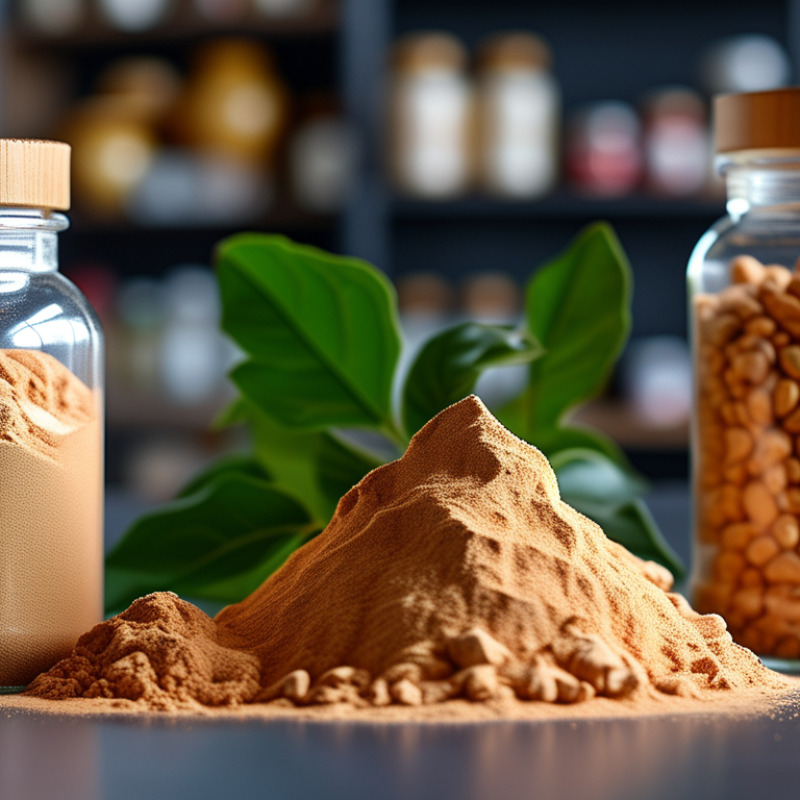
Top Bulk Creatine Powder Suppliers for Global Buyers

What Bulk Creatine Powder Is and Why Global Buyers Choose It

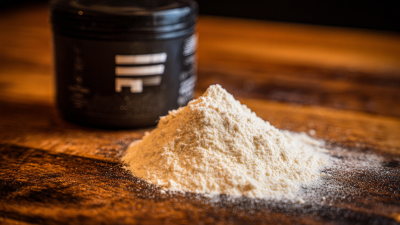
Bulk creatine powder is a concentrated ingredient sold for manufacturing, private-label production, or professional sports nutrition programs. Most buyers select creatine monohydrate because it has extensive human research and stable storage characteristics. The International Society of Sports Nutrition reports that daily creatine use can support strength and lean-mass gains when combined with resistance training. Typical maintenance intake is 3–5 grams daily. Simple, but not effortless.

Global demand is also expanding. Grand View Research estimated the global sports nutrition market at about USD 44 billion in 2023, with continued growth expected through 2030. This creates opportunities for bulk purchasing, yet volume alone does not prove quality. Buyers should request a current certificate of analysis, assay results, identity testing, microbial limits, heavy-metal screening, and full lot traceability. An unusually low price deserves questions. It may reflect packaging, testing, freight, or specification differences rather than genuine efficiency.

Experienced purchasers also examine particle size, solubility, moisture protection, and warehouse conditions. A powder that arrives caked or poorly sealed can create production delays. Supplier audits and retained samples add practical confidence. However, even strong documentation has limits; laboratory results represent tested lots, not every future shipment. Clear specifications, written change-control procedures, and independent verification remain important for international procurement. Bulk is not automatically better. It is useful only when consistency, compliance, and handling quality match the buyer’s actual production needs.

Key Quality Standards for Evaluating Creatine Powder Suppliers

For global buyers, supplier quality starts with evidence, not polished packaging. The ISSN 2022 position stand identifies creatine monohydrate as the most researched form, supported by over 500 peer-reviewed studies. A credible supplier should provide a current certificate of analysis for every batch. The document should show identity, assay, moisture, and test dates. Look for independent testing from an ISO/IEC 17025-accredited laboratory.

Purity claims need practical verification. Ask for HPLC results, heavy-metal screening, microbiological testing, and allergen statements. The production site should follow documented GMP controls, including calibrated scales, sealed transfer lines, and cleaning records. A 2023 FDA inspection-data review found that manufacturing deficiencies often involved inadequate documentation and testing controls. That detail matters when powder arrives in a plain white drum.

Traceability protects the buyer after shipment. Each lot should connect to raw-material records, production dates, retain samples, and a clear recall procedure. Check whether the supplier can explain particle size, solubility, packaging barriers, and storage humidity. Do not accept confusing catalog entries, such as Bulk Melatonin Powder appearing beside creatine documents. That may indicate weak document control. I would also question unusually low prices. They can reflect efficient production, but they can also hide weaker testing. Supplier audits remain imperfect, yet they reveal more than a sales brochure.

How to Compare Manufacturing Capacity, Certifications, and Testing

Top Bulk Creatine Powder Suppliers for Global Buyers

When comparing bulk creatine powder suppliers, manufacturing capacity needs more than a large monthly figure. Ask for installed capacity, average utilization, and recent batch records. A factory may advertise 500 tonnes monthly but operate near its limit. That can affect lead times and quality control. Request a production schedule, minimum order quantity, and backup equipment details. A useful supplier can explain how it manages peak seasons, maintenance, and unexpected raw material delays. Real evidence matters more than confident sales language.

Certifications should match the product and destination market. Review current GMP, ISO 22000, HACCP, and relevant product registration documents. Check the issuing body, certificate scope, site address, and expiration date. One certificate may cover a warehouse, not the manufacturing line. I have seen buyers miss this detail. The lesson is uncomfortable but practical. Ask for an on-site audit or a recent independent audit report when possible. Supplier questionnaires alone can leave important gaps.

Testing should include identity, assay, moisture, microbiological limits, heavy metals, and residual solvents where relevant. Request a batch-specific certificate of analysis, not a generic template. For Calcium Ascorbate Powder Bulk, confirm vitamin C content, calcium level, particle size, and stability data. Compare the supplier’s internal results with an accredited third-party laboratory. Keep sealed samples from the approved batch for later checks. Paperwork can look complete. It can still fail to reflect production reality.

Packaging, Private Labeling, and Customization Options for Export Orders

Top Bulk Creatine Powder Suppliers for Global Buyers

Export buyers should inspect packaging options before comparing bulk creatine powder prices. Standard choices include foil-lined bags, HDPE jars, and sealed fiber drums. Each format protects the powder differently during ocean transport. Moisture control matters, especially in humid ports and warehouses. Ask for liner thickness, seal testing, pallet dimensions, and carton compression data. Small details prevent expensive damage.

Private labeling usually includes label design, batch coding, language translation, and barcode placement. A reliable supplier should provide artwork proofs before production. Check the declared serving size, ingredient list, allergen statement, and storage instructions carefully. Some suppliers also support Bulk Ursolic Acid Powder packaging, but specifications must remain separate. Do not assume one label suits every powder.

Customization can include scoop size, pouch color, tamper-evident seals, and retail-ready cartons. Export orders may require different labels for each destination. Request samples from the actual production line, not only digital images. Review certificates, test reports, and traceability records with qualified personnel. Lead times can change when custom materials are imported. That risk deserves written confirmation. No packaging plan is perfect. A practical buyer leaves room for delays, label revisions, and unexpected inspection questions.

Top Bulk Creatine Powder Suppliers for Global Buyers - Packaging, Private Labeling, and Customization Options for Export Orders

Supplier Profile Primary Product Typical Specification Common Bulk Packaging Indicative MOQ Private Labeling Customization Options Export Documentation Typical Lead Time
Large-volume ingredient manufacturer Creatine monohydrate powder CAS 6020-87-7; commonly specified at assay ≥99.9% by HPLC; free-flowing white powder 20–25 kg fiber drums, kraft bags, or food-grade lined sacks 500 kg–1,000 kg Usually available for established order volumes Particle size, mesh, moisture limits, inner liner, pallet configuration COA, SDS, specification sheet, commercial invoice, packing list, certificate of origin 2–6 weeks after specification approval
Export-oriented supplement manufacturer Micronized creatine monohydrate Fine powder designed for improved dispersion; assay and particle-size limits confirmed by batch COA 10–25 kg lined bags or drums; retail-ready pouches available 100–500 kg Available for pouches, tubs, sachets, and label-applied containers Flavor-free or flavored formula, serving size, scoop, pouch format, carton design COA, SDS, allergen statement, non-GMO statement where applicable, export invoice and packing list 3–8 weeks, depending on packaging and artwork
Private-label contract packer Creatine monohydrate in finished consumer packs Common serving size: 3–5 g; final label must match tested formulation and destination-market rules Stand-up pouches, HDPE tubs, sachets, or bulk cartons 250–1,000 finished units Yes; artwork, label application, coding, and secondary packaging are commonly offered Container size, label material, tamper seal, desiccant, scoop, carton, barcode, lot coding COA, SDS, finished-product specification, label proof, packing list, commercial invoice 4–10 weeks after artwork and formula approval
Food-ingredient distributor Standard creatine monohydrate Lot-specific identity, assay, moisture, heavy metals, microbiological, and physical-quality results should be requested 1 kg sample bags, 20–25 kg bags, drums, or palletized cartons 25–100 kg, subject to stock availability Generally limited; label services may be handled by a separate packer Pack-size selection, pallet quantity, labeling support, sample dispatch COA, SDS, traceability information, invoice, packing list, origin documents where available 1–3 weeks when inventory is available
Regional GMP supplement producer Creatine monohydrate capsules or powder Manufactured under a documented quality system; certification scope and facility status must be verified independently Bottles, tubs, sachets, or bulk lined cartons 500–2,000 finished units Yes; suitable for region-specific retail labels Dosage form, capsule count, container material, label language, tamper evidence, lot and expiry format COA, SDS, GMP-related records, stability or shelf-life documentation where applicable, invoice and packing list 6–12 weeks for new packaging or regulatory review
Custom formulation and blending supplier Creatine blends and multi-ingredient powders Formula-specific assay, blend uniformity, moisture, microbiological, and contaminant limits Bulk bags, pouches, tubs, sachets, or contract-filled cartons 500–2,000 kg or 1,000–5,000 finished units Available after formulation, claims, and packaging approval Flavor, sweetener system, complementary ingredients, serving size, color, packaging, market-specific claims Formula specification, COA, SDS, allergen statement, label review, batch records as agreed 6–14 weeks, depending on testing and packaging complexity
Buyer verification checklist: Confirm the current batch COA, identity and assay method, moisture and microbiological limits, heavy-metal testing, allergen status, country-of-origin requirements, packaging food-contact compliance, shelf life, Incoterms, and destination-market labeling rules before placing an export order.

Pricing Factors, Minimum Orders, and International Shipping Considerations

Top Bulk Creatine Powder Suppliers for Global Buyers

Bulk creatine pricing depends on purity, production scale, packaging, and testing requirements. The International Society of Sports Nutrition reports that creatine monohydrate remains the most researched form, with typical daily use near 3–5 grams. Buyers should request assay results, heavy-metal screening, microbiological testing, and a current certificate of analysis. A low quote may exclude testing or export packaging. That detail matters.

Minimum orders often range from several kilograms to pallet quantities, depending on the supplier’s filling line and destination. Larger orders usually reduce the price per kilogram, but they can increase storage risk. Moisture-resistant bags, sealed drums, and private-label cartons create different costs. Confirm whether the quotation includes labels, inner liners, pallets, and customs documents. Small errors become expensive.

Tips: Compare landed cost, not unit price. Ask for samples from the same production lot. Check the Incoterm carefully. Freight, insurance, duties, and port handling may sit outside the quote. UNCTAD’s Review of Maritime Transport 2024 highlights continued volatility in global shipping routes and freight conditions. A delayed container can damage cash flow, even when the powder itself is stable. Buyers should also confirm shelf-life remaining at shipment and whether temperature or humidity controls are needed. Some assumptions will be wrong; document them and review the calculation before ordering.

How to Select a Reliable Bulk Creatine Powder Supplier

Choosing a reliable bulk creatine powder supplier requires more than comparing prices. A 2024 Grand View Research assessment valued the global creatine market at over USD 500 million and forecast continued growth through 2030. This expansion attracts capable producers, but also inconsistent traders. Ask for a current certificate of analysis for every batch. It should show creatine assay, moisture, heavy metals, microbial limits, and residual solvents.

Look for documented GMP production, batch traceability, and independent laboratory testing. The International Society of Sports Nutrition reports that creatine monohydrate is the most researched form, with strong evidence for safety and performance support. A dependable supplier should explain its raw-material origin and provide stable specifications, not vague claims. Check whether the factory controls particle size and packaging humidity. Powder that arrives clumped in a sealed bag deserves questions. It may still pass testing, but handling quality matters.

Tips: Request three recent COAs, not one sample. Confirm test methods with the laboratory. Compare the supplier’s lead time with your production schedule. Do not select a creatine supplier only because it offers the lowest quotation. Buyers reviewing Bulk L Carnitine Powder Manufacturers should apply the same checks, although product specifications differ. I have found that communication often reveals more than a polished website. Slow replies, changing documents, or unexplained specification differences should trigger a second review. Also verify recall procedures and retain samples from each shipment. Mistakes happen, even in organized facilities. Reliable suppliers show how they correct them.

Factory-Grade 100,000 IU/g Cellulase Powder: Applications, Benefits, and Selection Guide

Factory-grade cellulase is increasingly important in textile processing, animal nutrition, pulp and paper, biofuel production, and other industrial applications. Its primary function is to hydrolyze cellulose into smaller sugars, helping improve raw-material utilization, fabric bio-polishing, fiber release, and process efficiency. According to Grand View Research, the global industrial enzymes market is projected to maintain steady growth through the decade, supported by increasing demand for sustainable bioprocessing and resource-efficient manufacturing. Cellulase remains one of the key enzyme categories within this expanding market.

The recommended Cellulase enzyme delivers an activity of 100,000 IU/g, providing a concentrated powder format for formulation flexibility and efficient dosage control. It is supplied in 25 kg drums, suitable for pilot production and continuous factory use. For quality-sensitive applications, production and testing can be supported by cGMP, ISO 22000, ISO 9001, Kosher, BRC, and Halal certifications, depending on the applicable batch and documentation requirements. Industry analyses from MarketsandMarkets also identify food processing, animal feed, biofuels, and textiles as major growth areas for industrial enzymes, where consistent activity and reliable handling are essential.

Store the powder in a cool, dry environment away from direct light, with the container tightly sealed to help preserve enzyme activity. Standard payment options include T/T, VISA, XTransfer, and Alipay, while shipping can be arranged within 3–5 days after order confirmation and production details are finalized.

FAQS

What documents should a creatine powder supplier provide?

Request a current, batch-specific certificate of analysis. It should show identity, assay, moisture, test dates, and laboratory details. Three recent certificates are better than one sample. A generic template proves very little.

Which laboratory testing matters most?

Ask for HPLC identity and assay results. Heavy-metal, microbiological, and residual-solvent testing may also be necessary. Testing should come from an ISO/IEC 17025-accredited laboratory. Confirm the methods, not just the numbers.

How can buyers evaluate manufacturing controls?

Look for documented GMP procedures and calibrated weighing equipment. Sealed transfer lines, cleaning records, and controlled storage areas are useful evidence. Ask how the factory prevents cross-contamination. Paperwork can still hide weak daily practices.

What should a buyer check about production capacity?

Request installed capacity, average utilization, recent batch records, and production schedules. A factory claiming large output may already operate near its limit. Ask about maintenance, peak seasons, and backup equipment. Capacity figures need context.

Which certifications should be reviewed?

Check current GMP, ISO 22000, HACCP, and destination-market documents. Verify the issuing body, site address, certificate scope, and expiration date. One certificate may cover only a warehouse. This detail is easy to miss.

How important is batch traceability?

Each lot should connect to raw-material records and production dates. The supplier should retain samples and explain its recall procedure. Ask for lot numbers on drums and certificates. Traceability protects you after delivery.

What physical product details should be confirmed?

Confirm particle size, solubility, packaging barriers, and storage humidity. A sealed bag with hard clumps deserves investigation. The powder may still pass testing, but poor handling can affect production. I would not ignore that sign.

Is the lowest quotation a good choice?

Not always. A low price may reflect efficient production, but it may also mean weaker testing or service. Compare quality evidence, lead time, and communication. No checklist is perfect. Recheck anything that changes suddenly.

Conclusion

Bulk Creatine Powder is a practical choice for global buyers seeking a consistent, cost-effective ingredient for sports nutrition products and large-scale distribution. Evaluating suppliers begins with quality standards, including creatine purity, batch consistency, traceable raw materials, hygienic production, and reliable laboratory testing. Buyers should review manufacturing capacity, quality management certifications, production controls, and independent test documentation to confirm that the supplier can meet international order requirements.

Export orders also require attention to packaging formats, private labeling, labeling support, and customization options. Pricing should be assessed alongside minimum order quantities, production lead times, payment terms, freight costs, customs documentation, and destination-country requirements. A reliable Bulk Creatine Powder supplier should communicate clearly, provide transparent specifications, maintain stable production, protect product quality during shipping, and offer responsive after-sales support. By comparing these factors systematically, global buyers can select a dependable partner that supports consistent supply, efficient logistics, and long-term commercial cooperation.

Oliver

Oliver

Oliver is a dedicated marketing professional at Shaanxi Yuantai Biological Technology Co., Ltd., where he leverages his expertise in plant extracts, nutritional supplement raw materials, cosmetic raw materials, and organic products. With a deep understanding of the industry, Oliver plays a pivotal......
Previous 7 Magnesium Glycinate Buying Tips for Global Buyers?