When it comes to the ever-changing world of food additives, Locust Bean Gum definitely catches the eye for its versatility and unique qualities. This natural thickener and stabilizer comes from the seeds of the carob tree, and honestly, it’s pretty impressive how it can boost texture, making it super popular across different industries — from food and cosmetics to pharmaceuticals. If you’re on the lookout for Locust Bean Gum, it’s really important to find reliable suppliers who care about quality. Trust me, not all sources are created equal!
Navigating the global market for Locust Bean Gum can be a bit tricky, though. Companies like DKK Europe and Gum Technology can provide some solid insights to help you find top-notch products. Knowing the various ways Locust Bean Gum can be used is key to making smart choices. And honestly, having industry know-how really helps when you’re trying to pick the right product that fits your needs.
But here’s the thing — don’t just take everything at face value. Not every batch of Locust Bean Gum is the same. Some might have impurities or lack transparency about where they come from or how they’re processed. So, it’s a good idea to ask questions, dig into the origins, and understand the manufacturing process. Doing so will help you get the quality you want and make sure it supports your business goals — no surprises along the way!
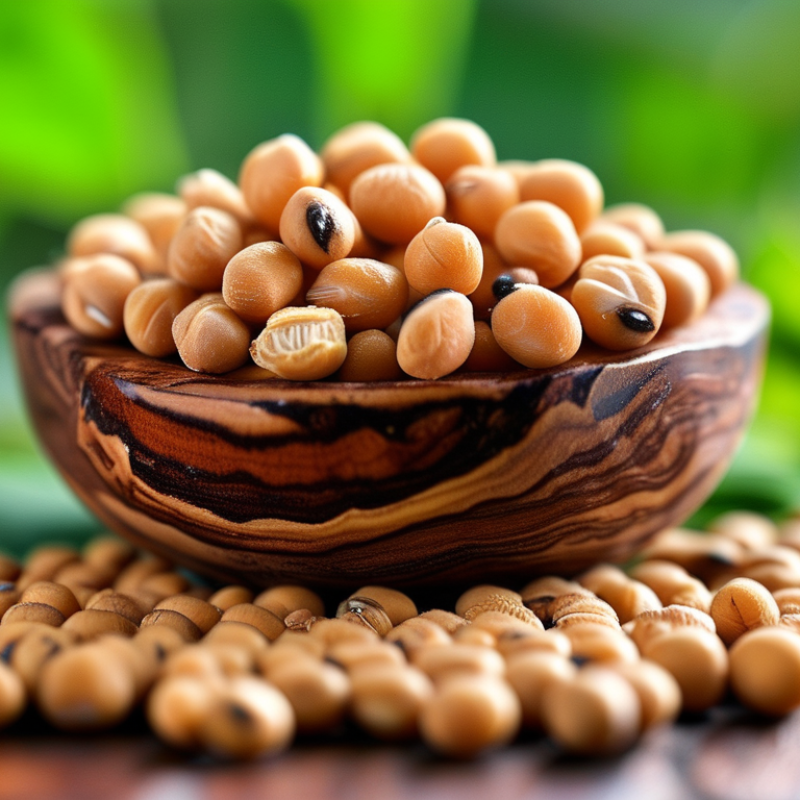
Understanding Locust Bean Gum: Composition and Uses
Locust bean gum, derived from the seeds of the carob tree, is gaining attention for its unique properties. It is primarily composed of galactomannan, a polysaccharide that has thickening and gelling properties. Research indicates that locust bean gum can stabilize emulsions, enhance texture, and improve mouthfeel in food products. According to a report by the Global Food Ingredients Market, the demand for this gum is projected to rise by 6% annually, with consumers seeking natural and plant-based ingredients.
When sourcing locust bean gum, buyers should consider the quality of the gum. Look for products with a higher galactomannan content. The purity level can affect functionality. Choose suppliers that provide transparency about their sourcing and processing methods. This ensures reliability in product performance.
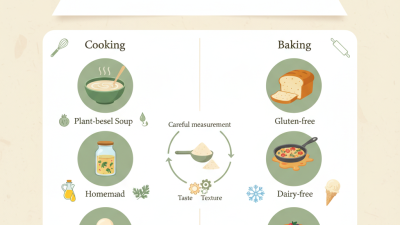
Another important aspect is understanding its applications. Locust bean gum is used in dairy products, sauces, and bakery items. It efficiently replaces synthetic thickeners. However, its interaction with other ingredients may vary. Conduct small tests before full-scale production to ensure it meets specific needs. Regular evaluations can help identify potential issues in formulation and texture, leading to better final products.
Top 10 Locust Bean Gum Tips for Global Buyers
| Tip | Description | Usage | Source Country | Price Range (per kg) |
| 1 | Know the Composition | Used as a thickener, stabilizer | India | $5 - $15 |
| 2 | Check for Quality | Ensure high purity levels | Greece | $10 - $20 |
| 3 | Understand Applications | Used in dairy, desserts | Spain | $8 - $18 |
| 4 | Sourcing from Trusted Suppliers | Choose reputable companies | Italy | $6 - $14 |
| 5 | Evaluate Regulatory Compliance | Ensure it meets food safety standards | Mexico | $9 - $16 |
| 6 | Testing for Functionality | Conduct lab tests for performance | Turkey | $7 - $15 |
| 7 | Seek Volume Discounts | Inquire about bulk pricing | South Africa | $10 - $19 |
| 8 | Compare Supplier Samples | Assess samples for quality | France | $12 - $22 |
| 9 | Monitor Market Trends | Stay updated on price changes | USA | $11 - $17 |
| 10 | Understand Storage Requirements | Learn how to properly store | Egypt | $6 - $13 |
Key Considerations for Sourcing Locust Bean Gum Globally
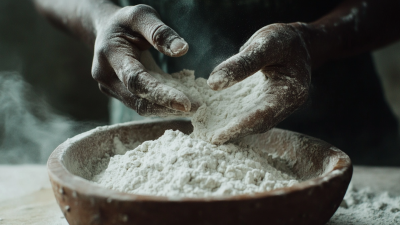
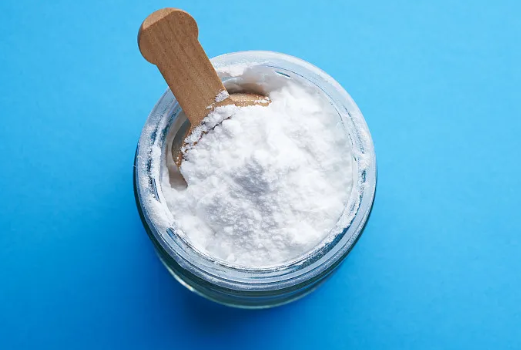
When sourcing Locust Bean Gum Powder globally, understanding its properties is crucial. This ingredient is prized for its thickening and gelling abilities. It’s often found in various food products, cosmetics, and pharmaceuticals. Buyers should be aware of its botanical origins. The powder is derived from the seeds of the carob tree, which affects its quality and texture.
Quality can vary greatly between suppliers. Always request samples before finalizing an order. Ground Locust Bean Gum Powder may differ in particle size and purity. Sourcing from different regions may also produce different flavor profiles. Always check for certifications that ensure safety and authenticity.
Price is not the only consideration. The cheapest option may compromise quality. Analyze your specific application to determine the best supplier for your needs. Engage with suppliers directly to clarify sourcing practices and production methods. This can help build trust and ensure a steady supply of Locust Bean Gum Powder. As with any product, maintaining a quality focus will ultimately enhance your end product.
Evaluating Quality: What to Look for in Locust Bean Gum
When evaluating the quality of locust bean gum, several factors come into play. One key aspect is its purity. A high-quality product should contain minimal impurities or additives. Look for a Refined Locust Bean Gum that undergoes stringent testing. This ensures it meets food safety and quality standards. The color and texture also provide insights into its quality. A consistent color indicates a well-processed product, while an optimal texture can enhance its functional properties in food applications.
Another important factor is the viscosity and gelling strength. Good refined locust bean gum should provide the right consistency in various formulations. Conducting your own tests can provide insight into its performance. While many suppliers provide technical data sheets, do not rely solely on these documents. Engage with suppliers and ask about their processing methods and sourcing practices. This transparency can reflect the overall quality of their refined locust bean gum. Consider sampling products before making larger purchases; doing so helps identify subtle differences that could affect your end products.
Sustainability Practices in Locust Bean Gum Production
Sustainability practices in locust bean gum production are essential for global buyers. The market is growing, and sustainability can influence purchasing decisions. A report from the Food and Agriculture Organization reveals that sustainable farming can boost yields by 20% and reduce environmental impact significantly. Buyers should be aware of these practices to foster responsible sourcing.
Incorporating sustainable techniques requires careful planning. Farmers can implement crop rotation and intercropping to improve soil health. An article published in the Journal of Sustainable Agriculture noted that these methods reduced chemical fertilizer use by up to 30%. This leads to not only better crop quality but also a lower carbon footprint.
Always seek certification that verifies sustainable practices. This can include organic certifications or standards set by various agricultural organizations. Educating oneself on these certifications is vital. Transparency in sourcing is becoming increasingly important in procurement. Supporting farmers who prioritize eco-friendly methods can enhance product quality and ensure ethical supply chains. Consider networking within industry forums to learn about new sustainability advancements.
Connecting with Reliable Suppliers for Locust Bean Gum
When sourcing locust bean gum, connecting with reliable suppliers is crucial. Many buyers overlook the importance of vetting suppliers properly. According to industry reports, over 30% of buyers face issues with quality and delivery. This information highlights the need for thorough supplier evaluations. Prioritize suppliers who can provide certifications and quality assurance documents. Good communication is essential to understanding suppliers' capabilities.
In recent years, the locust bean gum market has grown significantly. A report by a leading market research firm indicated a CAGR of 5.5% from 2020 to 2025. This growth presents opportunities for buyers to forge partnerships with established suppliers. Investment in relationships is critical for securing consistent quality. Engage with suppliers to understand their production methods. Some may not meet industry standards. Assessing their processes can help mitigate risks.
Buyers should also consider diversifying their supplier base. Relying on a single source can lead to challenges, especially during demand spikes. Seeking out suppliers offering Mung Bean Protein can enhance the product line. This ingredient complements locust bean gum and appeals to health-conscious consumers. Striking a balance between quality and cost is not always easy. Reflection on past supplier experiences often reveals areas for improvement.
Regulatory Standards for Importing Locust Bean Gum
When venturing into the importation of locust bean gum, understanding regulatory standards is crucial. The global market for this ingredient has seen significant growth, valued at approximately $250 million in 2021, according to recent industry analyses. Regulatory bodies, such as the FDA in the United States and EFSA in Europe, have established specific guidelines for food additives. Locust bean gum, recognized for its thickening and stabilizing properties, must meet stringent safety assessments before entry into these markets.
Importers should be aware of the varying regulations surrounding locust bean gum. For instance, while it is classified as Generally Recognized As Safe (GRAS) in the U.S., the European Union has a more complex regulatory framework. This framework includes specific limits on additives and requires thorough documentation, such as Certificates of Analysis. A misstep in compliance may result in delays or product rejections, impacting profitability.
These regulations emphasize the need for due diligence. Companies must stay informed about changes in legal standards. Consulting with experts familiar with locust bean gum and similar products, such as Fava Bean Protein, can provide valuable insights. Understanding the global import landscape is essential for successful market entry. A proactive approach ensures that importers navigate these complexities efficiently.
Trends and Innovations in the Locust Bean Gum Market
The locust bean gum market is witnessing significant trends and innovations. As a natural thickening agent, locust bean gum appeals to food manufacturers seeking cleaner labels. The growing demand for plant-based products ensures its popularity in various applications, from dairy to bakery.
Sustainability is becoming paramount. Buyers are increasingly looking for ethically sourced ingredients. This shift influences production methods, encouraging companies to adopt environmentally friendly practices. Innovations in processing technology can enhance the quality and functionality of locust bean gum, making it more versatile.
Challenges remain in maintaining consistent supply. Climate change and market fluctuations can impact availability. Buyers must stay informed about these dynamics. Understanding the scientific properties of locust bean gum is essential for optimizing its application in different products. Engaging with suppliers who prioritize quality and sustainability can lead to better outcomes.
FAQS
: Locust bean gum is derived from the seeds of the carob tree. It is a natural polysaccharide.
It has thickening and gelling properties. It can stabilize emulsions and enhance texture in food.
It is commonly used in dairy items, sauces, and baked goods. It serves as a replacement for synthetic thickeners.
Quality affects the functionality of the gum. Higher purity and galactomannan content lead to better product performance.
Request samples before making orders. Check for certifications and inquire about sourcing practices for reliability.
There is a growing demand for natural ingredients and sustainability, pushing companies towards eco-friendly practices.
Yes, quality can differ greatly between suppliers. Different regions may also produce different flavor profiles.
Climate change can affect supply. Buyers must be aware of market fluctuations and consistent sourcing issues.
Conduct small tests in product formulation. Regular evaluations help identify potential formulation issues before production.
No, the cheapest option may compromise quality. Analyze specific needs before deciding on a supplier.
Conclusion
Locust Bean Gum, derived from the seeds of the carob tree, is gaining traction in various industries due to its thickening and gelling properties. Understanding its composition and diverse applications is essential for global buyers looking to leverage its benefits. Key considerations in sourcing Locust Bean Gum include evaluating quality, ensuring sustainability practices in production, and navigating regulatory standards for importing the product.
Connecting with reliable suppliers is vital for maintaining product integrity and compliance with international regulations. Additionally, staying informed about trends and innovations in the Locust Bean Gum market can help buyers make strategic sourcing decisions. By focusing on these aspects, global buyers can enhance their understanding and effectively procure Locust Bean Gum for their needs.