Leave Your Message
- Phone
- E-mail
- Whatsapp
- WeChat
When you look at a product page for Resveratrol, it might seem pretty straightforward—just check out the purity percentage, the botanical source, and the price per kilogram, right? But honestly, the real questions come up behind the scenes. For example, is that batch backed by a certificate of analysis? Can the supplier walk you through their testing methods, how they trace their ingredients, and how they store the product? Little details like these really matter. Sometimes, a simple powder sample, a clear specs sheet, and a responsive quality team can tell you more than all the fancy marketing talk.
In this guide, we’re taking a closer look at ten resveratrol suppliers from China, using practical sourcing checks—things like documentation, transparency about manufacturing, export experience, and how well they communicate. We’re not claiming that any one company is perfect for everyone, because needs vary so much depending on your application, order size, and quality expectations. No list can truly cover everything.
It’s also worth noting that research from Harvard’s geneticist David Sinclair has helped make resveratrol and its potential role in aging and cell biology more popular. But a key point to keep in mind is that just because something shows promise biologically, doesn’t mean it’s proven to improve health in real-world use. That’s a really important distinction when you're evaluating products like Resveratrol Powder. Any claims from a supplier should be carefully checked against real evidence and product records—they aren’t guarantees of results. Always verify the current specs directly with the supplier and consider each one on its own merits.
What we’ve put together here should help make your first screening a lot clearer. Just keep in mind that public info isn’t always complete, and a supplier’s performance could change over time.

Resveratrol is a naturally occurring stilbenoid polyphenol found in sources such as grape skins. Its commonly cited identifiers are CAS 501-36-0, molecular formula C₁₄H₁₂O₃, and molecular weight 228.24 g/mol. These details help distinguish the substance in technical documents. They do not, by themselves, prove a product’s purity or quality.
The formula indicates 14 carbon atoms, 12 hydrogen atoms, and three oxygen atoms per molecule. The molecular weight describes the mass of one mole, useful when checking calculations and preparing analytical solutions. A small number, but an important one. Resveratrol can occur in different isomeric forms, so buyers should confirm which form a specification describes. For supplier comparisons, review identity testing, assay method, batch-specific results, and storage guidance. High-performance liquid chromatography is often used for analysis, but results depend on the method and sample preparation. A certificate of analysis is helpful; it is not a substitute for checking the underlying test details. CAS numbers can also be copied incorrectly. That happens. Verify identifiers against the product specification and independent analytical records before drawing conclusions.
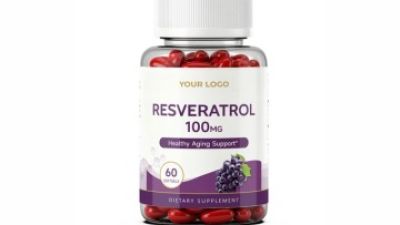
Resveratrol softgels combine 100 mg of resveratrol per daily serving, sourced from *Polygonum cuspidatum* root extract, with soybean oil as the carrier. This oil-based format offers a practical alternative to capsules or powders for consumers seeking a convenient routine. Resveratrol is a polyphenol studied for its antioxidant properties, although research findings should not be presented as a guarantee of specific health outcomes. A 2024 Grand View Research analysis estimated the global dietary supplements market at approximately US$177.5 billion in 2023, reflecting strong demand for varied supplement formats and formulations.
For product planning, the suggested serving is one softgel daily, with 60 softgels per bottle for a 60-day supply. Formulation details such as active content, carrier oil, serving size, and packaging help buyers assess a product’s positioning and fit for their market. Clear, accurate labeling is also important: describe the ingredient source and amount per serving without implying that the product treats or prevents disease.
Private-label and OEM/ODM services can support businesses seeking a tailored softgel offering, from label development to production coordination. Payment options include T/T, VISA, Alipay, and XTransfer; shipping can be arranged via DHL, FedEx, or air and sea freight, depending on order requirements and destination.
Compare monthly capacity, typical lead time, backup production plans, and recent batch records. A polished brochure proves little.
Request current certificates covering the relevant production site and product. Verify document details independently. Check the lot-specific certificate of analysis.
Ask for a sample record connecting raw-material lots to finished goods. Confirm matching product names, dates, and batch numbers. Small mismatches need explanations.
Look for test methods and numerical results, not just “pass.” Check the product identity, test date, units, and batch number. Not proof by itself.
Request the identity method and actual results. A chromatographic fingerprint can help distinguish resveratrol from similar materials. Read the report closely.
Ask for numerical values, units, and the analytical method, such as ICP-MS. Compare results with your own specifications. Details matter.
Ask which solvents are used and request test results from a suitable method. Stability records should state storage conditions, packaging, and test dates. Accelerated data may not predict every shelf life.
For liposomal powder, clarify the assay method, carrier composition, and particle-size testing. For softgels, check compatibility with the oil phase and capsule shell. Ask about retained samples.
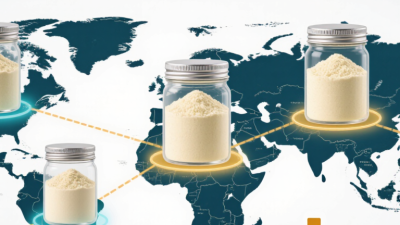
Ask which markets the supplier serves and what shipping and quality records are available. Request samples from multiple lots when practical. Follow-up can slip. Notice that gap.
Resveratrol is a naturally occurring compound with the CAS number 501-36-0, molecular formula C₁₄H₁₂O₃, and molecular weight of 228.24 g/mol. In China, suppliers may produce it through botanical extraction, chemical synthesis, or fermentation, with each route differing in sourcing, processing, and quality-control considerations. When evaluating products, buyers can compare assay levels—often specified at 98%—alongside HPLC test results, certificates of analysis, and relevant GMP controls.
A useful supplier assessment goes beyond product specifications. Compare manufacturing capacity, certifications, export experience, and the ability to trace individual batches. Before purchasing, review documentation and testing for identity, heavy metals, residual solvents, and stability, and confirm that the stated grade and quality data match the intended application. Careful checks help buyers make a more informed comparison of China’s Resveratrol suppliers without relying on a single specification or claim.