Conjugated Linoleic Acid Powder (you can check it out [here](https://www.ytbio-healthy.com/conjugated-linoleic-acid-powder)) has really become a go-to ingredient for folks involved in sports nutrition, functional foods, and dietary supplements. But, honestly, choosing the right supplier isn't just about comparing prices—there's a lot more to consider. Things like purity, the specific isomer profile, how well oxidation is controlled, traceability, and whether the production process is consistent can all make a big difference in the quality of every shipment. This guide walks through ten notable suppliers, focusing on those key operational details.
Michael W. Pariza, Ph.D.—who’s basically a pioneer when it comes to CLA research—once said, “The anticancer activity of CLA is probably the most exciting part of CLA research.” That’s a pretty big deal, but it’s important not to get carried away and forget about what current science says or how products are honestly described. For peace of mind, suppliers should be providing up-to-date certificates of analysis, validated testing data, allergen info, and detailed manufacturing details. When you check these, look for things like CLA content, trans-fat levels, heavy metals, residual solvents, and microbiological safety.
Now, having a slick website isn’t enough—it doesn’t prove much. What really counts are samples. You wanna see if the powder arrives sealed and labeled, keeps a consistent smell, and matches the specs they’ve promised. Also, pay attention to where it’s made, what quality certifications they have, the minimum order size, how long it takes to get your shipment, and whether they offer good technical support. Keep in mind, no supplier is perfect—performance can vary from batch to batch, region to region, and depending on your contract terms. So, this list of the “top 10” is meant to serve as a practical comparison, not an absolute ranking. Always double-check every claim directly with each supplier before you buy your Conjugated Linoleic Acid Powder—that’s just good sense.
What Is Conjugated Linoleic Acid Powder?
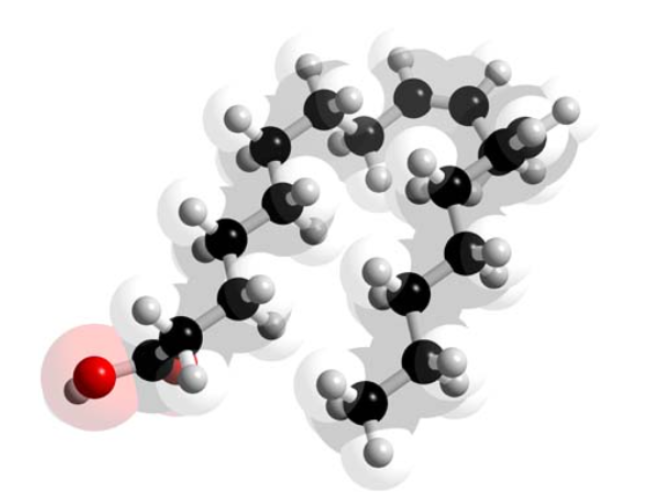
Conjugated Linoleic Acid powder is a powdered form of naturally occurring fatty acids called CLA. These fatty acids are commonly found in small amounts in dairy products and ruminant meat. The word “conjugated” describes the arrangement of double bonds within the fatty acid structure. It is not the same as ordinary linoleic acid.
The powder usually contains concentrated CLA oil held on a carrier, such as a carbohydrate or mineral base. Its color may range from white to pale yellow, depending on processing. A reliable specification should state total CLA content and the main isomers, especially cis-9, trans-11 and trans-10, cis-12. One detail is easy to miss. Total powder weight does not equal active CLA weight.
In professional quality assessment, testing should cover identity, potency, moisture, residual solvents, heavy metals, and microbial limits. Clear batch records and independent laboratory reports improve traceability. However, analytical results can vary between laboratories, so methods should also be reviewed. Human research on CLA has produced mixed findings, and effects may depend on dosage, isomer balance, diet, and individual health. It should not be presented as a guaranteed weight-maNAGement solution. Formulators also need to examine carrier ingredients, storage stability, and possible oxidation. The label may look simple, but interpretation is not.
How to Evaluate CLA Powder Quality and Purity
Top 10 Conjugated Linoleic Acid Powder Suppliers?
How to Evaluate CLA Powder Quality and Purity
A supplier list is only a starting point. The powder’s test evidence matters more than polished sales language. Request a current certificate of analysis for every batch. Check the total CLA percentage, specific isomer ratio, moisture, and particle appearance. A strong report names the testing method and laboratory.
Look closely at oxidation data. Peroxide value and acid value can reveal poor storage or aging oil. CLA powder should also be screened for heavy metals, residual solvents, pesticides, and microbial contamination. Independent laboratory testing adds confidence, especially when the supplier’s internal report looks unusually perfect. Still, one report is not enough.
Ask for batch traceability from raw oil to finished powder. Manufacturing records should show controlled temperature, hygienic processing, and suitable packaging. Moisture-barrier bags can protect the powder from air and humidity. Samples should have a mild, neutral odor, not a sharp rancid smell.
Read the specification carefully. “High purity” may describe total fatty acids, not actual CLA content. That distinction is easy to miss. Supplier audits, quality certifications, and retention samples provide useful support, but they do not replace testing. I would compare at least two recent batches before making a decision. A small sample may pass while production quality varies later. That risk deserves attention.
Key Factors for Comparing CLA Powder Suppliers
Comparing the top 10 conjugated Linoleic Acid powder suppliers requires more than checking price. Grand View Research has estimated the global CLA market at over USD 180 million, with continued growth expected through 2030. That growth can attract inconsistent material. A low quote may hide weaker testing, higher carrier content, or unstable sourcing.
Start with identity and potency. Ask for a recent certificate of analysis showing total CLA, active isomers, moisture, heavy metals, microbes, and residual solvents. The supplier should identify the ratio of cis-9, trans-11 and trans-10, cis-12 isomers. These details matter because CLA is derived from Linoleic Acid, and processing conditions can change its profile. Request batch-specific results, not a generic template.
Traceability matters.
Check whether the facility follows GMP and maintains ISO 22000 or equivalent food-safety controls. Third-party laboratory confirmation is stronger than a supplier-only statement. Industry guidance from the United States Pharmacopeia emphasizes documented quality systems, supplier qualification, and controlled storage. Ask for stability data under heat and humidity; a powder that clumps in a warm warehouse may fail before production. Packaging should show a lot number, net weight, manufacturing date, and retest date.
One practical weakness remains: public reports often track market value, not real batch consistency. Buyers should compare three recent lots, record assay variation, and inspect delivery conditions. A polished specification sheet is not proof.
Top 10 Conjugated Linoleic Acid Powder Suppliers
Choosing among the top 10 conjugated linoleic acid powder suppliers requires more than comparing prices. A reliable supplier should provide a clear specification sheet, batch number, production date, and certificate of analysis. Independent testing should confirm identity, purity, moisture, heavy metals, and microbial limits. Ask how the powder is protected from heat, oxygen, and light during storage. Small details matter. A damaged inner seal can affect product quality before delivery.
Experienced buyers should also review manufacturing controls, traceability, and documentation consistency across several batches. Suppliers with audited facilities and responsive technical teams are easier to assess. Request samples before placing a large order, then compare color, odor, dispersibility, and laboratory results. Do not rely only on marketing language. Some data may look impressive but lack test methods or acceptance limits. That is a warning sign.
The best supplier may not be the cheapest option. Pricing should be considered alongside minimum order quantity, lead time, packaging, and shipping conditions. Confirm that the material is genuinely conjugated linoleic acid powder, not a blended ingredient with unclear composition. Docosahexaenoic Acid Powder is a different ingredient and should not be treated as an equivalent substitute. A perfect top-ten ranking is difficult because quality can change between production lots. Recheck documents regularly. Supplier performance needs ongoing review, not one approval forever.
Top 10 Conjugated Linoleic Acid Powder Suppliers
| Rank | Supplier Profile | Typical CLA Form | CLA Content | Typical Powder Form | Common Packaging | Documentation Available | Best-Fit Application |
| 1 | Profile A — large-scale nutraceutical producer | Spray-dried CLA oil powder | 50–80% | Free-flowing powder | 15–25 kg bags or drums | COA, SDS, allergen statement, non-GMO statement | Capsules and tablets |
| 2 | Profile B — sports-nutrition ingredient supplier | Microencapsulated CLA | 50–70% | Water-dispersible powder | 20 kg lined bags | COA, stability data, microbiological report | Protein blends and powdered drinks |
| 3 | Profile C — dairy-derived lipid specialist | Milk-fat-derived CLA powder | 40–65% | Emulsifiable powder | 10–20 kg bags | COA, dairy-origin statement, allergen declaration | Functional foods and dairy formulations |
| 4 | Profile D — clean-label formulation supplier | Carrier-based CLA powder | 50–75% | Low-dust powder | 15 kg bags or fiber drums | COA, allergen, GMO, vegan-status documentation | Clean-label supplements |
| 5 | Profile E — high-volume contract manufacturer | Standardized CLA powder blend | 60–80% | Free-flowing powder | 25 kg bags or drums | COA, GMP statement, HACCP documentation | Private-label supplement production |
| 6 | Profile F — specialty delivery-system supplier | Encapsulated CLA with carbohydrate carrier | 40–60% | Instantized powder | 5–20 kg moisture-barrier bags | COA, particle-size data, dispersibility data | Ready-to-mix beverages |
| 7 | Profile G — research and pilot-scale supplier | Analytical-grade or pilot CLA powder | 60–90% | Fine powder | 500 g–5 kg containers | COA, chromatographic profile, test methods | Formulation trials and laboratory work |
| 8 | Profile H — export-focused ingredient distributor | Spray-dried CLA concentrate | 50–75% | Standard powder | 20–25 kg export cartons | COA, SDS, certificate of origin | International ingredient sourcing |
| 9 | Profile I — allergen-controlled supplement supplier | Non-dairy CLA powder | 50–70% | Low-moisture powder | 10–20 kg sealed bags | COA, allergen-control statement, SDS | Allergen-sensitive formulations |
| 10 | Profile J — small-batch customization supplier | Customized CLA powder blend | 40–80% | Application-specific powder | 1–15 kg bags or drums | COA, specification sheet, sample documentation | Small-batch and customized products |
Note: Product specifications vary by formulation, carrier system, production lot, and regional regulatory requirements. Buyers should verify current certificates of analysis, fatty-acid profiles, allergen status, and applicable quality certifications before purchase.
How to Select the Right CLA Powder Supplier for Your Needs
Selecting the right conjugated linoleic acid powder supplier requires more than comparing prices. Start by checking the supplier’s manufacturing experience, quality system, and ability to provide consistent batches. Ask for a recent certificate of analysis showing CLA content, fatty acid profile, moisture, microbiological results, heavy metals, and oxidation indicators.
Traceability matters. A reliable supplier should identify the raw material source, production site, batch number, and storage conditions. Request samples in the same packaging used for commercial orders. Check the powder’s color, odor, flowability, and solubility under your planned processing conditions. Small differences can become costly during blending or encapsulation. The best suppliers also explain their testing methods instead of sending vague documents.
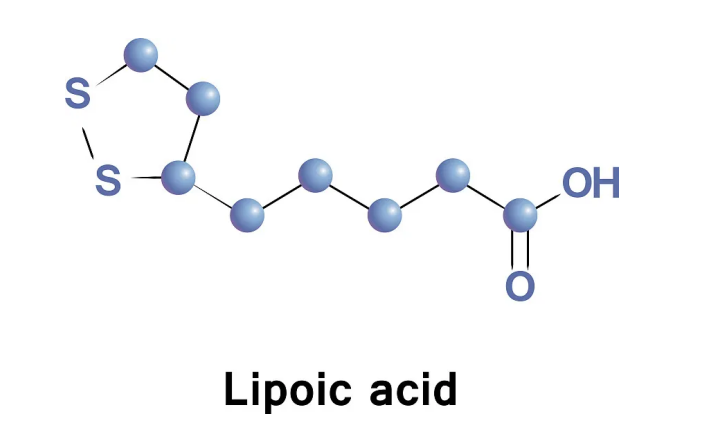
Do not confuse CLA powder with Lipoic Acid Powder; they are different ingredients with different specifications. Confirm whether the supplier supports GMP-based production, allergen control, and export documentation for your target market. Clear communication is a practical quality test. Slow answers may signal weak technical support, although busy teams are not automatically unreliable. I would also review several batch records, not just one attractive sample. No supplier is perfect, and published specifications can still leave questions about long-term stability. Use a written checklist, verify claims independently, and choose the partner whose evidence remains clear under pressure.
Lotus Leaf Extract Nuciferine Powder: Market Trends & Applications Based on Grand View Research Reports
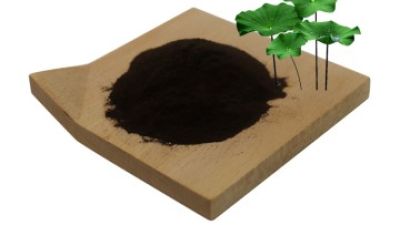
Lotus leaf extract nuciferine powder is gaining attention as interest grows in botanical ingredients, standardized plant extracts, and clean-label product development. Market trends highlighted in industry research increasingly point toward demand for traceable raw materials, consistent active-ingredient levels, and convenient formats for nutraceutical, functional food, beverage, and personal-care applications. Nuciferine powder can be considered for formulations where botanical positioning and controlled specification are important, subject to the requirements of the finished product and applicable regulations.
This ingredient is produced from lotus leaf extract and is standardized to 2% nuciferine, with HPLC used as the detection method for quality verification. It is suitable for business-to-business sourcing, including research, formulation, and manufacturing projects. The material is currently in stock, with an estimated shipping time of 1–3 days, supporting responsive procurement and production planning. Available quality documentation includes cGMP, FSSC 22000, BRC, HACCP, HALAL, KOSHER, ISO 9001, ISO 22000, and FDA-related documentation. Sales are intended for commercial customers rather than individual consumers, allowing supply discussions to focus on technical specifications, packaging, and application requirements.
Conclusion
Conjugated Linoleic Acid Powder is a specialized fatty acid ingredient commonly used in nutritional supplements, functional foods, and research applications. This guide explains its basic characteristics, typical forms, and the importance of evaluating quality through purity, fatty acid composition, moisture content, stability, and contaminant testing. Buyers should also consider raw material sourcing, production capacity, consistency between batches, packaging, storage conditions, technical support, minimum order quantities, pricing, and delivery reliability when comparing suppliers.
The article presents a practical framework for identifying leading Conjugated Linoleic Acid Powder suppliers without focusing on specific brands. It highlights the value of recognized certifications, documented quality systems, traceable manufacturing processes, and independent laboratory analysis. By reviewing certificates of analysis, testing procedures, regulatory documentation, and manufacturing standards, purchasers can make more informed decisions. The right supplier should be selected according to the intended application, required specifications, order volume, budget, compliance expectations, and long-term supply needs.