When you're picking an Oat Extract manufacturer in China, it takes more than just comparing prices or flipping through product photos. Honestly, you need to know what you're actually using it for—the application, the extraction method, what carriers are involved, and your target specs—before you even ask for a quote. Oat ingredients can vary quite a bit in color, smell, solubility, even the active compounds. And those little differences? They can make or break a powder blend or finished formulation. So here’s the deal: when you’re asking for paperwork, get the latest spec sheet, a representative COA, an allergen statement, and batch traceability info. And don’t overthink it—just keep things practical.
Here's a rundown of ten Chinese manufacturers that global buyers might want to look into and compare. That said, supplier capabilities and export experience can change, so treat this list as a starting point—not a final endorsement. When you're reviewing each one, dig into their manufacturing scope, quality systems, testing arrangements, and whether they can send samples that actually reflect commercial batches. And wherever certifications are available, verify them directly with the issuing organizations—and double-check that the testing covers your product's specific requirements. Look, when you're sourcing Oat Extract, don't just skim the product page. You need to ask straight up about minimum order quantities, lead times, packaging, and how they want you to store the stuff. Public pages often leave out the nitty-gritty, and a certificate alone only says so much—it doesn't guarantee they'll deliver the same quality every time. And even if you do your homework, there's a limit to how much you can screen from afar. So before you commit to a big order, compare their paperwork against a pilot sample and get the acceptance criteria in writing, no gray areas. At the end of the day, you're not just chasing the cheapest quote—you're looking for a supplier you can actually rely on for oat extract.

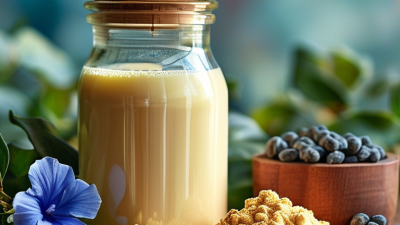
Oat extract is not a single, uniform ingredient. It may come from oat kernels or bran and be prepared using water, oil, or other processing methods. These choices affect which components remain in the finished material. A water-based extract may contain soluble compounds, while an oil-based preparation has different characteristics. Oat beta Glucan is a soluble fiber valued for its water-binding properties. In skin-care formulas, it can help create a soft, hydrated feel, although results depend on the amount used and the complete formula. Details matter here.
Food and personal-care manufacturers use oat-derived ingredients for different purposes, so the words “oat extract” alone reveal little about performance. Buyers can review the plant part, extraction method, carrier, standardization data, and available quality tests. A clear specification makes batches easier to compare. Ask whether the ingredient dissolves, disperses, or settles in the intended product; a small trial can reveal practical issues, such as residue in a cream or separation in a liquid. Not every batch matches. For skin applications, evaluate the finished formula rather than assuming oats guarantee suitability. Supplier documents and traceable batch records are useful starting points, but application-specific testing still matters.
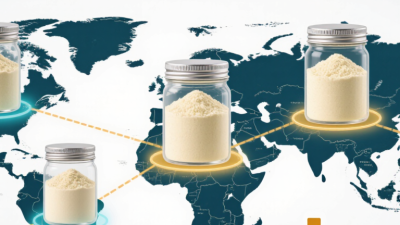
China’s oat extract industry reflects a broader shift toward plant-based ingredients and clearly documented supply chains. Manufacturers may source oats from different growing regions, so color, aroma, and active-compound levels can vary between batches. That variation matters. Buyers should compare product specifications, extraction methods, and testing records rather than relying on a product name alone. Water-based and other food-grade extraction approaches can produce different profiles, and processing details should be confirmed directly with suppliers.
For global buyers, reliable documentation is as important as production capacity. Request a recent certificate of analysis, allergen information, and details about identity, purity, and batch testing. Check whether the supplier can explain its quality controls in practical terms, such as how it handles incoming raw materials and finished-product samples. A polished document is useful, but it is not the whole picture. Communication gaps and inconsistent specifications can still complicate procurement; these are points worth examining before setting a long-term order.
Tips: Ask for a representative sample and compare it with the agreed specification. Confirm packaging, storage conditions, and lead times in writing. If a claim seems vague, ask what testing supports it.
When evaluating oat extract manufacturers, begin with the specification, not the sales brochure. Ask for the botanical identity, oat source, extraction method, carrier ingredients, and a current certificate of analysis for a named batch. Check whether the test methods match the values reported, including beta-glucan content, moisture, and microbiological limits.
A certificate is useful, but it is not proof by itself. Confirm whether testing is performed internally or by an independent laboratory, and request traceability records linking the batch to its raw materials.
Then compare a production sample with the written specification. Note its color, odor, dispersibility, and performance in your intended formula; small differences can matter on a factory line. For Oat Glucan Powder, clarify the measurement method and whether the stated content applies to the powder as supplied.
Ask how the manufacturer controls cross-contact risks and changes in raw material or process. Request audit information and examples of batch-to-batch records, while protecting confidential details.
A spreadsheet will not reveal everything. Price can be tempting, yet unusually broad specifications or vague answers deserve follow-up. Some evidence may remain incomplete, so record what was verified and what still needs clarification before approving a supplier.
These ten profiles focus on capabilities, not company names. A full-line processor may handle cleaning, extraction, drying, and packing under one roof. An extraction specialist may offer water-based processing and batch-level records. A low-temperature producer may prioritize aroma and color retention, though process claims need verification. A spray-drying facility can supply free-flowing powder. Ask for particle-size data.
A custom-concentration manufacturer may adjust extract strength for different applications. An organic-focused supplier should provide current certification documents, not just a product description. A private-label plant may offer packaging choices, from lined sacks to small retail packs. A bulk supplier may focus on stable lead times and export paperwork. Check sample consistency. One batch is not enough.
A pilot-scale manufacturer can help buyers test a formula before ordering commercially. Another supplier may work with oat fractions or Oat Peptide ingredients, so confirm the exact material and specifications. Request a recent certificate of analysis, allergen information, and details on testing methods. These checks are not glamorous. They can reveal gaps early. Supplier profiles are only a starting point; real capacity, traceability, and quality systems should be reviewed directly.
Global buyers comparing oat extract manufacturers should ask for a current specification sheet and a certificate of analysis for each production lot. Check identity, moisture, particle size, and the stated marker compounds, such as beta-glucan, when relevant to the product. Ask how test methods are validated and whether results come from an in-house or independent laboratory. A number on paper is useful, but only when its method and sample are clear. Small details matter. Lot codes should connect the test report, production date, and shipped cartons.
Export readiness also depends on practical controls. Request information on allergen handling, cleaning procedures, traceability, and packaging that protects powder from humidity during transit. Confirm that labels, certificates, and any required import documents match the destination market before booking freight; requirements can differ by country and product use. Ask for a representative sample and review its color, odor, and dispersibility against the agreed specification. Labels can drift. Even a polished document set may contain a mismatch, so buyers should verify names, lot numbers, and quantities across records. No supplier process is flawless, and a clear corrective-action procedure can be as revealing as a high test score.
Global buyers sourcing oat extract from China should start with a clear product specification, not a catalog title. State the intended use, required extract ratio or marker compounds, plant part, and preferred format, such as powder or liquid. Ask suppliers to identify the extraction method and any carriers. These details can vary between products sold under similar names.
Request a recent batch certificate of analysis, specification sheet, safety data sheet, and information on testing methods. Check whether the documents match the proposed product and lot. For cosmetics or food applications, confirm that the supplier can provide documentation suited to your market and intended use. A neat PDF is not proof of a consistent batch. Review a sample, then compare it with a pilot order before committing to larger volumes.
Discuss packaging, storage conditions, lead time, and shipping terms in writing. A small sample may look and smell right, but still behave differently in your formula. Ask how the supplier handles batch changes and complaints; the answer may reveal gaps worth investigating. If a catalog also lists Calendula Extract;Marigold Extract, keep those materials separate from oat extract specifications. Clear records and careful checks make sourcing decisions more dependable.
The entries below are sourcing and verification criteria, not a ranked list of named manufacturers. Product specifications and certifications vary by facility and should be confirmed with each supplier using current documents and samples.
| No. | Supplier Capability to Assess | Relevant Product or Process Detail | What Global Buyers Should Verify |
|---|---|---|---|
| 1 | Oat bran sourcing and preparation | Oat bran is a common starting material for oat-derived ingredients, including beta-glucan-rich preparations. | Raw-material origin, crop-year information, incoming inspection records, and controls for foreign matter. |
| 2 | Beta-glucan specification control | Oat beta-glucan is a soluble dietary fiber; extract grades may differ in beta-glucan content and test method. | A product-specific specification, validated analytical method, test basis, and recent certificate of analysis (COA). |
| 3 | Extraction-process transparency | Extraction and purification choices can affect composition, solubility, color, and functional properties. | Process flow, processing aids, residual-solvent statement where applicable, and change-control procedures. |
| 4 | Food-safety management | Oat ingredients intended for food use require appropriate hygiene, hazard controls, and traceability throughout production. | Current facility certificates, audit scope and validity, hazard-control plan, and product-traceability procedure. |
| 5 | Contaminant and microbiological testing | Testing needs depend on intended market, product form, and applicable regulations; limits should not be assumed to be identical across countries. | Recent third-party or in-house results for relevant microbiological and contaminant parameters, with methods and limits stated. |
| 6 | Allergen and gluten-status controls | Oats may be exposed to gluten-containing grains during growing, transport, or processing; “gluten-free” status requires suitable controls and testing. | Cross-contact prevention, cleaning validation, testing method and result, and confirmation that claims meet destination-market rules. |
| 7 | Powder handling and physical properties | Particle size, moisture, bulk density, and dispersibility can affect blending and downstream processing. | Agreed test methods, target ranges, sample evaluation, and confirmation that the commercial batch matches the approved sample. |
| 8 | Documentation and export readiness | Import documentation varies by destination and product classification. | COA, specification, safety data where applicable, origin documents, ingredient statement, and shipment documents required by the buyer’s market. |
| 9 | Packaging and storage suitability | Moisture and packaging integrity can influence powder quality during storage and transport. | Food-contact packaging details, net weight, storage conditions, shelf-life evidence, and batch/date coding. |
| 10 | Sampling, scale-up, and commercial terms | Laboratory samples should be evaluated before purchase; trial and production batches should be checked against the same agreed specification. | Sample policy, minimum order quantity, lead time, batch consistency, payment terms, Incoterms, and a written procedure for nonconforming goods. |
Oats may come from different growing regions. Color, aroma, and active-compound levels can vary. That matters.
State the intended use, plant part, extract ratio or marker compounds, and powder or liquid format. Ask about carriers, too.
Request a recent batch certificate of analysis, specification sheet, safety data sheet, allergen details, and testing methods. Check that they match the product lot.
Compare a representative sample with the agreed specification. Then review a pilot order before committing to larger volumes. One sample may not tell the whole story.
Yes. Water-based and other food-grade methods can produce different profiles. Ask the supplier to describe the method and processing details.
Put packaging, storage conditions, lead times, and shipping terms in writing. Small details can become inconvenient later.
Ask how incoming oats and finished-product samples are checked. Also ask how batch changes and complaints are handled. Vague answers deserve a second look.
No. A neat PDF is useful, but it does not prove a consistent batch. Compare records with samples and specifications.
This article introduces Oat Extract, its common applications, and the factors that shape China’s growing role in the ingredient supply chain. It explains how oat-derived ingredients may be used in food, personal care, and other product categories, while outlining the industry’s production landscape and the range of manufacturers serving international buyers. The article also presents a practical framework for comparing suppliers, including their processing capabilities, product consistency, documentation, communication, and ability to meet buyer specifications.
The manufacturer profiles offer a starting point for further research rather than a substitute for independent evaluation. The article also reviews quality standards, export documentation, packaging, logistics, and product testing considerations that can affect cross-border procurement. By clarifying requirements, requesting relevant records and samples, and discussing timelines and order terms in advance, global buyers can assess potential suppliers more effectively and develop a sourcing process suited to their needs.