Leave Your Message

Reasons for contact:

Where are you in your project?

Product Type(s) of Interest

0%

You know, China’s Pure Bovine Collagen industry is really booming these days. There’s a growing demand for ingredients that are traceable, standardized, and tailored for specific uses. Manufacturers aren’t just sticking to one thing — they now offer peptides, gelatin, powders, and custom solutions for everything from food and cosmetics to nutritional supplements.

Now, when it comes to market size, things get a bit tricky because different research firms define things differently. For example, Grand View Research pegged the global collagen market at around USD 9.1 billion in 2023. They’re expecting it to keep growing through 2030, fueled by popularity in beauty-from-within products and functional nutrition. Meanwhile, MarketsandMarkets also sees steady growth, though their estimate of the market size isn’t exactly the same — which, honestly, is worth paying attention to.

But just a heads up: not every factory that claims to be top-notch actually deserves a spot on a serious Top 10 list.

In this review, I’ve focused on Chinese manufacturers, judging them based on some practical criteria—things like where they source their raw materials, how well they trace bovine origins, their hydrolysis tech, how precisely they control molecular weight, testing capabilities, whether they have the necessary certifications, and their experience in exporting products. Clean, well-organized facilities matter a lot, and having clear, readable certificates is a good sign.

Professor Keith Baar, a well-respected researcher in connective tissues, once said, “Collagen is the most abundant protein in the human body.” That’s pretty telling, right? It’s no longer just about collagen percentage — buyers are now looking at amino acid profiles, peptide distribution, solubility, smell, heavy metal testing, and microbiological safety. All these factors can really impact how well the collagen performs in real-world applications.

Now, just a quick note about the word “pure.” It’s not always a straightforward guarantee of quality. Sometimes it just describes the ingredients, how it’s processed, or is used as a marketing term. So, it’s wise for buyers to double-check specs directly with suppliers and look at independent lab reports — those are gold when verifying claims.

This guide aims to compare some of the leading Chinese manufacturers based on open info and industry standards. Keep in mind, things can change—companies might upgrade their facilities or get new certifications. That’s normal, and nothing shady about being transparent about it. While a well-researched ranking can be super helpful, it’s never perfect—just part of the picture.
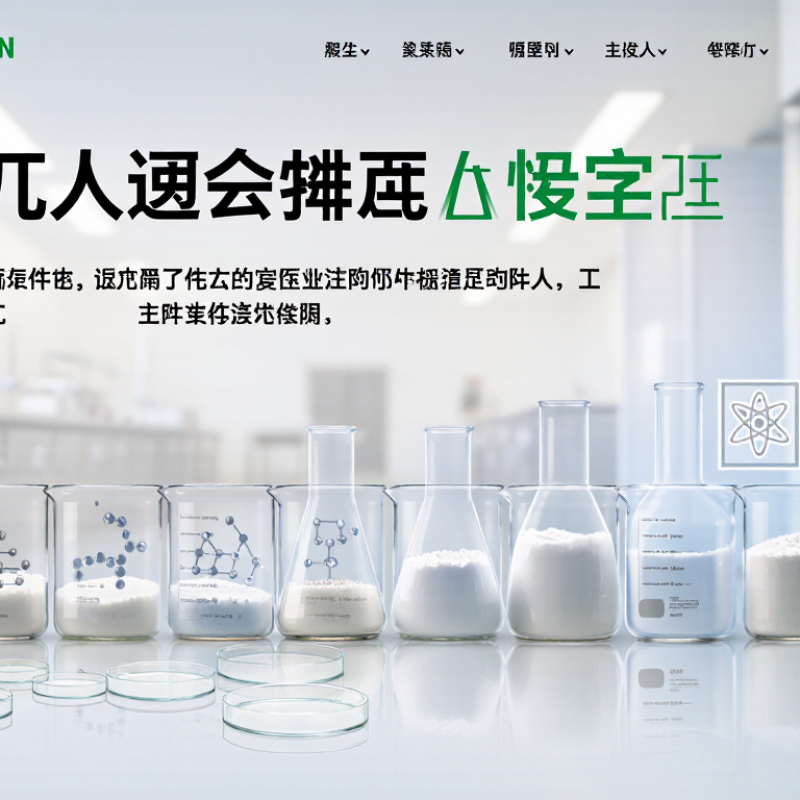
China Top 10 Pure Bovine Collagen Manufacturers?

What Defines a Pure Bovine Collagen Manufacturer?

When comparing China’s top 10 pure bovine collagen manufacturers, buyers should examine more than production capacity. A pure manufacturer controls the material from approved cattle sources to sealed final packaging. It should explain the tissue origin, extraction method, and purification steps clearly. Vague descriptions create uncertainty.

Pure Bovine Collagen Powder should have a defined collagen type, protein content, moisture level, and microbiological limits. Reliable manufacturers provide batch-specific certificates of analysis, not generic documents. Independent testing can verify heavy metals, allergens, pathogens, and undeclared additives. Traceability should connect each batch to raw-material records, processing dates, and laboratory results. Ask to see the evidence.

Factory experience also matters. Skilled teams monitor temperature, filtration, drying, and contamination risks during production. Clean equipment and controlled storage protect the powder’s pale color, mild odor, and free-flowing texture. A manufacturer should maintain quality systems, trained staff, and documented corrective actions. This is practical evidence of expertise.

No audit is perfect. A polished certificate can still hide weak sampling or outdated results. Buyers should compare documents, inspect facilities when possible, and request small samples before larger orders. Product performance may vary between batches, even when specifications appear identical. That uncomfortable detail deserves attention. Reliable manufacturers welcome reasonable questions and explain limitations instead of promising flawless results.

How China’s Bovine Collagen Industry Has Developed

China’s Bovine Collagen industry has moved from basic raw-material processing toward specialized ingredient manufacturing. Earlier production often focused on drying, milling, and bulk supply. Today, many facilities use controlled enzymatic hydrolysis, membrane filtration, and low-temperature drying. These steps can improve solubility and support more consistent peptide profiles.

The change is visible on the factory floor. Raw bovine hides or bones are checked before processing. Operators record batch numbers, moisture levels, microbial results, and amino acid data. Modern laboratories may also test heavy metals, residues, and protein content. Clear traceability matters. It helps buyers connect a finished powder with its original production lot and quality records.

However, development remains uneven. Equipment can look modern while documentation stays weak. A polished brochure proves little. Buyers should review certificates, testing methods, storage controls, and audit findings. China’s manufacturing base is becoming more technically capable, yet consistency still depends on daily discipline. Small differences in raw materials can affect odor, color, dispersibility, and peptide size. Industry rankings should therefore consider verified quality systems, research capacity, production stability, and transparent communication, rather than factory scale alone. Some market claims remain difficult to compare, which deserves more careful review.

China Top 10 Pure Bovine Collagen Manufacturers? – How China’s Bovine Collagen Industry Has Developed

The table below presents ten representative manufacturer capability profiles and industry-development dimensions in China. Company names, brands, and company-specific rankings are intentionally omitted.

No. Representative Manufacturer Profile Primary Bovine Collagen Output Core Processing Capability Quality and Compliance Focus Typical Applications Industry Development Significance
1 Food-grade collagen peptide producer Hydrolyzed bovine collagen peptides Enzymatic hydrolysis, filtration, concentration, and spray drying Food safety management, microbiological control, and batch traceability Protein drinks, nutrition powders, and functional foods Represents the shift from basic animal by-product processing toward standardized nutrition ingredients.
2 High-purity collagen peptide specialist Low-odor, low-color bovine collagen peptides Advanced decolorization, deodorization, ultrafiltration, and drying Purity testing, heavy-metal control, allergen management, and consistent solubility Premium supplements, clinical nutrition, and ready-to-mix beverages Shows how Chinese producers have moved toward higher-value, specification-controlled ingredients.
3 Medical and biomedical material supplier Native collagen, collagen sponges, membranes, and gels Controlled extraction, aseptic processing, cross-linking, and material forming Biocompatibility, endotoxin control, sterilization validation, and medical-device requirements Wound care, tissue engineering, hemostatic materials, and research use Illustrates the industry’s expansion from food ingredients into biomedical applications.
4 Cosmetic-grade collagen ingredient producer Soluble collagen, collagen peptides, and cosmetic-grade powders Controlled hydrolysis, filtration, drying, and formulation support Identity testing, microbial limits, odor control, and cosmetic raw-material documentation Skin-care formulations, masks, creams, and personal-care products Reflects the growth of collagen use in China’s expanding personal-care and beauty-ingredient market.
5 Export-oriented bulk ingredient manufacturer Bulk bovine collagen peptides and customized powder grades Large-scale extraction, standardized drying, bulk packing, and private-label support Export documentation, country-of-origin records, COA management, and traceability International supplement, food, and ingredient supply chains Demonstrates China’s increasing role as a processing and supply-chain base for collagen ingredients.
6 Low-molecular-weight peptide manufacturer Precisely fractionated bovine collagen peptides Membrane separation, molecular-weight distribution control, and rapid quality testing Molecular-weight profile, amino-acid composition, solubility, and stability testing Sports nutrition, healthy-aging products, and specialized formulations Highlights the industry’s move from generic collagen powder toward application-specific peptide design.
7 Integrated bovine-hide raw-material processor Collagen-rich hydrolysates and semi-finished collagen materials Raw-material sorting, pretreatment, demineralization, extraction, and wastewater treatment Animal-origin traceability, process hygiene, environmental controls, and waste reduction Food, cosmetic, industrial, and downstream collagen production Shows the importance of vertical integration and resource utilization in China’s collagen supply chain.
8 Customized formulation and contract manufacturer Flavored collagen powders, tablets, sachets, and blended products Blending, agglomeration, filling, packaging, and formulation adjustment Finished-product testing, label compliance, packaging integrity, and batch release Private-label supplements and customized consumer products Represents the rise of flexible manufacturing and shorter product-development cycles.
9 Research-driven collagen technology producer Modified collagen, collagen composites, and application-specific materials Enzyme engineering, material modification, pilot-scale development, and performance testing Structure characterization, functional testing, stability studies, and technical documentation Biomedical research, advanced nutrition, cosmetics, and functional materials Indicates increasing investment in proprietary processes and higher-margin collagen technologies.
10 Sustainability-focused collagen manufacturer Bovine collagen peptides produced with resource-efficient processes Water-saving pretreatment, energy-efficient drying, process recovery, and waste minimization Environmental monitoring, responsible sourcing, traceability, and documented process controls Food, nutrition, cosmetic, and international ingredient markets Reflects the industry’s transition toward cleaner production, circular use of by-products, and sustainable sourcing.

Note: “Pure bovine collagen” should be verified through the product specification, bovine-origin declaration, molecular-weight profile, microbiological results, heavy-metal testing, and an independent certificate of analysis. Manufacturing capability does not by itself confirm that a product is clinically effective or suitable for a specific regulatory category.

Key Standards for Evaluating Chinese Collagen Manufacturers

When comparing China’s top 10 pure bovine collagen manufacturers, evaluate evidence rather than attractive rankings. A credible supplier should identify the cattle species, origin, processing site, and collagen type. Traceability records should connect each batch to farm, slaughter, and production dates.

Ask for recent certificates of analysis, not generic templates. Check hydroxyproline content, molecular weight distribution, moisture, microbial limits, heavy metals, and prohibited contaminants. Independent laboratory testing adds confidence. However, one clean report cannot prove long-term consistency. Request results from several production batches.

Factory experience matters during evaluation. A serious facility should demonstrate controlled enzymatic hydrolysis, hygienic production areas, calibrated equipment, and documented corrective actions. Review HACCP, GMP, and relevant ISO systems, while verifying their scope and expiry dates. Visit the site if possible. Look closely at raw material storage, label control, and sample retention. Small gaps may appear. That is useful information, not an automatic rejection. Ask how staff investigate deviations and protect products during transport. Clear technical answers often reveal more than polished sales language. The best manufacturer is not always the largest; it is the one that can repeatedly support its claims with traceable records, qualified testing, and accountable communication.

China’s Top 10 Pure Bovine Collagen Manufacturers

China’s Top 10 Pure Bovine Collagen Manufacturers are attracting attention as demand for traceable protein ingredients expands. Grand View Research valued the global collagen market at about USD 9.1 billion in 2023, with continued growth expected through 2030. The report identifies food, nutrition, and personal care as major application areas. China’s production advantage comes from established livestock processing, peptide technology, and export infrastructure.

A practical ranking should examine more than factory size. It should compare raw-material traceability, enzymatic hydrolysis control, protein content, microbiological testing, and batch consistency. Manufacturers supplying Bovine Collagen Powder should provide specification sheets, heavy-metal results, allergen statements, and credible certificates. Look for clear sourcing records. Vague documentation deserves caution.

MarketsandMarkets reports strong expansion in collagen peptides, supported by aging populations and sports-nutrition demand. Yet reported growth does not guarantee equal quality. Some producers may show impressive laboratory values but limited application experience. Buyers should request samples from three production batches, then test solubility in a cool glass of water, odor, moisture, and peptide distribution. The best factories usually explain processing temperatures, filtration stages, and storage conditions without hesitation. A ranking can still be imperfect, because public data rarely reveals actual rejection rates, energy use, or long-term customer performance. That gap requires careful verification.

Product Types, Applications, and Manufacturing Capabilities

China Top 10 Pure Bovine Collagen Manufacturers: Product Types, Applications, and Manufacturing Capabilities

When comparing China’s top ten pure bovine collagen manufacturers, product variety matters. Common options include hydrolyzed collagen peptides, fine powder, granules, and customized blends. Collagen Powder Bovine is widely used in protein drinks, nutrition bars, capsules, and powdered sachets. Some manufacturers also supply cosmetic-grade ingredients for creams, masks, and hair-care formulas. The word “pure” can mislead. Buyers should verify protein content, source documentation, molecular weight, moisture, and allergen controls.

Manufacturing capability separates experienced suppliers from simple traders. Reliable facilities usually show controlled raw-material sourcing, enzymatic hydrolysis, spray drying, metal detection, and sealed packaging areas. Batch records should connect cattle origin with finished-product testing. Check microbiological results, heavy-metal limits, amino-acid profiles, and stability data. Ask whether production follows recognized quality systems and whether certificates match the actual facility.

Applications vary by peptide size and solubility. Small peptides may dissolve quickly in clear beverages, while larger particles can suit tablets or functional foods. Cosmetic formulations may require low odor and consistent color. Technical support is equally important. A capable manufacturer can adjust flavor, mesh size, packaging weight, and solubility without weakening quality control. No factory is flawless. Independent testing still deserves attention, especially when documentation looks polished but lacks recent batch evidence.

How to Select the Right Chinese Collagen Supplier

When comparing China’s top pure bovine collagen manufacturers, supplier selection matters more than a ranking list. Start by confirming the collagen source, processing method, and traceability of cattle hides or bones. A reliable supplier should provide a clear specification sheet, batch number, certificate of analysis, and production date. Check hydroxyproline content, protein level, moisture, solubility, odor, and microbiological results. “Pure” should be supported by test data.

Request recent independent reports for heavy metals, allergens, and prohibited contaminants. Do not rely on a polished PDF alone. Review the factory’s quality system, including GMP, HACCP, or ISO-related controls, when applicable to your market. Ask whether the testing laboratory is qualified and whether results match the actual batch. Small details matter. A sample can look excellent, yet later batches may differ in color or dissolution speed.

Experienced buyers should also evaluate communication and technical support. Can the supplier explain molecular weight, recommended dosage, storage temperature, and packaging protection? A factory audit or live video inspection can reveal hygiene practices, weighing equipment, and warehouse conditions. Confirm minimum order quantity, lead time, export documents, and complaint handling before signing. Price is useful, but an unusually low quote may hide weaker testing or inconsistent raw materials. No supplier is perfect. I would still compare at least three batches before making a long-term decision.

Factory Supply Pure Spray-Dried Aloe Vera Powder: Benefits, Uses, Quality, and Sourcing Guide

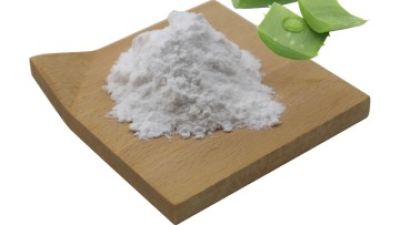
Spray-dried aloe vera powder offers a practical, concentrated format for food, beverage, nutraceutical, cosmetic, and personal-care formulations. By removing moisture under controlled conditions, spray drying improves handling, storage efficiency, and batch consistency while preserving key aloe constituents when properly processed. Industry research supports continued demand: Grand View Research’s aloe vera market analysis projects global growth at approximately 8% annually through 2030, driven by consumer interest in botanical ingredients and convenient wellness products.

For manufacturers, sourcing quality depends on more than concentration alone. Important checks include botanical identity, moisture content, microbiological limits, particle uniformity, solubility, and documentation for each lot. This factory-supplied material is sourced from aloe vera and processed by spray drying. It is in stock with a typical shipping time of 1–3 days, supporting production planning and shorter replenishment cycles. HACCP, HALAL, KOSHER, ISO 9001, and ISO 22000 certifications provide a structured quality and food-safety foundation, while additional regulatory documentation can be reviewed according to the destination market.

The standard commercial MOQ is 25 kg, packed in a 25 kg barrel, making the product suitable for distributors, contract manufacturers, and industrial formulation teams rather than individual customers. Before ordering, buyers should confirm intended application, specification requirements, testing documentation, storage conditions, and compatibility with their finished-product process.

FAQS

What makes a pure bovine collagen manufacturer reliable?

It controls materials from approved cattle sources through sealed final packaging.

Which documents should buyers request?

Request batch-specific certificates of analysis, specification sheets, allergen statements, and microbiological results.

How can buyers verify batch traceability?

Traceability should connect each batch with cattle records, processing dates, and laboratory results.

What product qualities should be checked?

Check collagen type, protein content, moisture, molecular weight, odor, color, and solubility.

How should buyers test product samples?

Request samples from three production batches when possible.

Which manufacturing capabilities matter most?

Look for enzymatic hydrolysis, temperature control, filtration, spray drying, metal detection, and sealed packaging.

Do applications require different collagen specifications?

Yes. Small peptides may dissolve quickly in beverages.

Can certificates guarantee consistent quality?

No audit is perfect.

Conclusion

China’s Pure Bovine Collagen industry has developed rapidly through improvements in raw material sourcing, enzymatic processing, quality control, and export-oriented manufacturing. A reliable manufacturer should demonstrate traceable bovine sources, effective purification and hydrolysis technologies, consistent batch testing, and compliance with applicable food, health, and cosmetic regulations. Key evaluation standards include product purity, molecular weight distribution, solubility, sensory quality, microbiological safety, documentation, production capacity, and stability of supply.

The leading Chinese manufacturers typically provide multiple collagen formats, including powders, peptides, and customized formulations for nutritional foods, beverages, supplements, cosmetics, and professional applications. When selecting a supplier, buyers should compare technical capabilities, certifications, testing procedures, minimum order requirements, customization services, packaging options, lead times, and communication efficiency. A thorough qualification process, supported by samples and independent verification, can help identify a dependable partner that delivers consistent quality and supports long-term cooperation.

Lucas

Lucas

Lucas is a dedicated marketing professional at Shaanxi Yuantai Biological Technology Co., Ltd., where he plays a pivotal role in promoting the company's diverse range of products. With a high level of expertise in plant extracts, nutritional supplements, cosmetic raw materials, and organic......
Previous How to Choose the Best Lactoferrin Powder Supplier?