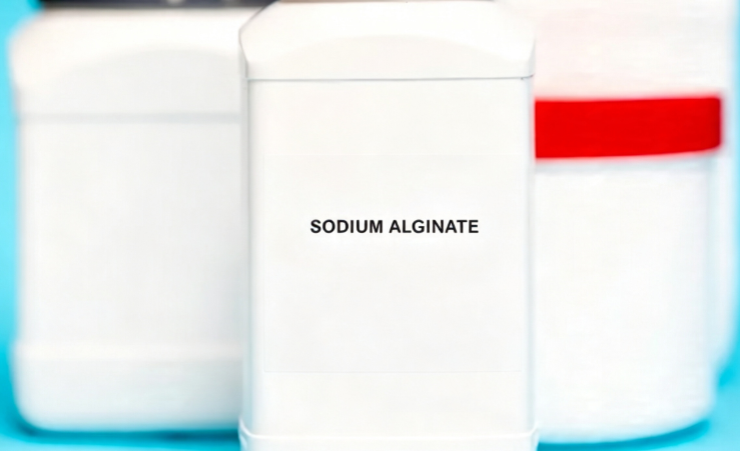
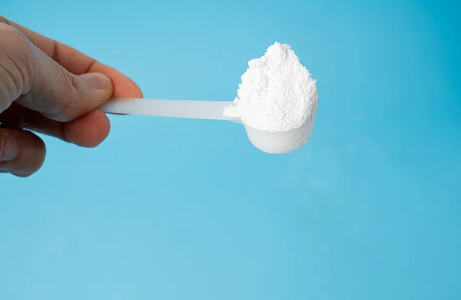
Hey there! If you're into the food game or working on product formulation, you've probably heard of Sodium Alginate Powder. It’s this pretty amazing ingredient that comes from brown seaweed and is super versatile. People use it to thicken, stabilize, or turn their stuff into gels — pretty neat, right? But here’s the thing: getting it right can be a bit tricky. Many manufacturers struggle a bit with using it properly, especially when it comes to nailing the right texture or flavor.
Honestly, knowing how to use Sodium Alginate Powder properly can seriously boost your product quality, but you gotta understand its properties first. It’s one of those ingredients where experimenting, sometimes failing, is part of the process — but those failures often lead to pretty awesome breakthroughs! Think of it as a little creative adventure.
And don’t forget, partners like Food Texture Solutions are there to help you out with tips and insights. They stress how important testing and quality control are — because while proper use can take your products to the next level, sometimes things won’t go as planned. That’s totally normal. The key is learning from those slip-ups and pushing forward. With a bit of patience and some trial and error, you’ll get the hang of Sodium Alginate Powder in no time.
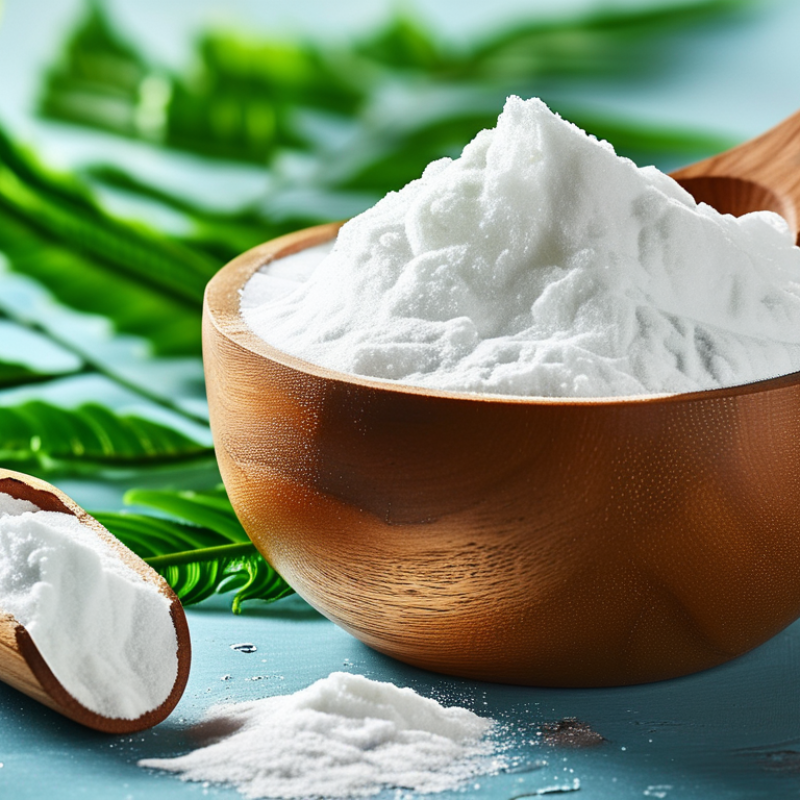
Understanding Sodium Alginate: Definition and Source
Sodium alginate is a natural polysaccharide derived from brown seaweed. It acts as a thickening agent and stabilizer in various products. Often used in food, pharmaceuticals, and cosmetics, it provides texture and enhances the sensory experience. Understanding its source is crucial for utilizing its properties effectively.
The extraction process involves treating the seaweed with alkaline substances. This extraction can affect the alginate’s quality. Variations in seaweed species and processing methods lead to differences in viscosity and gelling capabilities. Product developers should experiment to find the right type for their needs. Many factors can influence effectiveness, such as pH and concentration levels.
In applications, clarity and consistency in mixtures are essential. Lack of proper blending can yield unsatisfactory results. Monitoring batch consistency is vital. Producers must pay attention to these details for optimal performance. Sodium alginate presents opportunities but requires thoughtful consideration to harness its full potential.
The Properties of Sodium Alginate Powder in Product Formulation
Sodium Alginate is a natural polysaccharide derived from brown seaweed. It has unique properties that make it invaluable in product formulation. One of its most notable features is its ability to form gels when mixed with calcium ions. This gelation property is useful in food products, pharmaceuticals, and cosmetics.
In the food industry, Sodium Alginate acts as a thickening agent. It enhances texture and stability in sauces and dressings. When used in molecular gastronomy, Sodium Alginate creates interesting food transformations. Imagine a gel sphere bursting with flavor upon contact with your palate. This effect can elevate culinary experiences.
However, using Sodium Alginate requires precision. The correct ratio of alginate to calcium is crucial. Too much calcium can lead to undesired firmness, while too little may result in a weak gel. Experimentation is essential to find the right balance for desired outcomes. Additionally, understanding its interaction with other ingredients helps in creating top-notch products.
Common Applications of Sodium Alginate in Food and Health Products
Sodium alginate is gaining traction in various sectors, particularly in food and health products. This organic compound is derived from brown seaweed and serves multiple functions. Its gel-forming abilities make it ideal for creating textures in products such as jellies, sauces, and dairy alternatives. According to the International Food Information Council, the global sodium alginate market is expected to grow significantly, driven by rising consumer demand for clean-label products.
In health products, sodium alginate is often used for its medicinal properties. It can aid in digestion and help maNAGe weight by creating a feeling of fullness. A recent study published in the Journal of Nutrition revealed that sodium alginate contributed to reduced hunger pangs, which could be beneficial for weight management programs.
Here are a few tips when incorporating sodium alginate into your products. Start with low concentrations to avoid overly gelatinous textures. Test different textures for your target audience. Monitor consumer feedback closely to refine your products. Be cautious; excessive use can lead to undesirable flavors, so balance is key. While sodium alginate presents numerous benefits, it requires careful application to maximize its effectiveness.
How to Properly Measure and Mix Sodium Alginate Powder
Sodium alginate powder is a versatile ingredient widely used in food, cosmetics, and pharmaceuticals. Proper measurement and mixing are key to achieving the desired results. Start by weighing the powder accurately. A kitchen scale ensures you keep the right proportions. Too much sodium alginate can lead to undesired viscosity.
When mixing, use room temperature water. Cold water might clump the powder. Gradually sprinkle the sodium alginate into the water while stirring continuously. This helps to prevent lumps from forming. Mixing should be done slowly and patiently. Allow it to hydrate fully for at least 30 minutes. Rushing this step can affect the texture of your final product.
As you work with sodium alginate, consider these tips. Always store the powder in a cool, dry place. If humidity affects it, clumping can occur. Testing small batches first can be beneficial. Learn how different concentrations impact your product. Experiment and take notes. Each application may require a little tweaking. Don't be discouraged by early failures; they often teach the best lessons.
Tips for Achieving Desired Texture and Viscosity with Sodium Alginate
Sodium alginate is a versatile thickening agent. It is derived from brown algae and is used in various products. Its ability to create gels makes it a favorite among food manufacturers. However, achieving the desired texture and viscosity with sodium alginate can be tricky.
To start, it is important to consider the concentration of sodium alginate used. Higher concentrations can create a firmer gel, while lower amounts yield smoother textures. The interaction with calcium ions is also crucial. Recent studies indicate that optimal gel strength occurs when calcium is carefully balanced. Too much calcium can lead to brittleness, while too little results in weak gels.
Another tip involves the use of Alginate Oligosaccharide. These smaller molecules can enhance solubility and improve the overall mouthfeel. When incorporated, they can provide a unique texture and viscosity that consumers appreciate. It’s essential to experiment with ratios to find the perfect blend for your specific needs.
Lastly, temperature plays a significant role in the gelling process. Warmer temperatures may require longer setting times, affecting the final product. Adjusting the pH can also change the viscosity significantly, so monitoring these factors is vital.
Safety and Storage Guidelines for Sodium Alginate Powder
When storing sodium alginate powder, ensuring its safety and efficacy is crucial. This ingredient should be kept in a cool, dry place. Direct exposure to light and moisture can degrade its quality. Use airtight containers to protect the powder from air and humidity. Inspect it regularly for signs of clumping or discoloration. These issues could indicate deterioration, affecting your products' performance.
Handling sodium alginate requires caution. Always wear gloves and a mask to minimize inhalation risks or skin irritation. While sodium alginate is generally safe, it’s essential to follow recommended usage levels. Consult accurate guidelines for incorporation into formulations. Safety data sheets provide vital information on potential hazards and proper handling.
Some users have reported challenges with solubility. This can affect the desired texture in products like dairy alternatives. Testing small batches can help identify the right ratios for optimal results. Reflecting on these aspects is key. Maintaining high standards of safety and quality should always be a priority when working with sodium alginate powder.
Top Tips for Using Sodium Alginate Powder
Innovative Uses of Sodium Alginate in Culinary and Industrial Fields
Sodium alginate is a versatile ingredient, widely used across culinary and industrial fields. In gastronomy, it serves as a thickening agent and a stabilizer, enhancing both flavor and texture. For instance, its ability to create spherification effects has revolutionized modern cooking techniques. According to a 2022 study from the Food Science Institute, the market for sodium alginate in the food industry is expected to reach $1.2 billion by 2025, reflecting its growing popularity.
In industrial applications, sodium alginate is often utilized in pharmaceuticals and cosmetics, recognized for its gelling properties. It can encapsulate active ingredients, ensuring even release in formulations. Studies suggest that sodium alginate can enhance the bioavailability of certain compounds, optimizing their effectiveness. However, challenges remain, such as ensuring consistent quality across batches.
Though sodium alginate shows promise, experts urge caution regarding sourcing and processing. Sustainability is crucial, especially in a market where consumers demand transparency. Exploring alternatives, like Sodium Copper Chlorophyll Powder, may also offer innovative solutions. As the industry evolves, ongoing research is vital to address these challenges and maximize sodium alginate's potential.
FAQS
: Sodium alginate powder is used in food, cosmetics, and pharmaceuticals. It's versatile and serves various functions.
Use a kitchen scale for precision. Too much can create undesired viscosity.
Always mix with room temperature water. Cold water may cause clumping.
Gradually sprinkle the powder while stirring continuously. This prevents lumps.
Allow at least 30 minutes for full hydration. Rushing affects texture.
Store in a cool, dry place. Keep it sealed in airtight containers.
Wear gloves and a mask. This minimizes skin irritation and inhalation risks.
Testing helps identify right ratios. Each application might need slight adjustments.
Check for clumping or discoloration regularly. These signs indicate deterioration.
Some users face solubility issues. Reflect on these and adjust your approach.
Conclusion
Sodium Alginate Powder is a versatile ingredient derived from brown seaweed, known for its unique thickening and gelling properties. This powder plays a significant role in the formulation of various food and health products, allowing manufacturers to achieve desirable textures and viscosities. Common applications include use in sauces, dressings, and even pharmaceutical formulations, highlighting its importance in both culinary and industrial fields.
To effectively utilize Sodium Alginate Powder, proper measurement and mixing techniques are essential. Understanding how to achieve the desired texture and viscosity can enhance product quality. Additionally, safety and storage guidelines must be followed to ensure the powder maintains its effectiveness. As innovative uses continue to emerge, Sodium Alginate Powder remains a critical component for those looking to enhance their products while tapping into its unique functional properties.