Leave Your Message

Reasons for contact:

Where are you in your project?

Product Type(s) of Interest

0%

Picking the right Pullulan Powder supplier isn't just about running some quick price comparisons on a spreadsheet. I mean, this stuff can be used for all sorts of things—like capsules, edible films, coatings, and other specialized applications. And trust me, the quality really impacts how things process, look, stay stable, and how customers perceive your product. From experience, it’s the small details that often reveal the biggest differences between suppliers.

So, I’ve put together ten practical tips to help you evaluate if a supplier is reliable. These cover all the essentials—product specs, transparency about where they source from, batch testing results, certificates of analysis, and how strictly they control their manufacturing process. It’s also worth checking if they follow good manufacturing practices (GMP), how they handle allergens, how they package and protect their products, their storage instructions, and their delivery track record. A trustworthy supplier should be open about their testing methods—no fancy buzzwords, just straightforward explanations. And if you can find independent lab results to back up their claims, all the better—sometimes their documentation isn’t enough on its own.

Don’t forget, good communication counts too. Ask how they deal with any issues, deviations, or changes in your requirements. It’s smart to request samples before you commit to a big order—really see if what they send matches your needs. Make sure the Pullulan Powder they offer lines up with your intended application and regulatory standards. Sure, a lower price might seem tempting, but it could also mean weaker documentation, less consistent service, or hidden issues. Honestly, no checklist can cover everything. You’ll need to use your judgment, be patient, and ask follow-up questions.

Some folks tend to focus too much just on the certificates, which makes sense, but certificates alone don't guarantee the product's performance. Production records, how samples behave, shipping history, and how responsive their tech support is—all these pieces together give you a much clearer picture. These tips aim to help you make your supplier evaluation more structured and practical. At the end of the day, they’ll help you find a good partner, but remember—trust, thoroughness, and a bit of skepticism are key to making the right call.
10 Tips for Choosing a Pullulan Powder Supplier?

Define Your Pullulan Powder Application and Quality Requirements

Define the application before comparing any Pullulanpowder supplier. Oral films need rapid hydration, clean taste, and consistent film strength. Capsule shells require controlled viscosity, moisture, and mechanical durability. Edible coatings may prioritize transparency and oxygen resistance. A 2024 Grand View Research outlook projects steady growth for functional biopolymer materials through 2030. That growth increases supplier choices, but not necessarily quality.

Match each requirement with measurable specifications. Request viscosity at a stated concentration and temperature, particle-size distribution, moisture content, ash, microbial limits, and heavy-metal results. For food or pharmaceutical use, ask for batch-specific certificates of analysis and full traceability. FAO/WHO JECFA identifies Pullulan as food additive INS 1204, making identity and purity documentation especially important. Do not accept vague terms like “high purity.” Define the test method.

Check performance in your actual process. A powder can look uniform yet dissolve slowly at 25°C. It may also form brittle films under low humidity. Ask for samples from multiple lots, not one attractive sample. Review stability data in the final package. A common mistake is testing only laboratory yield. Real production exposes mixing, storage, and sealing problems. No specification is perfect. Revisit it after pilot trials.

10 Tips for Choosing a Pullulan Powder Supplier

Define your pullulan powder application and quality requirements before comparing suppliers.

Common procurement checkpoints include moisture, ash, and pH. Typical food and pharmaceutical supplier specifications often target moisture at or below 6%, ash at or below 5%, and pH within approximately 5.0–7.0. Actual limits should be confirmed against the intended use, applicable regulations, and the supplier’s certificate of analysis.

Verify Supplier Qualifications, Certifications, and Manufacturing Standards

Choosing a Pullulan Powder supplier requires more than comparing prices. Verify the company’s legal registration, facility address, production scope, and years of relevant experience. Ask whether its quality team understands food, supplement, or pharmaceutical-grade requirements. A supplier offering L-Carnitine Powder should also explain how different materials are segregated and controlled.

Tip: Request current certificates, not scanned files with unclear dates. Review GMP, ISO 9001, HACCP, or other applicable certifications. Confirm the certificate holder, factory location, audit body, and approved manufacturing scope. A polished certificate is not enough. During one supplier review, I found that a valid certificate covered storage only, not powder production. Small details matter.

Tip: Examine the quality documents closely. Each batch should have a traceable certificate of analysis showing identity, purity, moisture, microbial limits, and heavy-metal results. Ask for testing methods and laboratory qualifications. Independent testing can strengthen confidence, especially for new suppliers. Request a retained sample and compare its appearance, flow, and packaging with the production batch. Packaging should be sealed, labeled, and protected from humidity. Suppliers should also describe complaint handling, recall procedures, change notifications, and raw-material traceability. Some answers may feel incomplete. That is useful information, not an inconvenience.

Evaluate Pullulan Powder Specifications, Purity, and Functional Performance

10 Tips for Choosing a Pullulan Powder Supplier

Pullulan powder specifications should match your application, not just a sales sheet. Check assay, moisture, ash, particle size, viscosity, and microbial limits. Ask whether each value has a defined test method. A reliable supplier should provide a recent certificate of analysis for every production lot. Traceability matters when a batch arrives with slightly different flow behavior.

Purity needs more than one impressive percentage. Review heavy metal limits, residual solvents, allergens, and microbiological results. Confirm the powder’s grade and intended use before approving samples. Do not confuse pullulan with Pure L-Carnitine Powder; they have different chemical identities and functional roles. A clean specification is useful, but independent verification may still be necessary.

Functional performance becomes visible during testing. Prepare a small trial and record dissolution time, solution clarity, film strength, viscosity, and stability after storage. Pullulan can behave differently when humidity changes. Request data at realistic temperatures, not only ideal laboratory conditions. A supplier should explain manufacturing controls, packaging barriers, shelf life, and transport conditions. Documentation can look complete.

Still, it may miss a practical weakness. Test the powder with your actual formula, equipment, and dosage. Ask technical staff to explain unusual results without avoiding difficult questions. Clear answers, consistent batches, and honest limitations reveal more than polished marketing language.

Assess Production Capacity, Supply Reliability, and Customization Options

Choosing a pullulan powder supplier requires more than comparing prices. Production capacity should match your expected demand and growth plans. Ask for monthly output, typical batch size, and current lead times. A capable supplier should explain how it handles peak orders without weakening quality control.

Supply reliability depends on systems, not promises. Request recent certificates of analysis, batch records, and documented testing methods. Check whether the supplier monitors moisture, purity, particle size, and microbial limits consistently. Ask about raw material sourcing and backup arrangements. One delayed shipment can interrupt packaging schedules, production trials, or customer deliveries. Get clear answers in writing.

Customization can improve processing efficiency, but it may increase cost and approval time. Discuss particle size, dissolution behavior, packaging formats, and labeling documents before placing a trial order. Small pilot batches are useful. They reveal handling problems that specifications may miss. A polished sales sheet is not proof. A mistake worth admitting is choosing a supplier before testing multiple lots. Compare samples from different production dates and examine their flow, appearance, and performance in your formulation. This practical evidence supports a more reliable decision.

Compare Pricing, Packaging, Shelf Life, and Shipping Conditions

When choosing a pullulan powder supplier, compare the delivered cost, not only the quoted price. Ask for a price per kilogram, minimum order quantity, testing fees, and customs-related charges. A low offer may exclude moisture testing or protective packaging. Request three comparable quotations. Keep the specifications identical.

Packaging affects both quality and cost. Pullulan powder can absorb moisture, so prefer sealed inner liners inside rigid cartons or drums. Ask whether the package includes desiccant protection and tamper evidence. The supplier should provide batch numbers, net weight, manufacturing date, and a certificate of analysis. FAO/WHO JECFA specifications emphasize identity, purity, and contaminant controls for food ingredients. Algae Powder may require different moisture protection, so never assume one packaging format suits both materials.

Shelf life deserves careful verification. Request real-time stability data, not only a printed expiry period. ICH Q1A(R2) uses accelerated testing at 40°C and 75% relative humidity for six months. This does not automatically prove a product’s full shelf life. Check moisture, viscosity, microbial results, and appearance at release and expiry. Shipping conditions should state temperature limits, humidity controls, pallet protection, and transit responsibility. A useful comparison is cost per usable kilogram after damage and rejected batches. It is less tidy, but more honest. Some suppliers provide excellent documents yet vague shipping records. Ask for recent shipment examples and inspect the assumptions behind every promise.

10 Tips for Choosing a Pullulan Powder Supplier? - Compare Pricing, Packaging, Shelf Life, and Shipping Conditions

Tip Evaluation Dimension Practical Benchmark What to Confirm with the Supplier Recommended Decision Rule
1 Compare total pricing Bulk food-grade pullulan powder commonly requires a written quotation because price varies with purity, viscosity, order volume, and destination. Freight, insurance, testing, and duties may be quoted separately. Request the product price, minimum order quantity, freight cost, customs terms, payment terms, and any laboratory or documentation fees. Select on landed cost per kilogram rather than the quoted product price alone.
2 Check product grade Food, pharmaceutical, cosmetic, and research grades can have different specifications, controls, and documentation requirements. Verify the intended application, applicable food or pharmaceutical standards, purity specification, viscosity range, and allergen statement. Do not compare prices for different grades as if they were equivalent products.
3 Review purity and test data A suitable specification should identify appearance, identification, moisture or loss on drying, ash, pH where applicable, viscosity, microbiological limits, and heavy metals. Ask for a recent certificate of analysis linked to a batch number and confirm the test methods and acceptance limits. Prefer batch-specific results over an undated generic specification sheet.
4 Evaluate packaging options Common commercial formats include sealed inner liners placed in fiber drums, paper bags, or cartons. Packaging should protect the powder from moisture and contamination. Confirm net weight, liner material, tamper evidence, pallet configuration, labeling language, and whether custom pack sizes are available. Choose packaging that matches warehouse handling and avoids unnecessary repacking.
5 Verify shelf life Commercial shelf life is often stated as approximately 24 months from manufacture when the product remains in its original, unopened packaging and is stored correctly. The supplier’s approved specification controls. Check manufacture date, expiry or retest date, remaining shelf life at dispatch, and stability or storage data. Set a minimum remaining shelf-life requirement, such as 75% of the stated shelf life at receipt.
6 Confirm storage conditions Pullulan powder is generally handled as a dry ingredient and should be protected from moisture, heat, direct sunlight, and strong odors. Request the exact temperature and humidity guidance, post-opening handling instructions, and warehouse requirements. Reject suppliers that cannot provide clear storage and post-opening instructions.
7 Assess shipping conditions Standard dry shipments generally do not require refrigerated transport, but exposure to rain, condensation, high humidity, and excessive heat should be avoided. Confirm moisture-barrier packaging, container cleanliness, weather protection, transit time, and temperature or humidity controls where required. Use sealed, moisture-protected freight and avoid prolonged storage at ports or in uncovered areas.
8 Check minimum order quantity Minimum quantities may range from a few kilograms for samples to one or more drums or pallets for commercial orders, depending on the supplier’s production and export policy. Ask for sample quantity, trial-order quantity, standard commercial quantity, lead time, and the price impact of smaller orders. Match order size to realistic consumption so excess inventory does not reduce usable shelf life.
9 Review quality-system documents Useful documents may include a specification sheet, certificate of analysis, safety data sheet, allergen statement, non-GMO statement, origin statement, and manufacturing or quality certificates where relevant. Confirm document revision dates, traceability, complaint handling, change notification, and audit or questionnaire support. Choose a supplier able to maintain consistent records for every shipment.
10 Evaluate delivery reliability Lead time depends on stock status, production scheduling, order quantity, export clearance, and destination. A written lead-time range is more useful than an informal promise. Ask for production lead time, dispatch time, estimated transit time, tracking availability, delivery terms, and contingency plans for delays. Prefer suppliers offering traceable shipments, realistic delivery windows, and responsive communication.

Note: Pricing, minimum order quantities, lead times, specifications, and shelf-life terms vary by grade, batch, destination, and supplier. Obtain current written confirmation before placing an order.

Review Technical Support, Documentation, and Long-Term Service Quality

Choosing a pullulan powder supplier requires more than comparing price and purity. Grand View Research’s 2024 market analysis projects steady global growth for pullulan, at roughly 5% annually. That growth increases pressure on suppliers to provide reliable technical support, not only attractive specifications. Ask whether specialists can explain viscosity, moisture, microbial limits, and storage behavior in practical terms.

Tip 1

Test the documentation before testing the powder. Request a current specification sheet, certificate of analysis, safety data sheet, allergen statement, and change-control procedure. The ICH Q7 guideline emphasizes traceable records and controlled manufacturing practices for quality-sensitive materials. Documents should match the actual batch. Vague templates are warning signs. Check revision dates, testing methods, and responsible signatures.

Tip 2

Examine technical responsiveness. Send three detailed questions and record the reply time. Strong support should address formulation trials, dissolution problems, packaging damage, and transport conditions. A supplier that only forwards brochures may struggle during scale-up. The 2023 WHO report on quality assurance stresses consistent processes, training, and documented oversight. These principles matter even when pullulan is used in food or non-pharmaceutical applications.

Tip 3

Review long-term service quality. Ask for complaint-handling timelines, retention-sample policies, supply continuity plans, and notification procedures for raw-material changes. I would not accept a certificate as complete proof. That shortcut feels efficient, but it can hide weak controls. Request a small technical review meeting. No polished sales answer can replace clear evidence. A capable supplier welcomes difficult questions and records the follow-up.

Bulk Elderberry Extract Powder: Benefits, Uses, and Quality Standards for 25% Anthocyanins

Bulk elderberry extract powder is increasingly used in functional foods, beverages, dietary supplements, and nutraceutical formulations. Market research reports, including analyses from Grand View Research and Fortune Business Insights, identify rising consumer interest in plant-based ingredients and antioxidant-rich botanicals as important growth drivers for the elderberry extract sector. For manufacturers, standardized anthocyanin content is essential for consistent formulation, quality control, and transparent product positioning.

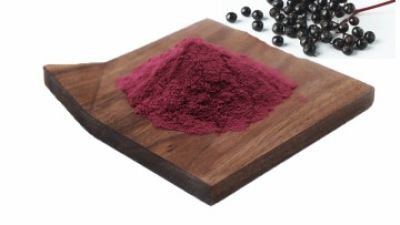
Elderberry Fruit Extract is sourced from *Sambucus nigra L.* and standardized to 25% anthocyanins, with 17% anthocyanosides. These naturally occurring pigments contribute to the characteristic deep-purple color of elderberries and are widely studied for their antioxidant properties. The powder is suitable for capsules, tablets, drink mixes, gummies, and other product formats. As emphasized in botanical ingredient quality reports from organizations such as the American Botanical Council, botanical identity, marker-compound testing, traceability, and contaminant control are key considerations when selecting bulk extracts.

The ingredient is packed in 25 kg drums and should be stored in a cool, dry environment away from direct light to help protect color and active constituents. Manufacturing and quality systems are supported by cGMP, ISO 22000, ISO 9001, EU and NOP Organic, Kosher, BRC, and Halal certifications. Orders can be arranged through T/T, VISA, XTransfer, or Alipay, with shipping available in approximately 3–5 days, supporting efficient supply planning for international buyers.

FAQS

: How should I define powder requirements before choosing a supplier?

: Match requirements to the application. Oral films need rapid hydration, clean taste, and consistent strength. Capsule shells need viscosity, moisture control, and durability. Edible coatings may require transparency and oxygen resistance.

Which quality specifications should I request?

Request viscosity at a stated concentration and temperature. Also request particle-size distribution, moisture, ash, microbial limits, and heavy-metal results. Define every test method clearly.

Why should I test samples from multiple production lots?

One attractive sample proves little. Test several lots for flow, appearance, dissolution, and film performance. A uniform powder may still dissolve slowly at 25°C.

What certificates and documents should a supplier provide?

Request current certificates, batch-specific analysis reports, traceability records, and laboratory methods. Check the certificate holder, factory address, audit body, and manufacturing scope.A valid certificate may cover storage only.

How can I check manufacturing and quality controls?

Verify legal registration, facility details, production scope, and relevant experience. Ask how materials are segregated and controlled. Review complaint handling, recalls, change notifications, and retained samples.Some answers may feel incomplete.

How do I evaluate production capacity and supply reliability?

Ask for monthly output, typical batch size, lead times, and peak-order procedures. Confirm backup raw-material arrangements. Get delivery commitments in writing.Promises are not systems.

What customization options should I discuss?

Discuss particle size, dissolution behavior, packaging format, and labeling documents. Customization may improve processing but increase cost and approval time. Pilot batches reveal practical handling problems.Small trials matter.

What common mistakes should buyers avoid?

Do not choose by price or polished sales materials alone. Do not test only laboratory yield. Compare multiple production dates and review stability inside the final package.I would revisit specifications after pilot trials.

Conclusion

Choosing the right Pullulan Powder supplier requires more than comparing prices. First, define your application, required purity, performance characteristics, and compliance expectations. Review each supplier’s qualifications, certifications, manufacturing standards, quality control procedures, and testing documentation. Confirm that the powder meets your specifications for purity, solubility, viscosity, moisture, particle size, and other functional properties relevant to your product.

You should also assess production capacity, supply continuity, lead times, minimum order quantities, and the supplier’s ability to provide customized specifications or packaging. Compare total purchasing costs, including packaging, shipping, storage conditions, and shelf life, rather than focusing only on the quoted unit price. Finally, evaluate the quality of technical support, certificates of analysis, product documentation, communication, and after-sales service. A reliable long-term supplier should provide consistent Pullulan Powder quality, transparent information, responsive assistance, and stable delivery to support your operational and product development needs.

Ethan

Ethan

Ethan is a dedicated marketing professional at Shaanxi Yuantai Biological Technology Co., Ltd., where he plays a pivotal role in promoting the company's extensive range of products. With a deep understanding of plant extracts, nutritional supplement raw materials, cosmetic raw materials, organic......
Previous China Top Creatine Powder Manufacturers for Global Buyers
Next Top 10 Conjugated Linoleic Acid Powder Suppliers?