Hey, have you heard about Tea Polyphenols? They're really catching people's attention these days because of all the health perks they might offer. You find them pretty heavily in green tea, and they're pretty awesome antioxidants. Lots of research suggests they could help out with things like heart health, brain function, and even staying on top of weight maNAGement. Pretty cool, right?
Scientists have also found that Tea Polyphenols may help reduce oxidative stress — that kinda sneaky thing that’s linked to a bunch of chronic illnesses. But honestly, we're still figuring out exactly how all these benefits work. Everyone reacts a little differently to them, so the research is ongoing—there’s still a lot we don’t fully get.
And, of course, there are some questions around the right dosage and how well our bodies absorb these compounds. You’ve got to find that sweet spot to actually see the benefits. Overall, it seems like Tea Polyphenols could be pretty promising, but we need more studies to really get the full picture.

Understanding Tea Polyphenols: Definition and Types
Tea polyphenols are natural compounds found primarily in tea leaves. They play a vital role in health benefits associated with tea consumption. The most studied types include Catechins, flavonoids, and tannins. Among these, catechins have gained attention for their antioxidant properties. Research indicates that these compounds may reduce risks related to chronic diseases.
A 2021 study published in the "Journal of Nutrition" highlighted that regular tea drinkers showed a 25% lower risk of heart disease. This is partly attributed to catechins found in green tea. Green Tea Extract Polyphenol is rich in epigallocatechin gallate (EGCG), which has been linked to metabolic health. Its inclusion could enhance weight management efforts and improve insulin sensitivity.
However, not all findings are definitive. Some studies report mixed results regarding the efficacy of tea polyphenols. Factors like brewing time and tea variety can influence the amount of beneficial compounds extracted. Therefore, while tea polyphenols offer potential health benefits, more research is essential to fully understand their impact on human health.
Why are Tea Polyphenols Essential for Health Benefits?
| Type of Polyphenol | Health Benefits | Sources | Recommended Daily Intake |
| Catechins | Antioxidant properties, heart health | Green tea, black tea | 200-500 mg |
| Theaflavins | Cholesterol reduction, weight management | Black tea | 100-300 mg |
| Flavonols | Anti-inflammatory, improve blood flow | Green tea, oolong tea | 50-200 mg |
| L-theanine | Stress reduction, improved focus | Green tea, black tea | 20-40 mg |
The Role of Tea Polyphenols in Antioxidant Activity
Tea polyphenols are powerful antioxidants found in various types of tea. Their health benefits are attributed to their ability to combat oxidative stress in the body. Oxidative stress occurs when there is an imbalance between free radicals and antioxidants. This condition can lead to chronic diseases, including heart disease and diabetes.
Research indicates that tea polyphenols can neutralize free radicals. They help protect cells from damage. For example, catechins, a type of tea polyphenol, are particularly effective. These compounds enhance the body’s natural defense mechanisms. They may also boost the effectiveness of other antioxidants.
Incorporating tea into your daily routine can be beneficial. However, relying solely on tea for health is not enough. It's essential to maintain a balanced diet and a healthy lifestyle. While tea is a good source of antioxidants, it should complement other nutritious foods. The journey towards optimal health involves a holistic approach.
Health Benefits of Tea Polyphenols: A Review of Scientific Studies
Tea polyphenols are gaining attention for their potential health benefits. These compounds, primarily found in green and black tea, exhibit antioxidant properties. Research indicates that tea polyphenols can reduce the risk of chronic diseases. A study published in the Journal of Nutrition noted a 30% decrease in cardiovascular diseases among regular tea drinkers.
These compounds also aid in weight management. A meta-analysis reviewed multiple trials and found that tea polyphenols can enhance fat oxidation during exercise. Participants who consumed tea showed improved metabolism, contributing to more effective weight loss. This suggests a practical approach for those seeking a healthier lifestyle.
However, not all studies reach the same conclusions. Variations in tea preparation and individual biochemistry can affect results. More research is needed to understand the full scope of tea polyphenols' effectiveness. While the findings are promising, a one-size-fits-all solution is unlikely. Future studies should focus on personalized approaches to maximize these benefits.
Health Benefits of Tea Polyphenols
This chart illustrates the health benefits associated with different concentrations of tea polyphenols based on scientific studies. The positive impact on various health metrics increases with higher concentrations of polyphenols.
Mechanisms of Action: How Tea Polyphenols Influence Health
Tea polyphenols are bioactive compounds found in tea leaves. They have garnered attention for their diverse health benefits. These compounds wield antioxidant properties, which help combat oxidative stress in the body. Oxidative stress can lead to various chronic diseases.
Research indicates that tea polyphenols improve cardiovascular health. They enhance blood flow and lower blood pressure. Regular consumption can support heart function by reducing cholesterol levels. Some studies suggest that tea polyphenols may also aid in weight management. They activate metabolic processes that help burn fat more effectively.
In addition, tea polyphenols exhibit anti-inflammatory effects. This can contribute to overall wellness and disease prevention. For those looking to harness these benefits, Tea Polyphenol Powder can be a convenient option. However, relying solely on it may not provide all necessary nutrients. Balance is key, and incorporating a variety of foods remains essential for optimal health.
Sources of Tea Polyphenols: Types of Tea and Their Content
Tea polyphenols are powerful compounds found in various types of tea. Green tea, for instance, is well-known for its high concentration of these beneficial antioxidants. Research suggests that green tea can support heart health and weight management. The unique brewing process of green tea helps retain these polyphenols effectively.
Black tea, another popular choice, contains theaflavins and thearubigins. These compounds are formed during the oxidation of tea leaves. They contribute to the rich color and flavor of black tea and offer distinct health benefits. Studies indicate that black tea may improve gut health and aid digestion. Oolong tea sits in between green and black tea, balancing the levels of polyphenols.
Herbal teas, although not derived from traditional Camellia sinensis leaves, can still provide health benefits. They often contain flavonoids and other antioxidants. However, their polyphenol content varies significantly. It's essential to consider the source and preparation of herbal teas before relying on their health claims. Overall, choosing a variety of teas can enhance your diet and well-being.
Potential Side Effects and Considerations of Tea Polyphenols
Tea polyphenols are widely praised for their health benefits, but they can also have side effects that shouldn’t be overlooked. High consumption of tea polyphenols may lead to digestive issues, such as upset stomach or nausea. A study published in the Journal of Nutrition highlighted that excessive intake could negatively impact gut health. Additionally, excessive tea polyphenols can interfere with iron absorption, potentially leading to deficiencies over time, especially in individuals with low dietary iron.
When considering tea polyphenols, moderation is key. Consuming 2-3 cups daily is typically safe for most people. However, those with specific health conditions or on certain medications should consult a healthcare professional. Some individuals may experience headaches or nervousness due to caffeine in tea, which often accompanies these polyphenols. Balance is crucial to enjoy the benefits without facing adverse effects.
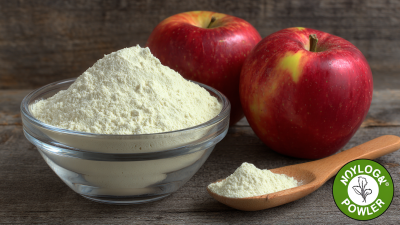
Tips: Always check the source of your tea to ensure quality. Incorporating other polyphenol-rich foods, like Apple Polyphenol Powder, can enhance health benefits without overwhelming your body. Experiment with different types of teas to find what suits you best, but listen to your body’s signals.
Future Research Directions on Tea Polyphenols and Health Benefits
Recent studies highlight the potential of tea polyphenols in promoting health. These compounds have garnered attention due to their antioxidant properties. They may help combat oxidative stress in cells. However, much remains to be explored in this realm. For instance, the interaction between tea polyphenols and other dietary agents is not fully understood.
Future research should address these gaps. Exploring the mechanisms behind tea polyphenols can provide valuable insights. How do they interact with gut microbiota? What is their role in inflammation? These questions deserve thorough investigation. Similarly, comparing tea polyphenols with compounds like Apple Polyphenol could reveal new health strategies. Their unique biochemical pathways are areas worth exploring further.
It’s crucial to recognize the limitations of current research. Much of the data is preliminary, and long-term studies are needed. Scientists must tread carefully when making health claims. Each new finding should be scrutinized and validated through rigorous studies. Understanding these nuances is essential for enhancing knowledge in health science.
Harnessing the Healing Power of Tea Tree Essential Oil: Benefits, Uses, and Application Tips
Tea tree essential oil, derived from the leaves of the Melaleuca alternifolia, is renowned for its multifaceted healing properties. This colorless or pale yellow liquid boasts a fresh, slightly pungent, and woody aroma, making it a favorite in natural remedies and aromatherapy. The therapeutic benefits of tea tree oil include its antibacterial, antifungal, and anti-inflammatory properties, making it an effective solution for skin issues such as acne, dandruff, and minor cuts and abrasions.
When using tea tree essential oil, it's important to follow proper application tips to maximize its benefits. Always dilute the oil with a carrier substance, such as coconut or almond oil, before applying it directly to the skin to avoid irritation. Store the oil in a cool, dry place away from direct light to maintain its potency. With a speedy shipping time of 3-5 days, individuals can quickly incorporate this essential oil into their wellness routines. The oil holds various certifications, including cGMP and ISO certifications, ensuring high-quality standards ideal for personal use. Whether for soothing a breakout or enhancing your skincare regimen, tea tree oil is a versatile ally in natural health.
FAQS
: Tea polyphenols are bioactive compounds found in tea leaves. They offer various health benefits.
They have antioxidant properties, reducing oxidative stress. This helps prevent chronic diseases.
Yes, they enhance blood flow and lower blood pressure. This supports overall heart function.
Some studies suggest they activate metabolic processes that aid in fat burning.
High intake may cause digestive issues like an upset stomach or nausea.
Excessive consumption can interfere with iron absorption, potentially causing deficiencies over time.
Generally, 2-3 cups daily is safe for most individuals. Moderation is important.
Not necessarily. Those with certain health conditions should consult a healthcare professional first.
Yes, some individuals may experience headaches or nervousness from caffeine in tea.
Balance is crucial. Incorporate a variety of foods and listen to your body’s signals.
Conclusion
Tea polyphenols are compounds found in tea that play a crucial role in promoting health benefits due to their potent antioxidant properties. This summary explores the definitions and various types of tea polyphenols, highlighting their ability to combat oxidative stress and inflammation. Scientific research has demonstrated the diverse health benefits of tea polyphenols, including support for cardiovascular health, weight management, and cancer prevention through multiple mechanisms of action.
In addition to discussing the primary sources of tea polyphenols, this article also addresses the potential side effects and considerations that should be kept in mind when incorporating them into one's diet. Lastly, it outlines future research directions to further understand the impact of tea polyphenols on health, emphasizing their significance in nutrition and wellness. Understanding these aspects can help individuals make informed choices about their tea consumption for optimal health benefits.