When you're sourcing Vitamin K3 powder in 2026, it's really not just about chasing after the lowest price. You need to dig a little deeper — making sure the material's identity, how it’s made, documentation, and how you plan to use it all line up before you sign on with a supplier. Sometimes, Vitamin K3 shows up under different names or descriptions in the market, so it’s important that the chemical name, CAS number, grade, and specs match across all your documents. And don’t forget to check the small sample jar — it should have a lot number, retest date, storage instructions, and a tamper-evident seal. All these little details actually matter more than you might think.
A trustworthy supplier will be able to provide you with an up-to-date Certificate of Analysis, including details about their testing methods and traceability of batch records. If you really want to be thorough, independent testing can verify the identity, purity, moisture content, residual solvents, heavy metals, and microbiological quality — all of which should fit the intended use of the product. It’s also smart to ask if their facility follows good manufacturing practices (GMP) and if they have solid change-control procedures in place. Getting on a call or even doing a video walkthrough, alongside checking references, can give you more genuine insight than just reading glossy brochures. Still, no amount of paperwork beats doing a practical risk assessment yourself. Sometimes certificates look spot-on but leave out crucial details like testing methods or acceptance criteria.
And, of course, it’s super important to keep Vitamin K3 separate from Vitamin K2 Mk4 powder — they’re totally different materials with different specs and uses. Before you ship anything, double-check import rules, labeling requirements, and local restrictions with knowledgeable regulatory folks. When planning your sourcing, compare lead times, minimum order quantities, packaging options, payment terms, and your process for handling complaints. If possible, having two approved suppliers is a good idea — sure, it costs more, but it might save you a headache down the line by ensuring supply continuity. A detailed sourcing plan for 2026 should include reasons why each supplier made the cut, what uncertainties still exist, and when you plan to verify their info again. It’s not a perfect system, but it beats just choosing the cheapest option blindly — better for your peace of mind, and your business's reputation.”
How to Source Vitamin K3 Powder in 2026?
Vitamin K3 powder usually refers to menadione, a synthetic form of vitamin K. It is different from naturally occurring vitamin K1 and K2. Manufacturers commonly use it in animal nutrition, where it supports normal blood-clotting processes. It may appear in premixes, feed additives, or veterinary formulations. Human use requires greater caution, because menadione can cause safety concerns at unsuitable doses. It should not be treated as a casual dietary supplement.
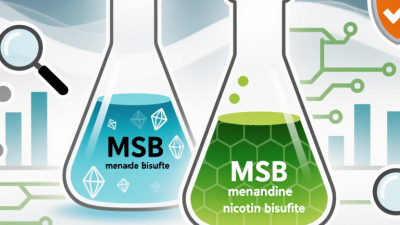
When sourcing in 2026, begin with the exact chemical form and intended application. Menadione sodium bisulfite and related derivatives can differ in stability, solubility, and handling requirements. Ask suppliers for a current certificate of analysis, assay results, residual solvent data, heavy metal limits, and microbiological testing. Confirm the material’s particle size and packaging conditions. Moisture can affect powder performance. A clean technical data sheet is useful, but it is not proof of every quality claim. Independent testing may still be necessary.
Tips: Check the supplier’s traceability records and production site documentation. Request a sample before placing a larger order. Compare batch results, not only prices. Verify that the product meets the regulations of your destination market. Also question unusually perfect specifications; real batches can show small variations. That detail deserves attention, not dismissal.
How to Source Vitamin K3 Powder in 2026?
Buyers should define the chemical form before requesting quotations. Vitamin K3 may refer to menadione or a specific water-soluble salt. Do not treat it as Vitamin K2 Mk7 Powder. Require the exact CAS number, assay basis, and active-content percentage. A practical specification should include assay, moisture, particle size, bulk density, residual solvents, heavy metals, and microbiological limits. Test methods should reference recognized pharmacopeial or validated laboratory procedures.
Quality systems matter, but certificates are not proof of purity. The ISO Survey 2023 reports more than one million ISO 9001 certificates worldwide. That scale is useful context, yet ISO 9001 alone does not verify vitamin potency. Ask for recent batch CoAs, chromatograms, impurity profiles, stability data, and three-batch consistency. For feed applications, evaluate HACCP, GMP, traceability, and feed-specific certification. Confirm whether the supplier can provide tamper-evident packaging, controlled storage, and a documented recall procedure.
Tips: Write acceptance limits before sampling. Request an independent laboratory test. Check the sample against the sealed production batch. A clean-looking powder proves little. Also review regional rules, because permitted forms and maximum uses can differ. One uncomfortable point: low price often reflects weaker testing, but expensive material can still fail specifications. I would keep an approved-supplier list, though it should never replace incoming inspection. The 2024 EFSA feed-additive assessment framework also supports substance-specific safety review, so generic “vitamin grade” claims deserve careful questioning.
When sourcing Vitamin K3 Powder in 2026, evaluate the supplier before comparing price. Ask for a current specification sheet, batch-specific certificate of analysis, safety data sheet, and traceability records. The documents should identify assay, moisture, particle size, heavy metals, residual solvents, and microbiological limits. Generic certificates are weak evidence.
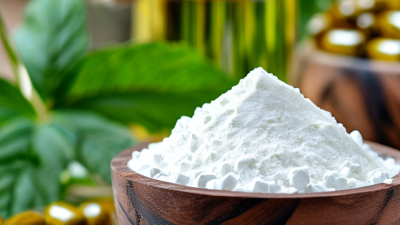
Request a retained sample from the exact production batch. Check its color, flow, odor, and packaging condition. A clean white or pale-yellow powder should not arrive with clumps or a damaged inner liner. Confirm whether testing comes from an independent laboratory with suitable accreditation. If the supplier also handles Vitamin C Powder, request separate storage and cleaning records to reduce cross-contamination risks.
Review the manufacturer’s quality system, audit history, change-control process, and complaint response time. Ask how they investigate an out-of-specification result. A reliable contact will explain the process clearly, not avoid technical questions. Confirm production origin, shipping conditions, shelf life, and minimum order quantity in writing. Regulatory acceptance can differ by country, so verify the intended use with qualified local professionals. I once focused too heavily on a low quotation and overlooked slow document updates. That was a preventable mistake. Supplier evaluation needs patience, records, and a willingness to challenge attractive claims.
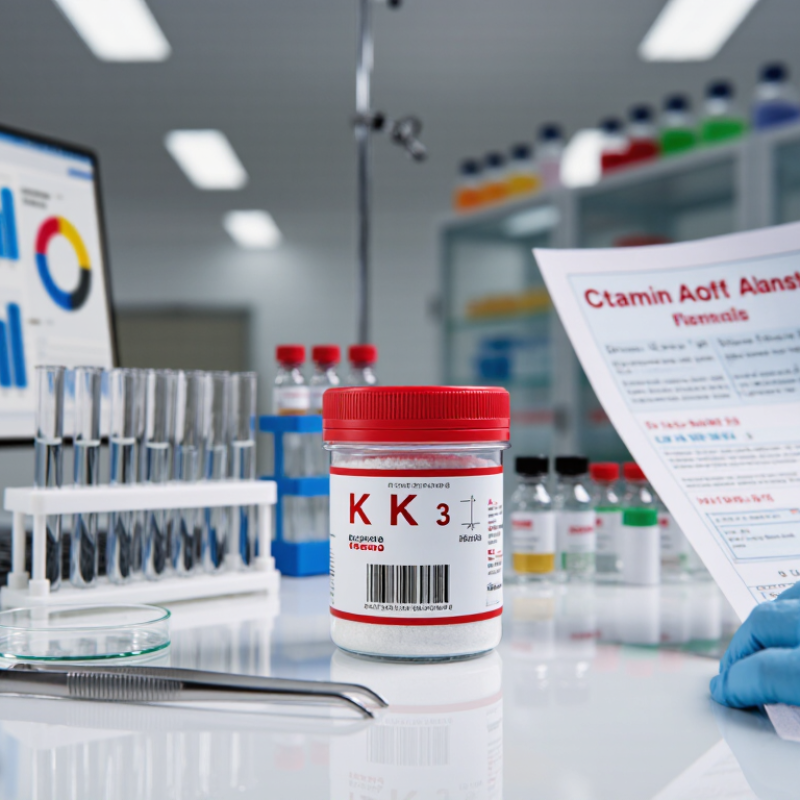
Before purchasing Vitamin K3 Powder, request a complete document pack. Start with a current Certificate of Analysis for the exact batch. It should show assay, appearance, moisture, heavy metals, microbiological limits, and impurity results. Check the test methods, not only the final numbers. A clean-looking table is not enough.
Ask for the Safety Data Sheet, product specification, batch traceability record, and manufacturing date. The supplier should also provide storage conditions, shelf life, packaging details, and country of origin. Confirm that the documents match the material offered. Different grades may have different applications. That difference matters. Request a sample before approving a large order. Compare its label, color, odor, and laboratory results with the paperwork. Small inconsistencies deserve attention.
For quality assurance, request evidence of a current quality system, such as a GMP certificate or relevant audit report. Verify the issuer and validity dates. If the powder is used in a regulated product, ask for documents required in your market. A written statement about allergens, genetic modification, and animal-derived materials may also be useful. Do not accept copied certificates without batch references. I have found that suppliers sometimes send impressive documents with weak traceability. That should slow the decision, not speed it. The same discipline applies when sourcing Vitamin B5 Powder: verify identity, purity, and documentation before discussing price.
When comparing Vitamin K3 powder quotes, check that each supplier is pricing the same grade, form, and specification. A low price means little if the assay range, impurity limits, or test methods differ. Request a recent certificate of analysis and confirm that its lot number matches the offered batch. Also compare the minimum order quantity and whether a sample is available. Small details matter.
Packaging can change the real cost. Ask whether the powder is packed in sealed inner liners, with rigid outer containers, and whether custom pack sizes affect the quote. Keep product records distinct: a search result for Vitamin B7 Powder is not evidence of a Vitamin K3 specification. For shipping, compare the named delivery term, freight charges, insurance, estimated transit time, and responsibility for import documents. Ask how delays or damaged packages are handled. A quote that says “shipping included” may still leave important costs unclear. Put the assumptions in writing, then compare the total landed cost per kilogram—not just the unit price. It is easy to overlook a handling fee, and a neat spreadsheet will not catch terms nobody disclosed.
Compare shipping options using indicative transit-time ranges and a relative freight-cost index. Transit times vary by route, customs clearance, and service; the cost index is for comparison only, not a live quote.
Buying tip: Request comparable quotes using the same product form, assay, order quantity, packaging, destination, and Incoterm. Confirm packaging suitability, required documents, and applicable transport rules with the supplier and carrier before ordering.
When evaluating Vitamin K3 powder, define its intended use and destination market before comparing quotes. Requirements can differ by application and country, so request current compliance documents for the exact product and manufacturing site. A batch-specific certificate of analysis should identify the lot and report relevant identity, assay, impurity, and moisture results. Check the test methods and dates, not just the values. A polished certificate alone proves little.
Tips: Match the lot number on the certificate, label, and shipping documents. Ask whether testing was performed in-house or independently, and request the laboratory’s relevant accreditation details. Keep a sealed retain sample when practical.
Traceability should connect each shipment to its production batch, site, and release records. Ask how the supplier controls changes to specifications, raw-material sources, and manufacturing locations. Verify package integrity on arrival; photograph damaged seals and record the lot before storage. For higher-risk purchases, consider confirmatory testing through a qualified laboratory using suitable methods. Results may vary by method, and no single test answers every question. I would not treat a document checklist as a substitute for reviewing the actual production and quality records.
Request a current specification sheet, batch-specific certificate of analysis, safety data sheet, and traceability records. The documents should show assay, moisture, particle size, heavy metals, residual solvents, and microbiological limits. Generic certificates are weak evidence.
Compare the lot number on the certificate, package label, and shipping records. Check the manufacturing date, grade, origin, and production site. Small mismatches matter. Copied paperwork should not support approval.
Request a sample from the exact production batch before approving a large order. Inspect its color, flow, odor, and packaging condition. Clean white or pale-yellow powder should not contain hard clumps. The inner liner should remain sealed and undamaged.
Ask whether testing was performed internally or by an independent laboratory. Request suitable accreditation details and review the test methods. Do not judge quality from final numbers alone. Methods can change results.
Traceability should connect the shipment with its batch, production site, and release records. Ask how raw materials, specifications, and manufacturing locations are controlled. Keep a sealed retain sample when practical. That step is easy to overlook.
Confirm packaging type, storage conditions, shipping temperature, shelf life, and minimum order quantity in writing. Photograph damaged seals immediately after delivery. Record the lot before placing the powder into storage. Packaging tells part of the story.
Request a current quality certificate, relevant audit report, change-control procedure, and complaint-response process. Ask how the supplier investigates an out-of-specification result. A reliable contact should explain the process clearly. Vague answers deserve caution.
Define the intended use and destination market before comparing quotations. Requirements may differ between countries and applications. Verify acceptance with qualified local professionals. Ask for statements about allergens, genetic modification, and animal-derived materials when relevant.
Price matters, but it should follow document review, sampling, and traceability checks. A low quotation may hide slow updates or weak records. I once focused too heavily on price. That was preventable.
Sourcing Vitamin K3 Powder in 2026 requires a structured evaluation of product function, quality, supplier capability, and regulatory readiness. Buyers should first define the intended application and select appropriate specifications, including purity, form, particle characteristics, stability, and storage requirements. Clear quality standards should be established in advance, supported by testing methods and acceptable limits for identity, composition, contaminants, moisture, and microbiological quality.
A reliable sourcing process should include supplier qualification, production capability reviews, sample evaluation, and verification of essential documents such as a certificate of analysis, safety data sheet, technical data sheet, manufacturing information, and traceability records. Buyers should also compare quotations by considering product grade, packaging format, minimum order quantity, lead time, payment conditions, shipping terms, and total landed cost rather than unit price alone. Before purchase, confirm batch-level testing, compliance documentation, packaging integrity, labeling accuracy, and a clear system for tracking raw materials and finished goods. These steps help reduce supply risks and support consistent, transparent procurement.