Finding high-quality Cinnamon Polyphenol is really important if you want to up your product game. This natural compound is well-known for its antioxidant powers and health perks. But here’s the thing — not all suppliers are created equal. Some might cut corners, so it’s really a game of what to look out for.
When you’re choosing a supplier, make sure they’re transparent about where their Cinnamon Polyphenol comes from. Do they actually source it from trusted places? And do they have quality control measures in place? Usually, the companies that care about these details tend to produce better stuff. A good sign is if they can share lab test results — that way, you know it’s pure and potent.
Diving into research on different suppliers can take some time, I know. But it’s totally worth it because understanding what makes a product high-quality is key here. What kind of certifications should you be checking for? And how do you really verify if a supplier is reputable? Chatting with industry folks or experts can really help clear things up. At the end of the day, choosing top-notch Cinnamon Polyphenol can really give your business an edge — but finding that quality stuff isn’t always a walk in the park. Still, it’s worth the effort!
Understanding Cinnamon Polyphenols: Health Benefits and Applications
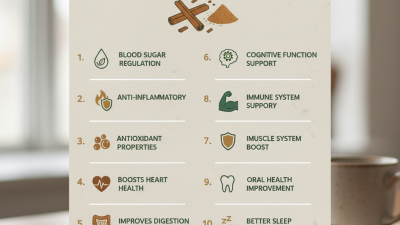
Cinnamon polyphenols, derived from the bark of cinnamon trees, offer numerous health benefits. These compounds may help combat inflammation and oxidative stress. Many studies suggest that they contribute to improved metabolic health and better blood sugar control. This makes cinnamon polyphenols an attractive ingredient in health supplements and functional foods.
Cinnamon has a rich history in traditional medicine. Its usage spans centuries, with references in ancient texts. Some individuals find comfort in familiar flavors. However, sourcing high-quality cinnamon polyphenols can be challenging. Different extraction methods and quality variations exist. It's essential to test purity and potency before making any commitments.
Understanding the various applications of cinnamon polyphenols is crucial. They can enhance the flavor of food products while providing health benefits. Additionally, they're gaining attention in the cosmetic industry for their antioxidant properties. The market potential is significant, but businesses must focus on quality and transparency. Balancing quality with cost remains a constant challenge. An informed approach is vital for success.
Identifying High-Quality Cinnamon Sources: Key Criteria and Standards
When sourcing high-quality cinnamon polyphenol, it's essential to identify reputable suppliers. Start by examining their cultivation practices. Ethical sourcing methods can affect quality directly. Look for suppliers who harvest cinnamon from trees grown organically. This eco-conscious approach often produces higher polyphenol content.
Assessing the extraction method is crucial. Ethanol extraction is generally preferred for its efficiency in preserving beneficial compounds. The method affects the final product's potency. Cold-pressed or water-extracted cinnamon may not yield the same concentration of polyphenols. Consistency in these practices can ensure a reliable supply of valuable Tea Polyphenol.
Certification is another critical factor. A trustworthy supplier will have documentation reflecting their compliance with industry standards. Certifications can indicate quality assurance, but not all certifications guarantee excellence. It's worth scrutinizing the details. Aim to partner with sources that emphasize transparency in their operations while also being open to feedback and continuous improvement. Quality often reflects a supplier's commitment to their product.
Evaluating Extraction Methods for Maximizing Polyphenol Yield
When sourcing high-quality cinnamon polyphenol, evaluating extraction methods is crucial. Various techniques exist, each with its strengths and weaknesses. For instance, solvent extraction is commonly used. This method can yield a high concentration of polyphenols, but solvents might leave residues. Does this compromise safety? It's essential to analyze the potential risks involved.
Another method is steam distillation. This technique preserves many beneficial compounds. Unfortunately, it may not extract as many polyphenols as solvents do. The choice ultimately depends on your business's priorities. Are you prioritizing safety over yield? If so, steam distillation may be worth considering.
Moreover, enzyme-assisted extraction is gaining popularity. It enhances polyphenol yield while being environmentally friendly. However, it requires specific conditions and expertise. Many businesses hesitate to invest in such methods due to the initial cost. Evaluating various approaches can help make informed decisions. It’s critical to strike a balance between yield and quality. The ideal extraction could enhance your product's profile, just like Green Tea Extract Polyphenol has done in health markets. Strive for continuous improvement and testing. Are your methods producing the desired results? This reflection can lead to better outcomes in the long run.
Sustainable Sourcing: Ethical Practices in Cinnamon Procurement
Sustainable sourcing is crucial in cinnamon procurement. Many businesses overlook the impact of their sourcing practices. Ethical practices ensure fair treatment of farmers and help conserve ecosystems. According to a report by the International Cinnamon Association, sustainable harvesting techniques increase yield by up to 20%. This statistic highlights the benefits of responsible practices.
The ethical procurement of cinnamon involves various factors. Farmers need fair wages and support for their communities. Ensuring traceability in the supply chain is essential. The Global Sustainability Institute states that 80% of consumers prefer products sourced sustainably. This demand creates a market incentive for ethical practices. However, challenges persist in verifying sourcing claims. Not all suppliers adhere to sustainable policies, leading to potential abuses.
Investing in sustainable sourcing benefits all parties involved. It fosters long-term relationships with suppliers. Consumers are more willing to engage with brands that prioritize ethics. Nevertheless, businesses must do their homework. Conducting regular audits and assessments is vital. Sustainability is a journey, not a destination. The road to ethical cinnamon sourcing requires ongoing commitment and reflection.
Market Trends: Demand for Cinnamon Polyphenols in Health Supplements
The demand for cinnamon polyphenols in health supplements is growing rapidly. This trend reflects a shift towards natural ingredients with proven health benefits. Consumers are increasinGly aware of antioxidants' importance, and cinnamon polyphenols fit this need. Their anti-inflammatory properties make them an attractive option for supplement manufacturers.
Market research indicates that more companies are sourcing high-quality cinnamon polyphenols. However, not all suppliers meet quality standards. It’s crucial for businesses to vet sources thoroughly. The extraction method, the geographic origin of the cinnamon, and purity levels should be considered.
Quality assurance should not be overlooked. Testing for contaminants is vital to ensure safety and efficacy. Potential fluctuations in supply and quality can pose challenges. Businesses must remain vigilant and adaptable. The market is competitive, but high-quality inputs lead to better products and customer trust.
Regulatory Considerations for Importing Cinnamon Products Globally
When importing cinnamon products globally, regulatory considerations are crucial. Different countries have their own regulations regarding food safety. Understanding these laws is vital for successful importation. You may need certifications for your products. Documentation, including import permits, is essential. Non-compliance can lead to delays or rejection.
Tips: Always verify import regulations specific to your target market. Research government websites for guidance. Consider seeking advice from import specialists. They can provide valuable insights into compliance and documentation requirements.
Quality standards differ globally. Ensure your cinnamon polyphenol meets these standards. Testing may be required to prove product quality. High-quality cinnamon should have a well-defined polyphenol content. This demonstrates its beneficial properties. Comparing this with Apple Polyphenol Powder can also provide insights into its health benefits. Make sure to factor in labeling requirements, as they may vary by region.
How to Source High Quality Cinnamon Polyphenol for Your Business? - Regulatory Considerations for Importing Cinnamon Products Globally
| Dimension | Details |
| Cinnamon Source | Sri Lanka, Indonesia |
| Polyphenol Content (% w/w) |
5% - 15% |
| Quality Specification | High purity, organic certified |
| Regulatory Standards | FDA, EU Novel Food Regulation |
| Import Tariff Rate | 0% - 5% |
| Testing Requirements | Microbial, Heavy metals |
| Packaging Considerations | Vacuum sealed, light-protective |
| Shelf Life | 24 months under cool, dry conditions |
Cost Analysis: Budgeting for Quality Cinnamon Polyphenol Sourcing
When budgeting for high-quality cinnamon polyphenol sourcing, it’s crucial to assess various cost factors. Quality ingredients usually come at a higher price. This is especially true for cinnamon polyphenol. There are multiple suppliers with differing prices. Comparing these can reveal surprising differences.
Expect to allocate funds for more than just the product itself. Shipping costs, import duties, and handling charges quickly add up. Additionally, consider the need for third-party testing to ensure the product's quality and safety. While it may seem like an extra expense, it safeguards your reputation and product integrity. The investment in testing can pay off in the long run.
It's also wise to explore the synergies between cinnamon polyphenols and other compounds. Apple Polyphenol, for instance, can enhance the overall antioxidant profile of your product. Yet, sourcing multiple ingredients can complicate budgeting. Balancing quality and cost becomes a delicate task. Be prepared for trial and error in finding the right mix. Approach each decision with careful consideration. The goal is to achieve not just affordability but also superior quality.
Cost Analysis: Budgeting for Quality Cinnamon Polyphenol Sourcing
FAQS
: Examine their cultivation practices and prioritize organic sources. Ethical methods can directly affect quality.
Ethanol extraction is generally best for preserving beneficial compounds. Other methods may yield lower potency.
Yes, but not all certifications guarantee quality. Scrutinize documentation and prioritize transparency in operations.
Solvent extraction can yield high polyphenol concentrations but may leave residues. Safety analysis is essential.
Steam distillation preserves compounds well but may extract fewer polyphenols than solvents. It prioritizes safety.
It's environmentally friendly and enhances yield. However, it requires specific conditions and may need expertise.
Understand global regulatory laws, including food safety and quality standards, to ensure compliance.
Testing demonstrates quality and ensures compliance with standards. High polyphenol content is crucial.
Research government websites and consult import specialists for guidance on compliance and documentation.
Regularly evaluate methods and results. Reflection on practices can lead to better quality and outcomes.
Conclusion
The article "How to Source High Quality Cinnamon Polyphenol for Your Business?" provides a comprehensive guide for businesses looking to incorporate cinnamon polyphenols into their products. It begins by exploring the numerous health benefits and diverse applications of cinnamon polyphenols, highlighting their significance in the health supplement market. The article emphasizes the importance of identifying high-quality cinnamon sources, outlining key criteria and standards necessary for selection.
Furthermore, the discussion on extraction methods offers insights into maximizing polyphenol yield, while also addressing sustainable sourcing practices to ensure ethical procurement. Additionally, the article examines market trends that showcase the growing demand for cinnamon polyphenols and provides regulatory considerations for importing cinnamon products globally. It concludes with a cost analysis to assist businesses in budgeting effectively for high-quality cinnamon polyphenol sourcing, thus enabling informed decision-making in the competitive health supplement industry.