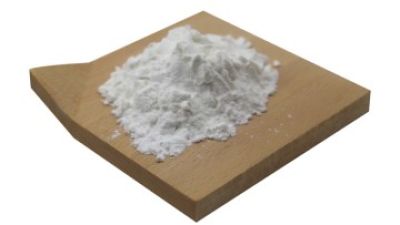
Hey, so let me tell you about Sodium Caseinate. It's this ingredient derived from milk, made by combining the main protein in milk, called casein, with some sodium. You’ll usually find it as a fine, pale powder. In foods, it kind of helps things blend together, keeps moisture in, or gives that smooth, creamy texture we often want. For example, a tiny bit might prevent your coffee creamer from separating or make processed foods feel a bit more even when you bite into them. The exact role it plays really depends on the recipe — it’s useful, but definitely not some magic fix.
Food producers use Sodium Caseinate in all sorts of stuff — like creamers, sauces, baked goodies, processed cheese, and even some high-protein snack foods. It can also bump up the protein content, though how much really varies from product to product. Since it's made from milk, if you have a milk allergy, you’ll want to steer clear unless your doctor says otherwise. And hey, don’t forget to read those labels! Sodium Caseinate isn’t the same as dairy-free alternatives like sodium caseinate-free products, and just because you see it listed doesn’t mean the nutrition info’s complete. Sometimes, an ingredient might improve the texture but doesn’t add that much protein in a single serving. This guide covers how Sodium Caseinate is made, why food companies use it, and what you should look out for on food labels. It all seems pretty straightforward at first glance, but the details are worth a closer look.

What Is Sodium Caseinate?
Sodium caseinate is a milk-derived ingredient made by neutralizing casein, the main protein in milk, with a sodium compound. It usually appears as a fine, pale powder. In the 2013 report Milk and Dairy Products in Human Nutrition, the FAO estimates that casein makes up about 80% of cow’s milk protein. USDA FoodData Central lists whole milk at roughly 3.15 grams of protein per 100 grams; applying the FAO estimate suggests about 2.5 grams are casein. That is an estimate, not a measurement of sodium caseinate itself.
Its appeal is practical. The protein disperses in water and helps oil and water stay mixed, which is useful in processed foods such as creamers, sauces, and some baked goods. It can also improve body and texture. A spoonful stirred into a liquid may take effort to dissolve evenly. Formulations matter. Sodium caseinate contains milk protein, so it is unsuitable for people with milk-protein allergies; its sodium contribution should also be checked against product specifications and nutrition data. It is not the same as lactose, but people with dietary concerns should not assume every product containing it is suitable.
How Is Sodium Caseinate Made?
Sodium caseinate begins as casein, the main protein in milk. Manufacturers usually start with skim milk, then lower its pH with food-grade acid. The casein separates into soft curds, which are washed to remove much of the whey, lactose, and minerals. The curds are then mixed with a sodium alkali, commonly sodium hydroxide, until the protein disperses in water. This neutralization step creates sodium caseinate. The mixture is concentrated and spray-dried into a fine powder. Not quite simple: pH, temperature, and mixing affect solubility and texture.
The FAO/WHO Codex Standard for Edible Casein Products, CXS 290-1995, sets a minimum milk-protein level of 88% on a dry-matter basis for caseinates. That specification helps explain why careful separation and drying matter. In production, operators monitor the mixture as it changes from damp curds to a smooth, pourable liquid, then to powder. Small process shifts can alter how readily the finished ingredient dissolves or thickens. Sodium caseinate is used in foods where proteins need to disperse, bind, or stabilize mixtures, including creamers and processed foods. Still, a specification does not guarantee identical performance in every recipe; testing the powder in the intended food remains important.
What Is Sodium Caseinate and What Is It Used For?
How Is Sodium Caseinate Made?
Sodium caseinate is a milk protein ingredient made from casein. It is commonly used to help emulsify and stabilize foods, improve texture, and add protein.
Typical production pH: Milk is mildly acidic, casein is separated by acidifying it to about pH 4.6, then the curd is washed and neutralized with a sodium base to make it soluble before drying. Values are illustrative; actual process targets vary. The pH scale is logarithmic.
What Are Its Main Properties?
Sodium caseinate is a milk-derived protein ingredient made by neutralizing casein with sodium. Its most useful feature is its behavior in water: unlike acid casein, it can disperse into a smooth solution. In a mixing tank, that means fewer stubborn clumps and a more even texture. The Codex Alimentarius Standard for Edible Casein Products (CXS 290-1995) specifies at least 90% milk protein on a dry-matter basis for caseinates. That is a useful benchmark, not a guarantee that every Sodium Caseinate Powder has identical performance.
Its proteins can help emulsify oil and water, bind water, and add body to foods such as creamers, processed meats, and bakery fillings. The U.S. Dairy Export Council’s Dairy Ingredients Handbook describes caseinates as functional dairy proteins used for these kinds of formulation tasks. Emulsification is practical: the powder can help keep fat droplets dispersed instead of letting an oily layer collect at the surface. But results depend on the recipe. Salt, acidity, heat, and mixing conditions can change solubility and texture.
Sodium caseinate is not a magic stabilizer. Too much may make a drink feel heavy or leave a coating on the tongue. Small bench tests matter. Its milk origin also makes allergen checks essential; it is unsuitable for people with milk allergy. A technical data sheet can clarify protein content, moisture, and recommended handling, though real-world trials still reveal details a specification sheet cannot.
How Is It Used in Food Products?
Sodium caseinate is a milk-derived protein ingredient used to help food hold together and feel smooth. In a sauce, it can help disperse fat droplets through the liquid, reducing separation during storage or heating. It also adds body without relying only on starch. The effect is often subtle. That matters.
Food makers use it in creamers, processed cheese, soups, baked goods, and protein drinks. In a coffee creamer, it can support a creamy appearance and texture when mixed into hot coffee. In a baked product, it may improve structure and contribute protein. The exact result depends on the recipe, processing, and amount used; too much can leave a dense or slightly chalky impression. Not always ideal.
Sodium caseinate is not the same as Sodium Alginate. The latter comes from seaweed and is commonly used to thicken or form gels, while caseinate is a milk protein with emulsifying and water-binding functions. This distinction can be easy to overlook on an ingredient list. Because sodium caseinate comes from milk, it is unsuitable for people avoiding milk proteins, including those with a milk allergy. Labels and formulation details deserve a careful look.
What Is Sodium Caseinate and What Is It Used For? — How Is It Used in Food Products?
| Food Product | How Sodium Caseinate Is Used | Typical Functional Benefit | Useful Consideration |
| Coffee creamers and beverage whiteners | Used as a milk-derived protein ingredient in some powdered or liquid creamers. | Helps disperse fat in water and contributes to a creamy appearance and texture. | It is derived from milk, so products containing it are not dairy-free. |
| Processed meat products | May be incorporated into products such as sausages, patties, or deli-style meats. | Can help bind water and fat and support a consistent texture. | Its role depends on the recipe and how the product is processed. |
| Baked goods | Can be included in breads, cakes, and other baked formulations. | May contribute protein, moisture retention, and dough or batter handling properties. | Performance varies with the other ingredients and baking conditions. |
| Whipped toppings and dessert products | May be used in whipped toppings, dessert mixes, and similar products. | Can help stabilize mixtures containing both water and fat and support a smooth texture. | It is a functional ingredient, not a substitute for every role played by cream or other dairy ingredients. |
| Nutrition and protein beverages | Used as a source of milk protein in some powdered or ready-to-drink formulations. | Contributes protein and can help provide body and a uniform mixture. | People with a milk-protein allergy should avoid it. |
| Confectionery and fillings | May be used in certain fillings, coatings, and other confectionery formulations. | Can assist with emulsification and contribute to texture. | The specific function depends on the formulation. |
| Ingredient overview | Sodium caseinate is a milk-protein ingredient made by neutralizing acid-precipitated casein with a sodium base. | Its functional properties can include emulsification, water binding, and foam formation. | It contains milk protein and should not be considered suitable for people avoiding milk proteins. |
What Are Its Uses Outside the Food Industry?
Sodium caseinate is a water-soluble milk protein used beyond food processing. In paper coatings, it can help pigments bind to the sheet and create a smoother surface. In adhesives, it can form a tacky film on wood, paper, or other porous materials. It has also appeared in textile finishes and some personal-care formulations as a binder or film-forming ingredient. That matters.
Supply and performance vary. The FAO’s Dairy Market Review 2023 reports global milk production of about 944 million tonnes in 2022, but that figure does not measure caseinate production or industrial use. It does show the scale of the dairy supply chain from which casein ingredients can be obtained. For manufacturers, the practical checks are solubility, moisture sensitivity, and compatibility with other ingredients. Casein-based films can lose performance in damp conditions, so lab testing is essential. Evidence for newer non-food applications is uneven, and claims should be checked against product-specific technical data.
Tips: Test a small batch on the actual paper, fabric, or surface. Record drying time and performance after humidity exposure. Sodium L-Aspartate is a different ingredient, not another name for sodium caseinate.
Is Sodium Caseinate Safe for Everyone?
Sodium caseinate is a milk protein used to add creaminess, bind ingredients, or help foods mix smoothly. It may appear in creamers, baked goods, processed snacks, and powdered mixes. Its name can sound unfamiliar, but the key safety question is whether milk proteins are suitable for you. They are not safe for everyone.
People with a milk allergy should avoid sodium caseinate, even when a product is labeled “non-dairy.” The ingredient still comes from milk and may trigger an allergic reaction. Check the allergen statement and ingredient list, and ask the manufacturer or a qualified clinician if the wording is unclear. With a severe allergy, don’t rely on guesswork.
People with lactose intolerance may tolerate some products containing caseinate, since it is a protein rather than lactose, but the whole food’s ingredients still matter. Sodium caseinate also contains sodium, so people following a sodium-restricted diet can compare labels and seek individual advice.
Sodium Alginate Powder is a different food ingredient, not another name for caseinate; similar-sounding additive names can be confusing. Read the label slowly. That small pause helps, though labels are not always easy to interpret.
Choosing a Sodium Alginate Powder Manufacturer for Consistent Quality and Reliable Supply
Choosing a sodium alginate powder manufacturer requires attention to both product consistency and supply reliability. This grade has a viscosity of 1000 and slowly dissolves in water to form a viscous colloidal solution; it is almost insoluble in 96% ethanol. When assessing a supplier, buyers can confirm that the specification, handling information, and batch documentation align with their intended application. The product is identified by CAS number 9005-38-3 and molecular formula C5H7O4COONa.
Reliable availability also matters for production planning. This sodium alginate is listed as in stock, with shipping typically arranged within 1–3 days. It is supplied in 25 kg barrels, with a minimum order quantity of 25 kg, making it suitable for business purchasing rather than individual customers. Available certifications include HACCP, HALAL, KOSHER, ISO 9001, ISO 22000, and FDA. Confirming current stock, delivery timing, packaging, and certification documents with the manufacturer can help buyers plan orders and maintain a dependable supply.
FAQS
It is a milk-derived protein ingredient made by treating casein with a sodium compound. It usually appears as a fine, pale powder.
Casein, the main protein in milk, is neutralized with a sodium compound. It is not the same ingredient as lactose.
It helps oil and water stay mixed and can add creaminess or body. It may be used in creamers, sauces, baked goods, and powdered mixes.
No. It comes from milk and may trigger an allergic reaction. Check the ingredient list and allergen statement carefully.
Some people with lactose intolerance may tolerate it because it is a protein, not lactose. Still, check the whole product’s ingredients.
Yes. The amount can vary by product, so compare nutrition details with your dietary needs. Labels can be confusing.
A spoonful may take effort to dissolve evenly. The result depends on the liquid and the product’s formulation.
Casein makes up about 80% of cow’s milk protein, according to an FAO estimate. That does not measure sodium caseinate itself.
Conclusion
Sodium Caseinate is a milk-derived protein ingredient made by separating casein from milk and treating it with a sodium compound so it can dissolve more readily in water. Its ability to bind water, form smooth textures, stabilize mixtures of oil and water, and contribute protein makes it useful in a range of food products. It may be added to items such as creamers, processed foods, baked goods, and nutrition products to improve consistency and stability.
Outside food production, Sodium Caseinate can serve as a binding or film-forming ingredient in certain industrial and personal-care applications. It is generally suitable for many people when used as intended, but it is not appropriate for those with a milk-protein allergy. People who need to limit sodium may also wish to consider how it fits into their overall diet. While it is derived from milk, it should not automatically be assumed to be lactose-free or suitable for everyone with dietary restrictions.