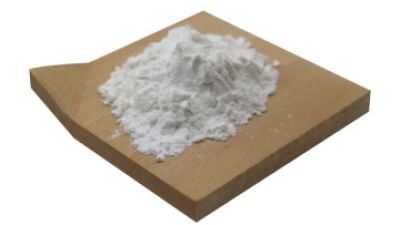
Hey, have you ever heard of Sodium Alginate? It's a pretty interesting compound that comes from brown seaweed, and it's pretty versatile too. These days, it’s catching attention across a bunch of industries—think food, pharmaceuticals, and cosmetics. By the way, a recent report from Grand View Research predicts that the global market for sodium alginate might hit around $700 million by 2025. That’s mostly because people are more into natural ingredients and plant-based stuff than ever before.
In the food world, sodium alginate is often used as a thickener or gelling agent. Big companies like Cargill and DuPont actually use it to give products better texture and consistency. But it’s not all smooth sailing—there are some hurdles, like not every type of sodium alginate works for every purpose. Plus, making sure the quality stays high is super important so that everything's safe and consistent.
On the pharma side, Sodium Alginate is pretty awesome because it’s biodegradable and works well for delivering medicines. There’s definitely a trend toward using more sustainable materials in drug development too. But, here’s the thing—depending too much on a single source for raw materials can cause supply issues down the line. So, it’s crucial for industries to find ways to handle these challenges while still taking advantage of what Sodium Alginate has to offer.

What Is Sodium Alginate? A Comprehensive Definition
Sodium alginate is a natural polysaccharide derived from brown seaweed. It has gained prominence in various industries due to its unique gelling and thickening properties. In the food industry, sodium alginate acts as a stabilizer in products like ice cream and salad dressings. A report by the Food Association indicates that the usage of sodium alginate in food products has grown by 25% over the past five years, highlighting its increasing demand.
In pharmaceuticals, sodium alginate is often used in wound dressings. Its ability to create a gel-like barrier enhances wound healing. According to a study published in the Journal of Pharmaceutical Sciences, sodium alginate promotes better moisture retention in wounds, making it vital for effective treatment. However, the sourcing of raw materials can be inconsistent, affecting production quality.
Sodium alginate is also used in cosmetic formulations. It provides emulsifying properties, ensuring that ingredients remain well blended. Industry reports suggest that the cosmetic sector’s use of sodium alginate will rise significantly, driven by trends in natural products. Despite its benefits, both manufacturers and consumers must navigate the issues related to sustainability and sourcing.
Chemical Properties and Structure of Sodium Alginate
Sodium alginate is a natural polysaccharide derived from brown seaweed. Its unique structure contributes to its versatility in various industries. Composed primarily of mannuronic and guluronic acid, sodium alginate forms a gel-like consistency when hydrated. This property is crucial in food production, pharmaceuticals, and textiles. Its ability to thicken and stabilize solutions makes it a valuable ingredient in many formulations.
In the food industry, Sodium Alginate Powder is often used as a thickening agent. For example, it can create gelled products like jellies and sauces. These gels have appealing textures and improved mouthfeel. In pharmaceuticals, sodium alginate is used in controlled drug-release systems. This ensures consistent delivery of medication in the body.
Despite its advantages, the production of sodium alginate can vary in quality. The source of the seaweed and extraction process influence its properties. Industries must consider these factors when selecting sodium alginate powder for specific applications. There are also challenges in ensuring consistency between batches. As a result, research continues to enhance the reliability of sodium alginate products across various sectors.
Production Process of Sodium Alginate in the Food Industry
Sodium alginate is a naturally occurring polysaccharide derived from the cell walls of brown seaweed. In the food industry, it is widely used as a thickening agent, stabilizer, and emulsifier. The production process begins with the extraction of alginate from seaweed. The seaweed is harvested, cleaned, and dried before being treated with sodium carbonate. This treatment helps to release the alginic acid, which is then converted to sodium alginate through neutralization.
Once extracted, sodium alginate can undergo purification to eliminate impurities. It is then dried and ground into a fine powder. The degree of purity and viscosity can vary based on the source of algae and production methods. It’s crucial to control the environmental conditions during the extraction process. Variations in temperature and treatment duration can impact the quality of the final product.
In food applications, sodium alginate forms gels, which can encapsulate flavors or create appealing textures. Its versatility is evident in products like sauces, dressings, and dairy items. However, the consistency and gelling properties may not always meet expectations. Careful formulation and testing are necessary to achieve desired results. This highlights the importance of a reliable production process that balances efficiency and quality.
What Is Sodium Alginate and How Is It Used in Industries?
| Application Area | Usage Description | Benefits |
| Food Industry | Used as a thickening agent, stabilizer, and emulsifier in various food products. | Enhances texture, improves mouthfeel, and increases shelf life of food products. |
| Pharmaceuticals | Utilized for drug formulation and as a binding agent in tablets. | Provides controlled release of active ingredients and improves drug stability. |
| Cosmetics | Incorporated in lotions and creams as a thickener and stabilizer. | Enhances texture and consistency of cosmetic products. |
| Textile Industry | Used in the dyeing process to achieve a uniform distribution of dyes. | Improves dye uptake and reduces water consumption in the dyeing process. |
| Biotechnology | Employed for encapsulating cells or enzymes in bioprocesses. | Facilitates controlled release and protects sensitive biological materials. |
Applications of Sodium Alginate in Pharmaceuticals and Medicine
Sodium alginate is a natural polysaccharide derived from brown seaweed. It has gained attention for its versatile applications in pharmaceuticals and medicine. One of its primary uses is as a thickening agent in various formulations. The gel-like consistency it provides is crucial for creating stable suspensions in liquid medicines.
Pharmaceutical companies often utilize sodium alginate in drug delivery systems. It acts as a controlled release agent, ensuring that active ingredients are released gradually. This allows for sustained therapeutic effects, which is essential for patient compliance. Alginate Oligosaccharide is another form that shows potential in enhancing drug absorption. Research indicates that it may improve the bioavailability of certain drugs, making treatments more effective.
While there are benefits, challenges also exist. Sodium alginate can vary in quality depending on its source, potentially leading to inconsistent results in formulations. Thus, careful selection and testing are vital. The interaction between alginate and other compounds can also affect the overall effectiveness of a medication. Ongoing studies aim to address these issues and optimize the use of sodium alginate in drug development.
Role of Sodium Alginate in the Cosmetic Industry and Personal Care Products
Sodium alginate is a natural polysaccharide derived from brown seaweed. Its unique gel-forming properties make it valuable in various industries, especially cosmetics and personal care products. According to a report by Grand View Research, the global market for cosmetics containing natural ingredients, including sodium alginate, is projected to reach $48 billion by 2025. This highlights the growing demand for safer, eco-friendly alternatives in cosmetic formulations.
In the cosmetic industry, sodium alginate serves multiple functions. It acts as a thickening agent, stabilizer, and emulsifier. Its film-forming ability enhances the texture of creams and lotions. Moreover, sodium alginate is recognized for its skin-soothing and hydrating properties. The Journal of Cosmetic Dermatology published findings indicating that products containing sodium alginate can improve skin moisture levels significantly.
However, not all formulations are effective. The concentration of sodium alginate is critical. Using inadequate amounts may lead to undesirable textures or ineffective hydration. Furthermore, as consumer awareness increases, manufacturers need to ensure transparency in ingredient sourcing and formulation practices. Meeting these expectations can enhance brand credibility in a competitive market.
The Role of Sodium Alginate in the Cosmetic Industry
This chart illustrates the various applications of sodium alginate in personal care products across different categories.
Sodium Alginate in Textile and Paper Industries: Uses and Benefits
Sodium alginate is gaining traction in the textile and paper industries due to its unique properties. It acts as a thickener and stabilizer, enhancing fabric quality and texture. In textile processing, it helps achieve vibrant color fastness and smooth finishes. Additionally, it reduces water consumption during dyeing, aligning with sustainability goals.
In the paper industry, sodium alginate serves as a sizing agent. This creates a barrier that improves the paper's strength and water resistance. Its biodegradable nature makes it a favored option, helping to reduce environmental impact. However, some challenges remain. The sourcing of sodium alginate can fluctuate, affecting consistency.
Finding the right balance between cost and quality is a continuous task. While sodium alginate offers many advantages, it may not be suitable for all applications. Industries must evaluate its performance against alternatives like Sodium Caseinate, ensuring optimal results. This reflective approach drives better decision-making and innovation in material usage.
Market Trends and Future Prospects of Sodium Alginate in Global Industries
The global market for sodium alginate is witnessing remarkable growth. This natural polysaccharide, derived from brown seaweed, is a versatile ingredient. It is widely used in food, pharmaceuticals, and cosmeticsdue to its thickening and gelling properties. Industries are increasinGly leaning towards sustainable alternatives, making sodium alginate more appealing.
Recent trends indicate a shift towards eco-friendly products. More manufacturers are exploring its use as a stabilizer in beverages and as a thickening agent in dairy. Sodium alginate's role in biomedicine is gaining attention. Researchers are testing its potential in drug delivery and tissue engineering. However, the industry faces challenges, including sourcing raw materials sustainably.
Future prospects for sodium alginate look promising, yet uncertain. The ongoing exploration of its versatility can lead to innovative uses. Nevertheless, legal regulations may influence market dynamics. Companies must ensure compliance while addressing consumer demands for natural ingredients. Balancing innovation and sustainability will be vital for growth in this sector.
Title: Comprehensive Guide to Choosing the Right Sodium Alginate Powder Manufacturer for Your Business Needs
When selecting a manufacturer for sodium alginate powder, it's essential to consider various factors that can significantly impact your business needs. Sodium alginate, with a viscosity of 1000, is a vital ingredient in several industries, including food, pharmaceuticals, and cosmetics. Its ability to slowly dissolve in water to form a viscous colloidal solution makes it particularly valuable for applications requiring thickening or stabilizing agents. Data from industry reports highlight that sodium alginate is almost insoluble in 96% ethanol, ensuring its effectiveness in formulations where alcohol presence is negligible.
Moreover, it is crucial to ensure that your selected supplier maintains compliance with various quality standards. Certifications such as HACCP, HALAL, KOSHER, ISO9001, ISO22000, and FDA are indicators of a reliable manufacturer. These certifications not only speak to the quality of the product but also ensure safety and trustworthiness in production practices. A manufacturer that can ship within 1-3 days and maintains a consistent inventory is preferable, particularly for businesses that require just-in-time deliveries. Additionally, a minimum order quantity of 25KG aligns well with commercial needs, ensuring sufficient supply for operational efficiency.
Choosing the right sodium alginate manufacturer requires careful evaluation of these practical aspects, ensuring that your business can deliver high-quality products while meeting consumer demands effectively.
FAQS
: Sodium alginate is a natural substance from brown seaweed. It's used for thickening and stabilizing food products.
It's widely used in food, pharmaceuticals, and cosmetics. Its versatility makes it useful in various applications.
It helps create a gel-like barrier that retains moisture, aiding in effective wound treatment.
It improves fabric quality and reduces water use in dyeing. This supports eco-friendly practices.
The availability of raw materials can be inconsistent, which affects quality and production.
There's a growing interest in eco-friendly products and its potential in biomedicine for drug delivery.
Industries need to assess its performance compared to alternatives based on specific needs.
The demand for sodium alginate may rise as consumers prefer natural and sustainable ingredients.
Continuous evaluation and reflection on performance against alternatives is necessary for optimal results.
Companies must comply with regulations, which can influence market dynamics and consumer demands.
Conclusion
Sodium Alginate is a versatile natural polysaccharide derived from brown seaweed, known for its thickening, gelling, and stabilizing properties. Its unique chemical structure allows it to form gels in the presence of divalent cations, making it an essential ingredient in various industries. The production process in the food sector often involves extraction through alkaline treatment, which enhances its usability as a food additive and thickening agent.
In addition to food, Sodium Alginate finds applications in pharmaceuticals, where it serves as a binding agent in drug formulations, and in the cosmetic industry for providing texture in personal care products. Its role extends to textile and paper industries, where it is utilized for printing and finishing processes. As market trends indicate a growing demand for natural ingredients, the future prospects for Sodium Alginate remain strong, with continued innovation in its applications across diverse sectors.