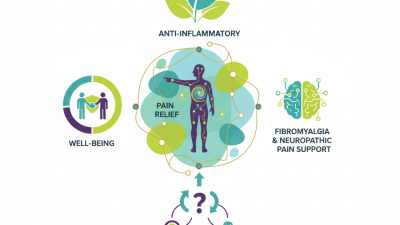
You might’ve heard about Palmitoylethanolamide Powder before—it's gotten some buzz lately for its potential health perks. Basically, this natural compound, which comes from fatty acids, seems to help with inflammation and pain. Lots of folks are exploring it as a way to support their well-being, especially if they're looking for alternatives beyond regular meds. It’s pretty interesting, right?
Of course, like with anything, it’s not one-size-fits-all. People’s bodies react differently, so what helps one person might not do much for someone else. It’s super important to really understand your own needs and chat with a healthcare pro before adding this to your routine. They can give you the lowdown and help you figure out if it’s a good fit.
What’s also cool is how versatile Palmitoylethanolamide Powder is, but don’t think of it as some miracle cure. Some people might experience minor side effects, and since research is still ongoing, it’s smart to stay cautious. Talking to experts can make sure you're using it safely and getting the most benefits from it. All in all, it’s worth considering, but be sure to approach it with some informed guidance.
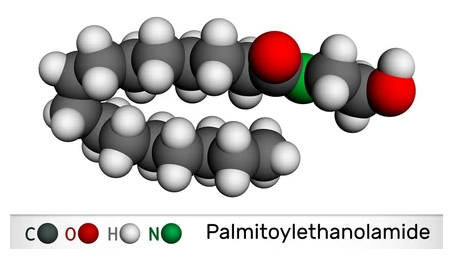
Understanding Palmitoylethanolamide (PEA): A Comprehensive Overview
Palmitoylethanolamide (PEA) is gaining attention for its potential health benefits. This naturally occurring fatty acid amide is known for its anti-inflammatory properties. Recent studies show that PEA can support chronic pain maNAGement and neuroprotection. Research indicates it may reduce inflammatory pain by acting on mast cells and microglial cells. One study highlighted that PEA usage showed a significant reduction in chronic pain symptoms in more than 70% of participants.
Experts note that PEA's effectiveness is backed by a growing body of research. A clinical trial revealed that 66% of participants experienced a noticeable decrease in pain. This compound has a favorable safety profile, with minimal side effects reported. For those looking to enhance their health regimen, integrating PEA alongside other supplements, like L-Carnitine Powder, may offer synergistic benefits.
When considering PEA, it’s vital to consult healthcare professionals. Individual responses to PEA can vary greatly. As research continues to evolve, it's crucial to remain informed about new findings. Also, monitor your body’s reactions closely when adding new supplements. Regularly evaluate your approach to health and supplement intake, ensuring it aligns with your wellness goals.
The Mechanisms of Action of Palmitoylethanolamide in the Human Body
Palmitoylethanolamide (PEA) is a naturally occurring compound in the body. It plays a key role in maintaining cellular health. When the body experiences stress or inflammation, PEA levels increase. This action supports the nervous system and reduces pain. Its mechanisms of action involve interacting with cannabinoid receptors and modulating immune responses. This dual action is particularly effective in inflammation management.
Tips: Consider incorporating PEA into your daily routine if you're looking for natural support for chronic pain. Combining it with other supplements, like Pure L-Carnitine Powder, may enhance its benefits. Always consult with a healthcare professional before starting new supplements.
PEA also appears to have neuroprotective effects. Studies suggest it can help in conditions related to neuroinflammation. The exact pathways are still being explored. Yet, the emerging evidence indicates promise for various health conditions. However, individual responses may vary significantly, warranting more extensive research. Users should track their progress to find the right balance for their needs.
Health Benefits of Palmitoylethanolamide: Evidence from Scientific Studies
Palmitoylethanolamide (PEA) has garnered attention for its potential health benefits, backed by various scientific studies. Research shows that PEA may help reduce inflammation and provide pain relief. These effects stem from its ability to modulate pain pathways in the body. For those seeking natural alternatives, PEA offers a promising option.
Several clinical studies highlight its efficacy in managing chronic pain conditions. Participants reported reduced discomfort and improved quality of life. This aspect of PEA could be beneficial for people exploring holistic approaches to wellness. Incorporating complementary supplements, like Algae Powder, may enhance overall health.
Interest in PEA continues to grow, yet more research is necessary to fully understand its mechanisms. While many users share positive experiences, individual responses may vary. The importance of discussing any new supplement with a healthcare provider cannot be overstated. Awareness of such variations can foster a more informed health journey.
Palmitoylethanolamide and Its Role in Pain Management: Current Insights
Palmitoylethanolamide (PEA) is gaining attention in pain management discussions. This naturally occurring lipid has shown promise in addressing various types of pain, including chronic and neuropathic pain. Researchers are exploring its mechanisms, revealing how PEA can modulate inflammation and protect nerve cells. These properties make it worth considering for those seeking alternative pain relief options.
Clinical studies indicate that PEA may reduce pain intensity and improve quality of life. Patients using PEA often report lower levels of discomfort. However, it's important to note that responses can vary. Some individuals may experience minimal effects, while others find significant relief. This variability highlights the need for more personalized approaches in pain treatment.
Despite its potential benefits, PEA is not a one-size-fits-all solution. Some existing research lacks extensive clinical trials. Further studies could help better understand the optimal dosages and long-term effects. As we learn more, it’s crucial for patients and healthcare providers to approach PEA with cautious optimism.
Comparative Analysis: PEA vs. Traditional Pain Relief Options
Palmitoylethanolamide (PEA) is gaining attention as a natural pain relief option. Unlike traditional pain medications, PEA operates by enhancing the body’s natural response to pain. It interacts with endocannabinoid systems, providing a unique mechanism of action. Many users report fewer side effects compared to conventional drugs, making PEA a compelling alternative.
When comparing PEA to common pain relief methods, a notable point arises. Traditional medications, such as NSAIDs, can cause gastric issues and dependency. In contrast, PEA is generally well-tolerated and presents a low risk of addiction. This aspect is crucial for those seeking long-term pain management solutions without adverse effects.
Tips: Consider starting with a low dose of PEA to assess its effects. Monitor your body’s response closely. If you are transitioning from traditional medications, consult a healthcare professional for guidance. Understanding your pain triggers can also enhance the effectiveness of PEA. Reflect on your overall health journey and how different approaches may better suit your needs.
Safety Profile and Recommended Dosages of Palmitoylethanolamide Powder
Palmitoylethanolamide (PEA) is gaining popularity due to its potential health benefits. Understanding its safety profile is crucial before consumption. Research indicates that PEA is generally safe for most users when taken as directed. It is non-toxic and well-tolerated, which enhances its appeal. However, individual responses may vary.
Recommended dosages of PEA often range from 300 to 1,200 mg per day. Starting with a lower dose to observe effects is wise. Gradually increasing the dosage can help identify the optimal level for your body. Additionally, consulting a healthcare professional is essential, especially if you have underlying conditions.
Tips: Always keep track of how you feel. Document any changes or side effects. This information can help your healthcare provider make informed recommendations. Remember, while PEA shows promise, continued research is needed. Balancing enthusiasm with caution is key.
Future Research Directions for Palmitoylethanolamide in Health and Wellness
Palmitoylethanolamide (PEA) has gained attention in health and wellness. Future research directions suggest a promising role for PEA in various health conditions. Scientists are exploring its anti-inflammatory properties further. Studies show PEA may improve chronic pain management, neuroprotection, and even mood regulation. Understanding its mechanisms can lead to better therapeutic applications.
Tips: Exploring PEA might reveal new pathways for treatment. Consider consulting healthcare professionals before starting any new supplement. Your health journey can benefit from personalized advice.
Researchers are also interested in PEA's synergy with other compounds like Docosahexaenoic Acid Powder. Combining these substances could enhance their overall effects. Investigating combinations could unveil new opportunities for holistic wellness. However, more studies are necessary to establish effective dosages and long-term safety.
In conclusion, while the potential is exciting, we must approach with caution. The science behind PEA is still developing. More rigorous research will clarify its full benefits and optimal uses. Engaging with these findings thoughtfully can empower healthier choices.
Palmitoylethanolamide (PEA) Health Benefits Analysis
FAQS
PEA modulates pain pathways and interacts with the endocannabinoid system, enhancing the body’s natural pain response.
Research indicates that PEA is generally safe and well-tolerated when taken as directed, but responses may differ.
Dosages typically range from 300 to 1,200 mg per day. Start low and gradually increase to find what works best.
PEA offers a low-risk alternative to traditional medications that may cause gastric issues and dependency.
Yes, it's essential to discuss new supplements with a healthcare provider, especially if you have pre-existing conditions.
Track your body's responses, noting any changes or side effects to share with your healthcare provider.
Many users report fewer side effects compared to conventional medications, though individual responses can vary.
While studies show promise, understanding its mechanisms and long-term effects requires further investigation.
Consider your pain triggers and overall health goals to better assess how PEA may fit into your wellness approach.
Conclusion
Palmitoylethanolamide Powder (PEA) is gaining attention for its potential health benefits, supported by a growing body of scientific research. This compound acts on the human body's endocannabinoid system, modulating various physiological processes, including pain perception and inflammation. Studies have indicated that PEA may be effective in pain management, providing an alternative to traditional analgesics with fewer side effects.
The safety profile of Palmitoylethanolamide Powder shows promising results, with recommended dosages suggesting it can be safely incorporated into health and wellness practices. As research continues to unfold, further exploration of PEA’s mechanisms and benefits will be crucial in understanding its role in enhancing overall health and addressing chronic pain conditions effectively.