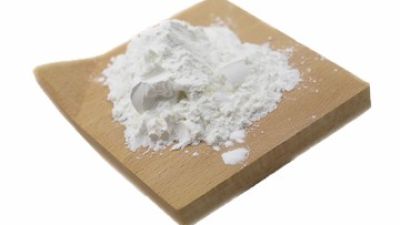
Buying magnesium Glycinate from overseas isn't just about comparing prices or counting capsules. You really need to dig into the details—like how much actual magnesium is in there, what kind of chelate it is, and check out testing records and packaging quality. And just because a label looks good doesn't mean the product's reliable. Trust me, looks can be deceiving.
Dr. Tod Cooperman, the guy who launched ConsumerLab.com, once said, “The quality of supplements can vary a lot from one product to another.” That’s a pretty good heads-up. Even if a buyer gets a certificate of analysis, they might not pay enough attention to how tests are done, when the samples were taken, or if the batch matches. It’s an easy mistake to make—so better be cautious.
This guide lays out seven simple tips for folks buying globally. Focus on the amount of elemental magnesium, not just the total weight of the magnesium glycinate powder. Make sure the supplier clearly states how much magnesium is per serving, and don’t hesitate to ask for independent test results—things like heavy metals, microbiological safety, identity verification, and assay reports. It’s also smart to check out where they manufacture, their quality systems, and how they trace their batches. And always look for clear batch numbers on the boxes.
Packaging is a big deal too. Moisture can mess up powder flow and stability, especially during long ocean shipments. Sealed inner liners and proper storage instructions can help avoid waste. Also, double-check allergen info, country-specific labeling rules, and any health claims before the product ships out.
Keep in mind, not every supplier can send all their proof right away. That’s often a red flag, but not always a deal-breaker. Smaller manufacturers might produce excellent products but lack comprehensive documentation. So, ask more questions, be wary of fancy marketing talk, and don’t assume the prettiest packaging means the best quality. Sometimes, paying a bit more upfront for good quality is worth it—especially when you consider the cost of rejects, customer complaints, or losing trust with your clients down the line.
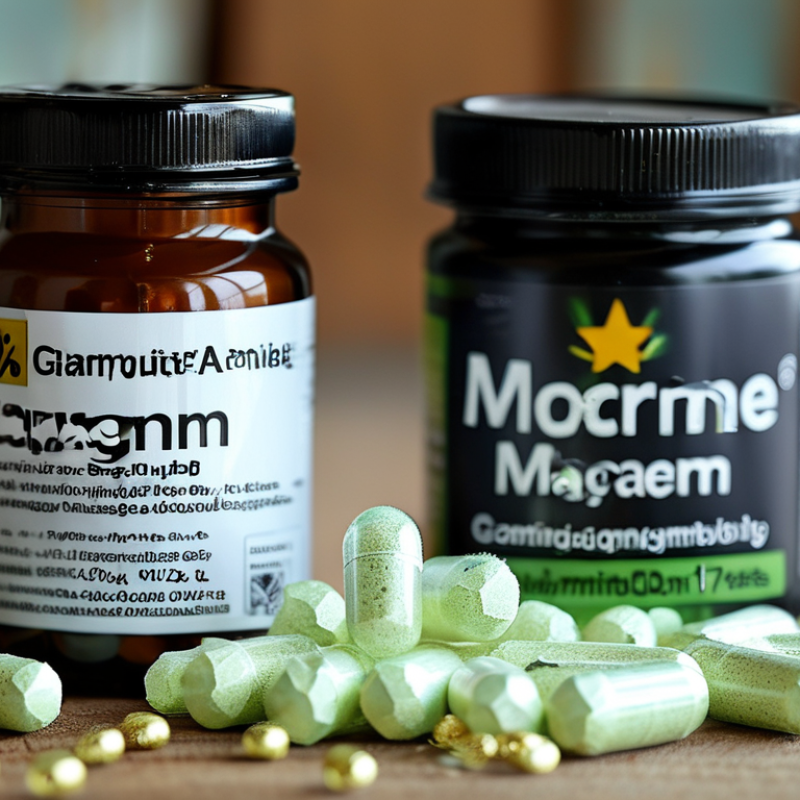
Magnesium glycinate is a chelated mineral compound. It pairs magnesium with glycine, an amino acid.
This structure is commonly chosen for dietary supplements because many users find it gentle on the stomach. However, individual tolerance still varies. “Gentle” is not guaranteed.
Common uses include supporting normal muscle function, nerve function, and energy metabolism.
Some adults also choose it for evening relaxation or sleep routines. Evidence for sleep benefits remains mixed, and results may depend on magnesium status, dosage, and personal health.
It should not be presented as a treatment or cure. People with kidney conditions, those taking medicines, or pregnant individuals should seek professional advice before use.
For global buyers, the label deserves careful attention.
Check the amount of elemental magnesium, not only the total compound weight. Request a current certificate of analysis, identity testing, heavy-metal results, and microbiological data from the supplier.
Verify serving instructions and storage conditions. Regulations differ between markets, so claims accepted in one country may be unsuitable elsewhere.
A common weakness is trusting a polished specification sheet without checking batch records. I would also examine powder flow, odor, color, and packaging after delivery, because real handling can reveal problems that documents miss.
Checking Magnesium Content and Product Strength
When buying magnesium glycinate for global distribution, check elemental magnesium first. The compound weight is not the same as the magnesium delivered per serving. A label may show 2,000 mg of Magnesium Glycinate Powder but provide only about 200 mg of elemental magnesium. The numbers can mislead. Look beyond the headline.
Request a batch-specific certificate of analysis from the supplier. It should identify the raw material, report elemental magnesium, and show assay results from a qualified laboratory. Confirm the testing method, lot number, production date, and moisture level. These details help verify whether the powder remains stable during storage and transport. In purchasing reviews, I have seen specifications that looked precise but lacked a clear serving basis.
Compare suppliers using the same measurement. Ask whether “strength” means elemental magnesium, total chelate, or percentage purity. A 20% elemental magnesium specification cannot be compared fairly with a 14% specification unless the serving size is adjusted. Magnesium Glycinate Powder should also have clear identity testing and contaminant screening appropriate to the destination market. Requirements differ across countries, so labels and technical files need local review. That gap matters. A lower price may reflect weaker testing, but it may also reflect simpler packaging or a different concentration. I would verify before assuming.
| No. | Buying Tip | What to Check | Practical Example | Why It Matters | Recommended Buyer Action |
|---|---|---|---|---|---|
| 1 | Verify elemental magnesium | Check whether the label states elemental magnesium or only the total weight of magnesium glycinate. | A serving may contain 1,000 mg magnesium bisglycinate but provide approximately 140 mg elemental magnesium. | The body uses elemental magnesium. Compound weight alone can make a product appear stronger than it is. | Request a specification showing elemental magnesium per capsule, serving, and daily dose. |
| 2 | Calculate the actual product strength | Compare elemental magnesium per capsule with the number of capsules in one serving. | If one capsule supplies 100 mg elemental magnesium and the serving is two capsules, the serving strength is 200 mg. | Different serving sizes can make two products with similar labels deliver very different doses. | Use this formula: elemental magnesium per capsule × capsules per serving = elemental magnesium per serving. |
| 3 | Distinguish pure glycinate from buffered material | Check whether the ingredient is magnesium bisglycinate only or a blend containing magnesium oxide or another magnesium salt. | A “buffered” powder can contain both magnesium bisglycinate and magnesium oxide, which should be declared separately where required. | The source affects the product profile, labeling transparency, and comparison with other glycinate products. | Ask for the full composition, ingredient percentages, and confirmation of whether any non-glycinate magnesium is present. |
| 4 | Review assay and batch testing | Request a certificate of analysis showing magnesium assay, identity, microbiological results, and heavy-metal testing. | An independent test may report elemental magnesium content as a percentage of the declared specification range. | A label claim does not replace verification of actual batch strength and purity. | Match the certificate of analysis to the lot number, production date, test method, and acceptance limits. |
| 5 | Check dosage against recognized intake benchmarks | Compare the proposed serving with adult magnesium requirements and local supplement regulations. | The adult recommended dietary allowance is approximately 310–320 mg per day for women and 400–420 mg per day for men, depending on age. | Total intake includes food, beverages, medicines, and supplements, and limits vary by jurisdiction. | Confirm the target market’s permitted daily level and clearly state elemental magnesium, not compound weight. |
| 6 | Compare strength per gram and per serving | Evaluate both elemental magnesium concentration and the amount of powder or capsule fill required to deliver it. | Pure magnesium bisglycinate theoretically contains about 14.1% magnesium by weight; 1,000 mg of compound therefore corresponds to about 141 mg magnesium before formulation losses or variation. | A higher compound weight does not necessarily mean a higher elemental dose. | Compare products using mg elemental magnesium per serving and servings per container. |
| 7 | Confirm label, stability, and export documentation | Review serving instructions, allergen statements, storage conditions, shelf life, packaging format, and required import documents. | A powder may require protection from moisture, while capsules may need packaging that preserves stability during transport. | Correct strength can be compromised by moisture, inaccurate labeling, or non-compliant documentation. | Obtain the technical data sheet, specification, certificate of analysis, stability information, and destination-market label review before purchase. |
When sourcing Wholesale Magnesium Glycinate , evaluate the raw material before discussing price. A clean white powder is not proof of quality. Ask for a current certificate of analysis for every production batch. It should show magnesium content, glycinate identity, moisture, microbial limits, and heavy metal results. Testing should come from a qualified laboratory with traceable methods. A certificate alone is not enough.
Check whether the supplier can explain the manufacturing route and chelation ratio clearly. Inconsistent bonding may affect solubility, taste, and elemental magnesium levels. Request a sealed sample from the same batch intended for shipment. Compare its appearance, odor, powder flow, and laboratory results. Review packaging details too. Moisture barriers matter during long sea transport. Small weaknesses can become expensive problems.
Global buyers should also inspect raw material traceability. Batch numbers, production dates, storage conditions, and retention samples support reliable quality control. Independent testing is valuable when documents seem unusually perfect. That happens. Do not ignore missing data, vague test methods, or unusually low prices. Supplier audits can reveal weak weighing practices or poor cleaning procedures. A practical mistake is trusting paperwork without checking the material itself. Quality decisions need evidence, not confidence alone.
Global buyers should treat Magnesium Glycinate Capsules as regulated supplements, not simple commodity items. Product quality begins with documents that match the actual shipment. Request a current Certificate of Analysis for every lot. Check the lot number, production date, assay result, and testing laboratory. A certificate without traceable details is only paper.
Testing reports should show magnesium content and ingredient identity. Review heavy metal, microbial, moisture, and contaminant results. Independent laboratories accredited to ISO/IEC 17025 offer stronger evidence. Still, accreditation alone does not guarantee a suitable test scope. Compare the report’s methods with your destination market’s requirements. Ask whether samples came from finished capsules or bulk powder. That detail changes the meaning of the results.
Regulatory compliance needs more than a familiar quality logo. Confirm manufacturing follows applicable GMP rules. Review allergen statements, capsule-material declarations, labeling language, and permitted health claims. Country requirements may differ sharply. A document accepted in one market may fail another review. Keep supplier specifications, batch records, complaint procedures, and recall contacts on file. In practice, mismatched dates are common. I have seen polished reports using an old company address or a different lot number. That should trigger a pause, not an assumption. Photos of sealed cartons, tamper-evident labels, and storage conditions can support the review, but they cannot replace laboratory evidence. Ask difficult questions early.
Evidence checklist for reviewing certificates, testing reports, and regulatory compliance
The chart shows the suggested number of evidence items to verify for each buying checkpoint. Buyers should request documents such as a product specification, certificate of analysis, independent laboratory results, GMP certification, batch traceability records, and regulatory statements. Relevant frameworks may include ISO/IEC 17025 for laboratory competence, 21 CFR Part 111 for dietary supplement current good manufacturing practice in the United States, EU food supplement requirements, and REACH obligations where applicable.
Global buyers should compare elemental magnesium, not just compound weight.
The NIH Office of Dietary Supplements lists adult magnesium needs at 310–420 mg daily, while the supplemental upper limit is 350 mg. Magnesium Glycinate Tablets may offer easier handling than loose powder, but tablet size, compression strength, and disintegration can vary. Ask for a certificate of analysis showing elemental magnesium per serving.
Packaging affects quality during long-distance transport.
Moisture-resistant HDPE bottles with induction seals can protect tablets from humidity, while blister packs provide stronger unit-level protection. Desiccants help, but they are not a complete solution. USP General Chapter classifies packaging by protection needs, and buyers should match the container to climate, not appearance. Tropical routes deserve special attention. A port warehouse can become hot and damp within hours.
Shelf life should come from real-time and accelerated stability studies aligned with ICH Q1A(R2), rather than a convenient printed number.
Request data for assay, impurities, tablet hardness, and dissolution at the proposed storage conditions. A 24-month claim may be reasonable, but only when evidence supports it. Store finished goods in a cool, dry area, away from sunlight and repeated temperature swings. The label should state storage limits clearly. Some assumptions fail. Overlooking secondary cartons, pallet airflow, or opened-container exposure can still reduce product quality before the stated expiry date.
When buying magnesium glycinate globally, supplier reliability deserves more than a polished website. Request recent certificates of analysis, quality-system certifications, and independent laboratory results. Check whether test methods match the product specification. A low price can hide weak controls.
Ask for production capacity in actual monthly volumes, not impressive annual estimates. Review equipment lists, shift schedules, warehouse conditions, and backup plans. During supplier assessments, I look for clear answers about raw-material shortages and maintenance delays. Can the supplier provide a consistent batch every month? Capacity claims need evidence. Samples from different production dates reveal more than one perfect sample.
Traceability should reach from incoming minerals to finished cartons. Request batch numbers, supplier records, manufacturing dates, test results, and shipping documents. A reliable partner should retrieve these records quickly. Test the process with a mock recall. It may expose gaps. Confirm packaging protects the powder from moisture during long transit. Also examine change-control procedures, complaint handling, and retention-sample policies. Video audits help, but they cannot replace site visits. Some documents may look complete while floor-level practices remain inconsistent. That uncomfortable possibility deserves attention. Ask who signs each record, where deviations are logged, and how corrective actions are verified. A practical buying decision balances capacity, traceability, communication, and evidence rather than promises.
A reliable purchase starts with the landed cost, not the quoted product price. Calculate the magnesium glycinate cost, packaging, inland transport, insurance, duties, VAT, customs fees, and port charges. Request a clear quotation with currency and validity dates. Exchange rates can change quickly. Small fees matter.
Shipping terms need careful review. Under each Incoterm, confirm who pays freight, insurance, export clearance, and destination charges. Ask for the named delivery point, not only “delivered.” Compare ocean, air, and multimodal options by cost and transit time. Include possible storage or demurrage charges. Delays happen. Your spreadsheet should show both expected and worst-case costs.
Import requirements vary by destination and product classification. Confirm the correct HS code with a qualified customs broker before ordering. Prepare the commercial invoice, packing list, certificate of analysis, safety data sheet, origin documents, and batch traceability records. Check labeling, dosage claims, language, allergen statements, and product registration rules. Request recent laboratory results, but do not treat one certificate as complete proof. Verify test methods and sampling details. A practical mistake is trusting a supplier’s estimate without checking local customs guidance. I still leave a contingency budget for inspection delays and document corrections. It may feel excessive. It is often cheaper than rushing a shipment through an unfamiliar port.
Magnesium Bisglycinate Powder (CAS 14783-68-7) is a chelated form of magnesium in which the mineral is bound to glycine. This formulation is widely selected for nutritional products because it offers a concentrated magnesium source and is generally considered gentle for many users. The U.S. National Institutes of Health (NIH) Office of Dietary Supplements notes that magnesium supports more than 300 enzymatic reactions involved in energy metabolism, muscle function, nerve signaling, and normal bone maintenance. These properties make magnesium bisglycinate relevant to capsules, tablets, sachets, and powdered nutritional formulations.
Quality assessment should include identity, assay, elemental magnesium content, microbiological control, heavy-metal testing, moisture, and batch traceability. Buyers may request a current Certificate of Analysis and verify manufacturing controls against recognized standards. Applicable certifications and quality systems for this product include cGMP, ISO 22000, ISO 9001, Kosher, Halal, HACCP, BRC, and EU & NOP organic certification where appropriate. Nutritional reference values published by the European Food Safety Authority and the NIH also highlight the importance of evaluating total magnesium intake from food and supplements rather than relying on compound weight alone.
For bulk procurement, the powder is supplied in 25 kg drums and should be stored in a cool, dry location away from light, with the container tightly sealed. Standard payment options include T/T, VISA, XTransfer, and Alipay, while shipping can typically be arranged within 3–5 days after order confirmation and documentation review. A reliable supplier should provide clear labeling, stable packaging, export documents, and consistent lot-to-lot specifications.
Magnesium glycinate combines magnesium with glycine, an amino acid. It is commonly used in dietary supplements.
Many users choose it for normal muscle, nerve, and energy functions. Some add it to evening relaxation routines.
No. Many people find it gentle, but individual tolerance varies. “Gentle” is not guaranteed.
Evidence remains mixed. Results may depend on magnesium status, dosage, and personal health.
Check elemental magnesium, not only the total compound weight. Also review serving size and storage instructions.
Request a current Certificate of Analysis for every lot. Check the lot number, production date, assay, and testing laboratory.
Review magnesium content, ingredient identity, heavy metals, microbes, moisture, and contaminants. Reports should match the actual shipment.
No. ISO/IEC 17025 accreditation strengthens confidence, but the testing scope still needs careful review.
Confirm applicable GMP practices, allergen statements, capsule materials, labeling language, and permitted health claims.
Examine sealed cartons, tamper-evident labels, powder flow, odor, color, and storage conditions. These checks support documents, but cannot replace laboratory evidence.
Buying Magnesium Glycinate for international distribution requires more than comparing prices. Global buyers should first understand its intended uses and verify the actual elemental magnesium content, serving strength, and formulation details. Raw material quality, purity, manufacturing consistency, and suitable testing standards are essential for evaluating product safety and performance. Buyers should also request current certificates, laboratory reports, specifications, and documentation showing compliance with the regulations of the destination market.
Practical considerations are equally important. Compare powder, capsule, or tablet formats, along with packaging quality, shelf life, storage conditions, and protection against moisture. A reliable supplier should offer stable production capacity, clear batch records, traceability, and responsive communication. Finally, calculate the complete landed cost, including product pricing, packaging, freight, insurance, customs duties, and other import requirements. A careful review of these factors can help buyers select dependable Magnesium Glycinate products, reduce supply risks, and support efficient long-term procurement.