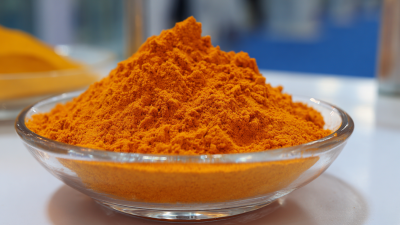
Lactoferrin is this pretty interesting protein that you find in cow’s milk and some human secretions. It’s been catching a lot of attention lately, mainly because folks are curious about its potential health perks. If you're somebody looking to boost your immune system, you’ve probably come across it. For instance,Bovine Lactoferrin has been studied quite a bit thanks to its pretty impressive properties.
Basically, research suggests it can help fight infections and keep your gut healthier. Many people who start taking Lactoferrin say they feel better overall, which is pretty encouraging. But of course, that raises some questions about how much to take and where to get it. Not all supplements are created equal, so picking a good, trustworthy source is super important if you want to actually see some benefits.
That said, not everyone ends up seeing the same results. Some folks might not notice much difference at all. So, it’s a smart move to consider your own health conditions and dietary needs before jumping in. Talking to a healthcare pro can really help you figure out what’s best for your personal situation. As awareness around it grows, Lactoferrin is definitely becoming a more common topic in health chats — it’s worth keeping an eye on!

Understanding Lactoferrin: Definition and Sources
Lactoferrinis a multifunctional protein found in various biological fluids. It plays a crucial role in the immune system. This Glycoprotein is primarily derived from milk, especially in colostrum. It is also present in saliva, tears, and mucus. Its availability in these sources makes it accessible for human consumption.
The health benefits of Lactoferrin are vast. It is known for its antimicrobial properties, helping to fight harmful bacteria and viruses. Lactoferrin binds iron, making it less available to pathogens. This action inhibits their growth and promotes a healthier gut flora. Research indicates that Lactoferrin may enhance the body's immune response. However, the effectiveness can vary based on individual health conditions.
Lactoferrin may also provide nutritional support. Some studies suggest it aids in the absorption of nutrients. Yet, not all individuals respond similarly to Lactoferrin intake. Personal factors, such as age and diet, can influence its effectiveness. It's essential to consult healthcare professionals before starting any new supplement regimen.
The Role of Lactoferrin in the Immune System
Lactoferrin plays a crucial role in the immune system. It is a natural protein found in various bodily fluids, like breast milk and saliva. This protein has unique properties that help enhance immune functions. Lactoferrin binds to iron, limiting bacteria's access to this essential nutrient. This action reduces infection risk.
In addition to its antibacterial properties, lactoferrin modulates immune responses. It helps stimulate white blood cells, improving our body’s defense mechanisms. Studies suggest that it can reduce inflammation and promote healing. Regular intake may lead to better health outcomes. Yet, some people may experience digestive discomfort. It’s essential to monitor individual responses carefully.
**Tips:** Consider incorporating lactoferrin-rich foods into your diet. Look for options like yogurt or supplements if necessary. Always consult healthcare professionals before starting new health regimens. Balancing this intake with a varied diet is crucial for overall wellness.
Health Benefits of Lactoferrin for Adults
Lactoferrin is a powerful glycoprotein that offers several health benefits, especially for adults. This natural component is found in various bodily fluids, such as saliva and tears. Its antibacterial properties can help enhance the immune response. Regular consumption may lead to improved gut health and better iron absorption. This is crucial for maintaining energy levels and overall wellbeing.
For optimal results, consider incorporating Lactoferrin Powder into your daily routine. Just one scoop can be added to smoothies or warm beverages. It’s a simple way to boost your nutrient intake. When looking for a powder, ensure it is sourced from reputable suppliers to guarantee quality.
Stay mindful of your body’s responses. While many benefit from Lactoferrin, some may experience mild side effects, like digestive upset. As with any supplement, moderation is key. Always consider your unique health needs and consult a healthcare professional if you have concerns. Remember, wellness is a journey; listening to your body is essential.
Lactoferrin for Infants: Benefits and Considerations
Lactoferrin is a powerful protein found in breast milk. It plays a crucial role in an infant's immune development. This protein has antibacterial and antiviral properties, which help protect against infections. Research indicates that lactoferrin can enhance iron absorption, promoting healthy growth in babies. However, parents should consider a few factors before supplementation.
When introducing lactoferrin, consult a pediatrician. This ensures you understand the appropriate dosage for your child. Not all infants may need extra lactoferrin, especially if they are exclusively breastfed. Monitor for any adverse reactions when using lactoferrin supplements. Allergies are possible, albeit rare.
Tips: Always prioritize breast milk when possible for immune support. If considering supplements, look for those backed by research. Balance is key; too much of anything can lead to problems. Trusting your healthcare provider's guidance is essential for your infant’s health.
How to Incorporate Lactoferrin into Your Diet
Lactoferrin is a powerful protein found in milk. It plays a crucial role in supporting health and immunity. Incorporating lactoferrin into your diet can be easy and beneficial. One excellent way to do this is through dairy products. Yogurt or cheese offers natural sources of lactoferrin. Try to choose high-quality dairy with minimal processing.
Another option is to include fortified foods. Some protein powders and dietary supplements contain lactoferrin. This can be particularly helpful for those who are lactose intolerant. Additionally, incorporating lactoferrin through foods such as eggs may also yield benefits. Ensuring a balanced intake is essential.
It's necessary to monitor how your body reacts. Not everyone may tolerate new additions to their diet equally. Listen to your body and adjust accordingly. Regular consultation with nutrition experts can provide tailored advice. Remember, a holistic approach to nutrition often yields the best outcomes for health.
Lactoferrin Benefits for Health and Immunity
Potential Side Effects and Risks of Lactoferrin
Lactoferrin, a protein found in milk, has garnered attention for its potential health benefits. However, it's crucial to understand the possible side effects and risks associated with its use. Some individuals may experience gastrointestinal discomfort, such as bloating or diarrhea. This underscores the need for caution, especially for those with sensitive digestive systems.
Additionally, allergies can arise in some people. Symptoms may include skin rashes or respiratory issues. It's vital to monitor your body's response, particularly if you are trying lactoferrin for the first time. Always consult a healthcare professional if you have concerns, especially if you're pregnant or nursing.
Long-term effects are not well studied, raising questions about prolonged use. Observational research suggests that while lactoferrin is generally safe, individual reactions can vary widely. Relying solely on supplementation without a balanced diet might not yield the best outcomes. Always reflect on your own health journey and consider a holistic approach to immunity and wellness.
Current Research and Future Directions in Lactoferrin Studies
Current research on lactoferrin reveals its significant role in human health and immunity. This iron-binding glycoprotein, found in milk and other secretions, shows promise in enhancing immune response. Studies highlight lactoferrin’s ability to modulate the immune system. It helps in reducing inflammation and fighting infections. Some researchers suggest that lactoferrin may prevent certain diseases by promoting beneficial gut bacteria.
Future research directions focus on deeper understanding. Investigations are looking into how lactoferrin affects different age groups. Researchers are also exploring its impact on chronic diseases. This includes its role in cancer prevention and treatment. While results are promising, more studies are needed. We must consider individual responses to lactoferrin. Factors like genetics and diet may influence its effectiveness. There are still questions that researchers are trying to answer. How does the bioavailability of lactoferrin vary in different sources?
Though lactoferrin shows health benefits, it's important to approach with caution. Not all studies agree on its effectiveness. Recommendations for dosage and use remain unclear. Ongoing research may change our understanding of its potential. This nuanced view encourages further exploration into its health benefits.
The Impact of Bovine Lactoferrin Powder on Immune Function: Insights from Recent Market Trends and Clinical Research
Bovine lactoferrin powder, derived from milk, has garnered significant attention in recent years for its noteworthy impact on immune function. Recent clinical studies highlight lactoferrin's role as a potent immunomodulator that enhances immune responses and exhibits antimicrobial properties. Research published in leading biomedical journals indicates that lactoferrin can effectively stimulate the activity of various immune cells, including macrophages and lymphocytes, thereby supporting overall respiratory and gut health.
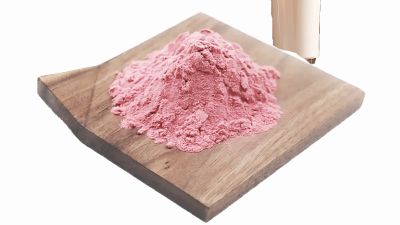
The market for lactoferrin is thriving, with compound annual growth rates projected at 6.3% from 2021 to 2028, driven by increasing consumer awareness of its health benefits. Data from industry reports suggest that the use of lactoferrin as a dietary supplement is particularly popular among health-conscious individuals seeking natural ways to boost their immune defenses. The light red powder, characterized by a high protein content of 98% and notable iron saturation of 15%, serves various applications, from nutraceuticals to functional foods.
To maintain its efficacy, proper storage of bovine lactoferrin is essential. It should be kept in a cool, dry place, away from light. Packaged conveniently in 25kg drums, lactoferrin meets high-quality standards with certifications such as cGMP, ISO22000, and Halal, ensuring that consumers receive a safe and effective product. With shipping speeds of just 3-5 days, the availability of lactoferrin powder caters to the increasing demand for natural immune support solutions in today’s health-oriented market.
FAQS
: Lactoferrin is a natural protein present in bodily fluids like breast milk and saliva.
It binds to iron, limiting bacterial growth and helping to reduce infection risks.
Yes, lactoferrin can modulate immune responses, potentially reducing inflammation and promoting healing.
Lactoferrin supports immune development and has antibacterial properties, protecting infants from infections.
Consult a pediatrician before introducing supplements to ensure proper dosage and need.
Some people may experience digestive discomfort, and allergies, though rare, are possible.
Consider foods rich in lactoferrin, like yogurt, or use supplements as advised by healthcare professionals.
Yes, breast milk is the ideal source for immune support in babies.
Observe for any adverse reactions, especially if your child has sensitivities.
Yes, balance is crucial; overconsumption can lead to health issues.
Conclusion
Lactoferrin is a multifunctional glycoprotein found in various bodily fluids, particularly in milk, and offers significant health benefits. It plays a crucial role in the immune system by binding iron and displaying antimicrobial properties, thereby enhancing the body's defense mechanisms. Adults can benefit from lactoferrin through its potential anti-inflammatory and antioxidant effects, while infants may experience improved gut health and immune support.
Incorporating lactoferrin into the diet can be achieved through dairy products or specialized supplements. However, it's important to consider potential side effects and consult with healthcare professionals if necessary. Current research continues to explore the extensive benefits of lactoferrin, aiming to deepen our understanding of its applications in health and immunity.